
Autism vs ADHD
Distinguishing ADHD from Autism Spectrum Disorder

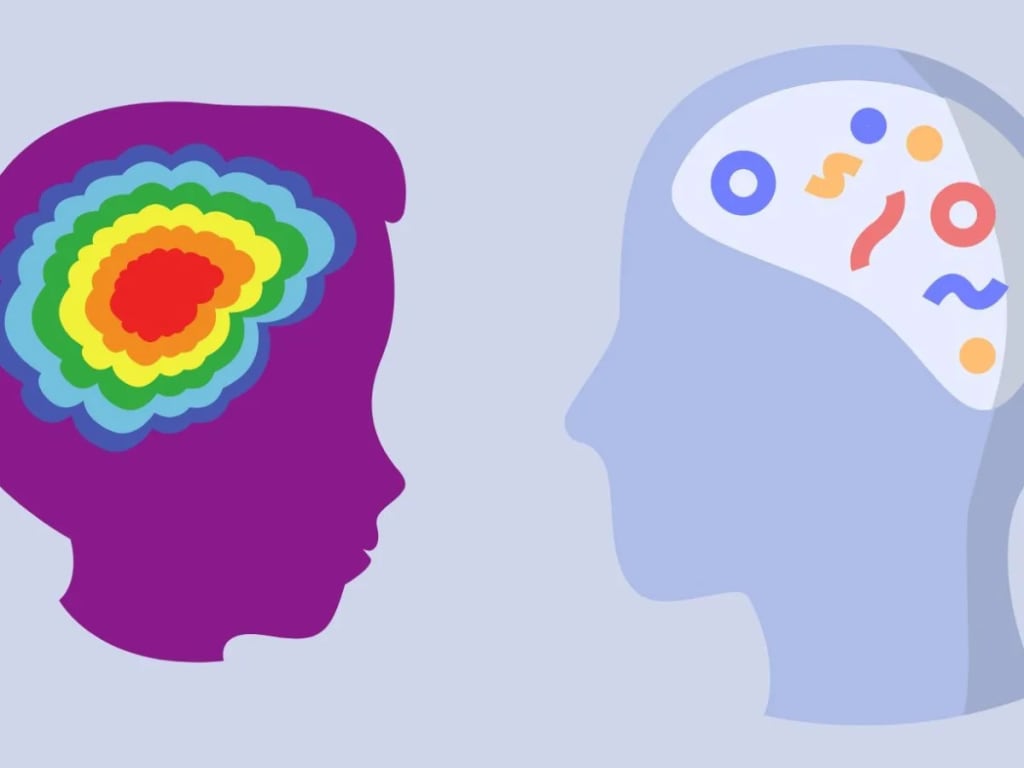
Understanding the differences and similarities between Autism Spectrum Disorder (ASD) and Attention Deficit Hyperactivity Disorder (ADHD) is crucial for proper diagnosis and effective support. Both conditions are neurodevelopmental disorders that can significantly impact daily life, yet they manifest in distinct ways and involve different challenges. Here’s a closer look at how these two conditions overlap and diverge.
Similarities Between ADHD and Autism
Both ADHD and autism are neurodevelopmental disorders, meaning they involve atypical brain development that affects behavior and cognitive functioning. Individuals with either condition may face challenges in regulating their behavior and emotions, leading to difficulties in social interactions. Misdiagnosis is common, as symptoms can overlap, and many individuals may experience both ADHD and autism simultaneously. This overlap can lead to misunderstandings, with individuals often facing unfair stereotypes and judgments about their behavior.
Social difficulties are a common challenge for both conditions. Individuals with ADHD might struggle with social norms due to their impulsivity and inattentiveness, while those with autism may find social interactions confusing due to difficulties understanding social cues. Both groups may be misunderstood and labeled as "lazy" or "weird," despite their efforts to navigate social expectations.
Key Differences Between ADHD and Autism
1. Core Characteristics
ADHD is primarily characterized by issues with attention regulation, hyperactivity, and impulsivity. It is associated with low levels of dopamine, a neurotransmitter that affects attention and reward systems. This results in difficulties with maintaining focus, controlling impulses, and staying organized.
In contrast, autism encompasses a broader range of characteristics. It involves challenges in communication, social interaction, and behavior. Autism can include both underregulation and overregulation of attention and sensory experiences. Individuals with autism might experience heightened sensitivity to sensory inputs or engage in repetitive behaviors.
2. Attention Regulation
For individuals with ADHD, attention regulation is marked by underregulation. They may have difficulty sustaining focus on tasks and are easily distracted by external stimuli. This can lead to challenges in completing tasks and following through on responsibilities.
Autism, on the other hand, can involve overregulation of attention. Individuals may exhibit hyperfocus on specific interests or routines, finding it challenging to shift their attention to other tasks. This overregulation can also manifest as an intense focus on details, sometimes to the exclusion of broader perspectives.
3. Behavioral Patterns
ADHD is characterized by impulsivity and a need for constant stimulation. Individuals might struggle with waiting their turn, interrupting others, or shifting attention between tasks. The constant need for engagement and the tendency to become easily bored are hallmarks of ADHD.
Autistic individuals may display repetitive behaviors, such as hand-flapping or rocking, and have strong preferences for routines and predictability. Their responses to sensory inputs can vary widely, from heightened sensitivity to sensory overload to seeking out specific sensory experiences.
4. Social Understanding
In ADHD, social difficulties often stem from impulsivity and a need for stimulation. Individuals may interrupt conversations, have difficulty following social rules, or struggle to maintain interest in less stimulating interactions. Despite understanding social norms, the challenge lies in regulating behavior to meet these expectations.
Autism involves a different set of social challenges. Individuals may have difficulty interpreting social cues, understanding the nuances of communication, or responding appropriately in social situations. This can lead to misunderstandings and social isolation, as the behaviors may not align with typical social expectations.
Personal Insights and Anecdotes
Drawing from personal experiences, individuals with ADHD often describe a constant battle with attention regulation. Tasks that are not immediately stimulating can feel nearly impossible to focus on, while highly stimulating activities can lead to hyperfocus and difficulty shifting attention. For those with autism, there might be a significant amount of energy required to initiate tasks or transition between activities. Once engaged, maintaining focus can be easier, but the starting inertia can be considerable.
For example, an individual with ADHD might struggle to sit through a lengthy meeting because the lack of stimulation makes it difficult to stay engaged. Conversely, someone with autism might find the same meeting manageable if they have a clear structure and understanding of the expectations, but they might feel overwhelmed if the meeting deviates from the expected routine.
Practical Implications
Proper diagnosis and treatment are crucial for both ADHD and autism. ADHD treatment often involves stimulant medications that help regulate dopamine levels and improve attention. Behavioral therapies and strategies can also be beneficial in managing symptoms.
For autism, interventions might include therapies that focus on communication skills, social understanding, and coping strategies. Visual schedules and routine-based approaches can help manage daily tasks and reduce anxiety associated with unpredictability.
Support strategies should be tailored to the individual’s unique needs. For ADHD, creating stimulating environments and incorporating varied tasks can help maintain engagement. For autism, providing clear structures and allowing for special interests can aid in managing daily challenges.
Conclusion
Understanding the distinctions between ADHD and autism is essential for providing effective support and reducing stigma. While both conditions share similarities, such as difficulties in social interactions and behavioral regulation, they also have distinct characteristics that affect how individuals experience and manage their daily lives. By recognizing these differences and similarities, we can better support those with ADHD and autism and create more inclusive environments.
About the Creator
Horace Wasland
Research analyst, writer & mystical healer. Exploring the edge where science meets mystery. From mystery/the mystical, to facts, news & psychology. Follow for weekly insights on all four and please leave a tip if you like what you read :)
Keep reading
More stories from Horace Wasland and writers in Psyche and other communities.
Group Therapy Explained
Group therapy is a powerful tool in the field of psychology, offering unique benefits that individual therapy might not provide. By understanding the different types of groups and their dynamics, you can appreciate how peer support contributes to psychological growth.
By Horace Waslandabout a year ago in Psyche
No, There's Nothing Wrong with the MCU
We have spent the last few years seeing some strange comments about the MCU by various filmmakers and actors, including people like the great Martin Scorsese. These comments allude to the idea that the world of film should not take Marvel so seriously as cinema, but rather the films should be thought of more as theme park rides. I believe that not only is this incorrect, but it is also damaging to the film landscape. If these MCU films are to be put on the back-burner when it comes to cinema, we run into a whole host of problems...
By Annie Kapur3 days ago in Psyche



Comments (1)
Thanks for the great analysis.