
Autism - An Intricate Puzzle of Traits That Persist Throughout Life
No, it is not a disease that needs a cure.

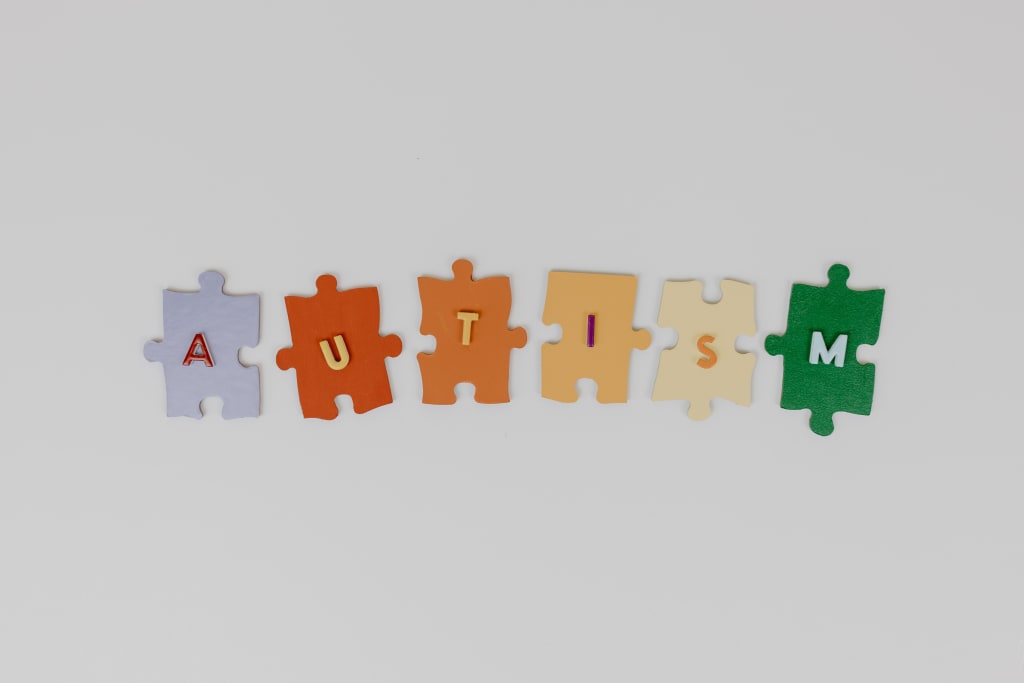
In my recent posts about neurodiversity, I mentioned autism. Autism Spectrum Disorder (ASD) is a neurodevelopmental disorder that carries a negative connotation, though many of the typical traits are significantly overlooked. Autistic people may have deficits in social communication and interaction, restricted and repetitive patterns of behaviour or interests, and sensory issues.
The genetic factor
Autism tends to run in families, and mine is no exception. I clearly see autistic traits in some of my relatives, even though they are undiagnosed. Getting a proper diagnosis is not critical as long as one realises that they potentially are autistic and takes care to make the needed accommodations or asks for them at school, work and around friends. I only found out about it in my late 20s, and I was attributing my struggles at school as simply being inferior to my peers in some regards.
Repetition
Autistic people tend to do repetitive behaviours to soothe themselves, particularly in stressful situations. Some common actions include rocking back and forth or hand flapping. I have not experienced either of these, though, I have noticed that I play with my fingers, i.e., pull them in unusual ways or touch my hair repetitively. None of these behaviours is inherently wrong, and it is a real pity that the neurotypical world often rejects completely harmless actions.

Hyperfocusing
Other common autistic traits include lining things up perfectly or talking incessantly about a favourite subject. The ability to focus and research everything possible about a specific topic is valuable in education and a professional environment. Therefore, autistic people are suitable for tasks that require specific knowledge, an eye for detail and reliability. Some companies have realised the worth of these traits and particularly look for employees on the autism spectrum.
Autistic people can be meticulous about analysing people, how they act, body language, intonation and word choice. Although they cannot always act accordingly, over time, masking improves, and it appears as if autism has been outgrown.
Eye contact often remains a struggle, though it is somewhat surprising that its importance is highly valued (an autistic person writing).

Sensory issues
Sensory issues are among the biggest struggles that autistic people experience. Hyper- or hyposensitivity is stressful and straining. Lights may appear blindingly bright, flickering and flashing signs and displays can be literally painful, sounds can be so loud or coming from so many directions that they just become a wall of noise. Touch and textures are a common source of discomfort, as well.
Whether one sees autistic traits as negative or simply as differences that can be beneficial in certain circumstances is what defines how integrated autistic are in society. While co-existing conditions may make the individual incapable of taking care of themselves, in many cases we can function normally, set goals, fulfil our dreams and have a family. Acceptance is the key to making us feel part of society.
To wrap up
Autism can affect people in different ways, but one common trait among autistic people is that they often have strict routines. They may be extremely sensitive to change and find it difficult to cope when their routine is disrupted. Still, there are autistic people who are not significantly disturbed by inflexibility, and even need it in order to thrive. In many cases, this occurs due to ADHD comorbidity (attention-deficit hyperactivity disorder). Many autistic people have intense special interests. They do not necessarily involve trains, as commonly believed. Autism spectrum disorder may be associated with difficulties processing sensory information. For example, someone with autism might be hypersensitive to sound or touch, making everyday experiences like a crowded mall or loud restaurant overwhelming and stressful. In the end, autistic people are still humans with their own wishes and needs. Autism is not a death sentence, and it should not be treated as a curse.
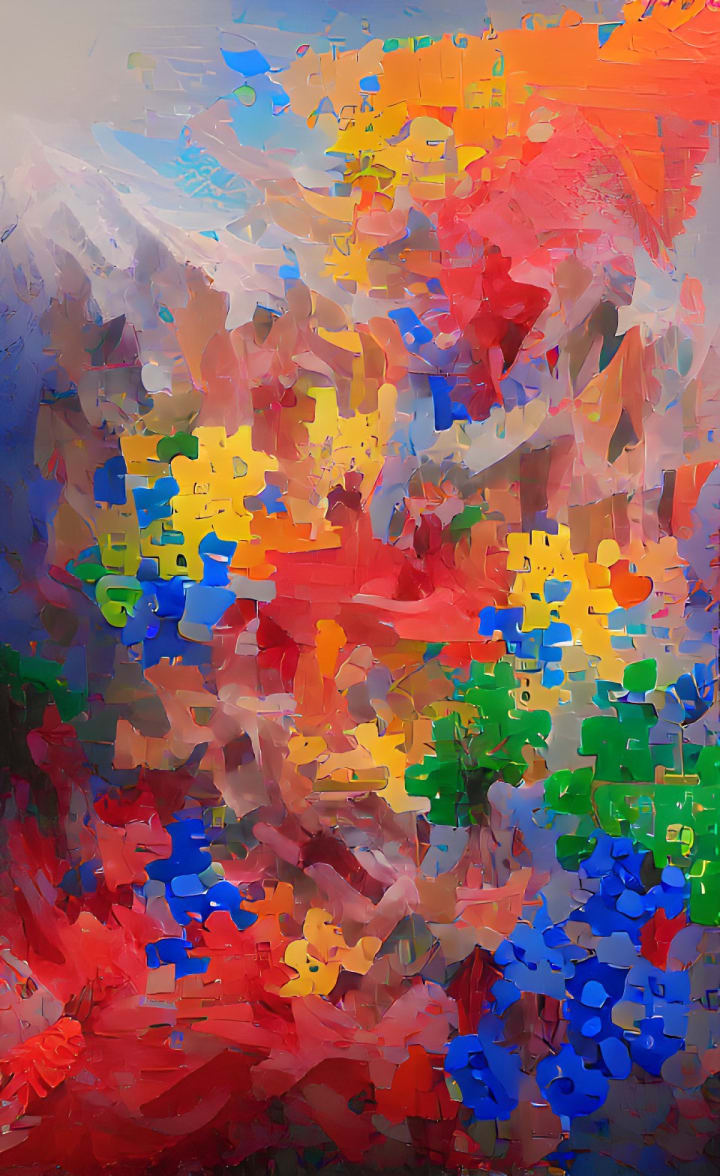
"Autism" - an abstract digital artwork that I generated using the AI in the Wombo Dream app.
The photos and the story are posted on my other social platforms, too.
https://linktr.ee/neurodivergent_ai
About the Creator
Neurodivergent_ai
I combine my passion for technology, science and art, twisting them all through the lens of my neurodivergence. My aim is to raise awareness about various conditions and invisible disability surrounded by stigma, rejection and disbelief.
Keep reading
More stories from Neurodivergent_ai and writers in Psyche and other communities.
Why Do Neurodivergent People Have Quirky Special Interests?
Most people have one or two special interests that they focus on intensely. Maybe it’s stamp collecting, bird watching, or spending hours tinkering with cars. For neurodivergent people such as those having autism or ADHD, special interests often take centre stage in their lives. Special interests can provide a sense of focus and calm for us, neurodivergent individuals. They can also be a source of enjoyment, pride, and accomplishment. When nurtured, special interests can blossom into rewarding hobbies or even prospering careers.
By Neurodivergent_ai4 years ago in Psyche
When Saying “No” Feels Strange
He did not plan to smoke that day. He was standing outside his school gate, bag on his back, waiting for the van. A boy from his class took out a vape. Another smiled and asked him to try. He refused at first. Everyone laughed, not loudly, not cruelly just enough to make him feel small.
By Muhammad Ayaan about 4 hours ago in Psyche



Comments
There are no comments for this story
Be the first to respond and start the conversation.