
ADHD and Mental Health: Understanding the Connection
Linking Symptoms to Wellness

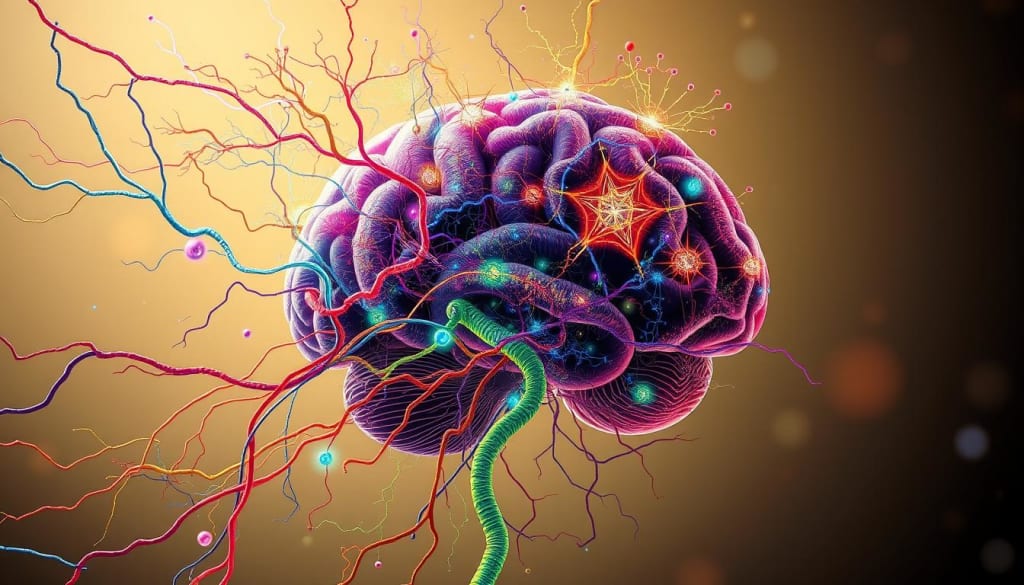
ADHD, or Attention Deficit Hyperactivity Disorder, affects about 5% of adults worldwide. It's known for symptoms like inattention and impulsivity. But, many people with ADHD also face mental health challenges.
Studies show that 80% of adults with ADHD also have another mental health issue. These can include depression, anxiety, substance use disorders, and personality disorders.
The relationship between ADHD and mental health is complex. When ADHD and a mental illness are together, it's harder to diagnose and treat. It's important to understand this connection to help those affected.
Key Takeaways:
- ADHD affects approximately 5% of adults globally, and 80% of adults with ADHD also have a psychiatric comorbidity.
-Common comorbidities for adults with ADHD include depression, anxiety disorders, substance use disorders, and personality disorders.
-When ADHD is comorbid with a mental illness, it can be challenging to diagnose and treat effectively.
-Understanding the strong connection between ADHD and mental health is crucial for developing comprehensive support strategies.
-Addressing both the ADHD symptoms and the co-occurring mental health issues is essential for improving overall well-being.
Introduction: ADHD Beyond Mental Health
Attention Deficit Hyperactivity Disorder (ADHD) is often seen as just a mental health issue. But, it's really a neurodevelopmental condition. This means it's about how the brain grows and works, not just mental health. People with ADHD have special traits like creativity, unconventional thinking, and high energy. These are key parts of their brain's makeup.
ADHD as a Neurodevelopmental Condition
The DSM-5 sets clear rules for diagnosing ADHD. For kids, it's six or more symptoms in certain areas. For adults, it's five symptoms. The DSM-5 also changed when symptoms can start, from before age 7 to before age 12.
Studies show ADHD can start at different times. It can start in preschool, middle childhood, or even later in life. This shows we need to treat each person differently, based on their age and needs.
Unique Traits Associated with ADHD
ADHD comes with its own set of strengths. People with ADHD often show creativity, unconventional thinking, and high energy. These traits are part of their brain's differences and can be very helpful.
ADHD is a lifelong condition. Some symptoms may fade, but the brain's differences stay. By seeing ADHD as a neurodevelopmental condition, we can help people manage their symptoms. We can also help them grow their strengths and celebrate their unique qualities.
Comorbidity of ADHD and Mental Health Issues
ADHD is a complex condition that often goes hand in hand with mental health problems. If ADHD is not treated, it can lead to issues like anxiety or depression. But, treating ADHD can help improve or even fix these problems.
ADHD can also be linked to primary mental health conditions. Sometimes, these conditions are mistaken for ADHD because ADHD is so common.
Click here to learn more about brain health!

Common Co-occurring Conditions
Some common mental health issues that can happen with ADHD include:
-Depression
-Generalized anxiety
-Social anxiety
-OCD-like behaviors
ADHD can also make people more likely to experience trauma. This can lead to PTSD and other trauma-related disorders. In some families, ADHD can even pass down trauma through generations.
Secondary Mental Health Issues
Adults with ADHD often face a high risk of other mental health problems. Up to 80% of them may have another mental health disorder. The most common issues are substance use disorders, mood disorders, anxiety disorders, and personality disorders.
Comorbid Condition Prevalence in Adult ADHD
-Anxiety disorders 47.1%
-Mood disorders 38.3%
-Substance use disorders 15.2%
The relationship between ADHD and mental health issues is complex. It highlights the need for thorough assessments and comprehensive treatments. This approach helps meet the unique needs of those with ADHD and mental health conditions.
Symptoms of ADHD in Children and Adults
ADHD symptoms fall into two main types: inattention and hyperactivity-impulsivity. These symptoms show up differently in kids and adults. Kids with ADHD might act out more in class, like fidgeting or talking too much. Adults, on the other hand, might struggle more with staying focused and organized.
Increased Risk of Mental Health Problems
ADHD can lead to other mental health issues if not treated. These include anxiety, depression, sleep problems, conduct disorder, and substance abuse. The National Center for Biotechnology Information (NCBI) found that 80% of adults with ADHD also have another mental health disorder.
The American Psychiatric Association says 2.5% of US adults have ADHD. The Centers for Disease Control and Prevention (CDC) found that 27.3% of Americans aged 18 and over have anxiety disorders. The National Institute of Mental Health (NIMH) reported that 8.4% of U.S. adults had a major depressive episode in 2020.
People with ADHD face big challenges in managing their attention, impulses, and emotions. Knowing how ADHD and mental health are linked helps us support them better. We can offer more complete care by understanding this connection.
Causes and Risk Factors
The exact causes of ADHD are still a mystery. But, it's thought that genetics and brain chemistry are key players. Some people, like those born early or with low birth weights, might be more likely to get ADHD. Others with conditions like epilepsy or brain damage could also be at risk.
Research shows that boys and men are more likely to get ADHD than girls and women. Girls with the inattentive type of ADHD might not get diagnosed as quickly. This can make their symptoms show up later.
Things like mom smoking or drinking during pregnancy can raise ADHD risk in kids. Also, old paint and pipes with lead can cause kids to have trouble focusing and act out.
Risk Factor
Description
Genetics
ADHD tends to run in families, with strong evidence suggesting a significant genetic component.
Brain Injury
Brain damage in utero or during the early years of life, as well as impaired hearing, have been linked to ADHD.
Premature Birth
Preterm birth (before 37 weeks of gestation) and low birth weight are risk factors for ADHD.
Prenatal Exposures
Exposure to substances like alcohol, nicotine, and certain pesticides during pregnancy can increase the risk of ADHD.
Environmental Toxins
In very rare cases, exposure to environmental toxins may contribute to the development of ADHD.
While these factors might up the risk for ADHD, the condition is complex. Scientists are still trying to figure out what causes it. More research and awareness are helping us understand and manage ADHD better.
Diagnosis and Treatment Approaches
If you or your child might have Attention Deficit Hyperactivity Disorder (ADHD), start by talking to your doctor. They can't officially say you have ADHD, but they can listen to your concerns. If needed, they might send you for a specialist check-up.
Getting an ADHD Diagnosis
If there's a long wait for ADHD tests, you might choose to see Psychiatry UK. This online service connects you with more specialists. It could make getting diagnosed faster and more thorough.
Medication and Therapy Options
ADHD treatment usually mixes medicine and therapy. The most common medicine is stimulants like methylphenidate or amphetamines. Doctors might try different medicines and amounts to find the best fit for you.
Therapy for ADHD includes things like psychoeducation, behavior therapy, and Cognitive Behavioral Therapy (CBT). These help people with ADHD control their symptoms better. They also improve daily life functioning.
Click here to learn more about brain health!
FAQ
-What is the connection between ADHD and mental health?
ADHD affects about 5% of adults worldwide. Many with ADHD also have mental health issues. Around 80% of adults with ADHD have had a psychiatric problem at some point.
Common issues include depression, anxiety, substance use, and personality disorders.
-Is ADHD strictly a mental health issue?
No, ADHD is mainly a neurodevelopmental disorder. It's not just a mental health problem. People with ADHD often have positive traits like creativity and high energy.
The NHS in the UK sees ADHD as a 'neuro-behavioural' condition. It's treated as a neuro-developmental issue affecting behavior.
-How can ADHD lead to mental health issues?
Untreated ADHD can cause mental health problems like anxiety or depression. Treating ADHD can help or solve these issues. ADHD can also happen with primary mental health conditions.
This can lead to misdiagnosis. Common issues include depression, anxiety, social anxiety, and OCD-like behaviors. ADHD can also make people more vulnerable to trauma.
-What are the symptoms of ADHD?
ADHD symptoms include inattentiveness and hyperactivity/impulsiveness. Symptoms can differ in children and adults. Children might be more disruptive, while adults are less hyperactive.
-What are the causes and risk factors for ADHD?
The exact causes of ADHD are still unknown. But genetics and brain chemistry are thought to play a role. Some people, like those born prematurely or with brain damage, might be more at risk.
-How can I get an ADHD diagnosis and treatment?
If you think you or your child might have ADHD, talk to your GP. They can't diagnose but can discuss your concerns. They might refer you for a specialist assessment.
In areas with long waits, you can use your right to choose for online assessment through Psychiatry UK. ADHD treatment includes medication and various therapies like psychoeducation and Cognitive Behavioral Therapy (CBT).
Click here to learn more about brain health!
Source Links
Mental Health in Adults With ADHD: Examining the Relationship With Cardiorespiratory Fitness - https://www.ncbi.nlm.nih.gov/pmc/articles/PMC10173354/
What is ADHD? - https://www.psychiatry.org/patients-families/adhd/what-is-adhd
Attention-deficit hyperactivity disorder - PMC - https://www.ncbi.nlm.nih.gov/pmc/articles/PMC7880081/
Beyond ADHD: Managing Co-Occurring Disorders - Haven Detox Little Rock - https://arkansasrecovery.com/mental-health-treatment/beyond-adhd-managing-co-occurring-disorders/
Psychiatric Comorbidities in Adult Attention-deficit/Hyperactivity Disorder: Prevalence and Patterns in the Routine Clinical Setting - https://www.ncbi.nlm.nih.gov/pmc/articles/PMC7009330/
The prevalence of psychiatric comorbidities in adult ADHD compared with non-ADHD populations: A systematic literature review - https://www.ncbi.nlm.nih.gov/pmc/articles/PMC9635752/
Understanding the Connection: ADHD & Co-Occurring Issues - https://www.eleanorhealth.com/blog/adhd-and-cooccurring-issues
Is ADHD Linked to Other Mental Health Conditions? - https://www.news-medical.net/health/Is-ADHD-Linked-to-Other-Mental-Health-Conditions.aspx
Attention-Deficit/Hyperactivity Disorder - https://www.nimh.nih.gov/health/topics/attention-deficit-hyperactivity-disorder-adhd
ADHD Causes and Risk factors - https://www.news-medical.net/health/ADHD-Causes-and-Risk-factors.aspx
Causes of and Risk Factors for ADHD - https://www.healthline.com/health/adhd/causes
Causes of ADHD: What We Know Today - https://www.healthychildren.org/English/health-issues/conditions/adhd/Pages/Causes-of-ADHD.aspx
Treatment of ADHD - https://www.cdc.gov/adhd/treatment/index.html
Attention-Deficit/Hyperactivity Disorder: What You Need to Know - https://www.nimh.nih.gov/health/publications/attention-deficit-hyperactivity-disorder-what-you-need-to-know
Disclaimer:
This article was created with the assistance of AI for drafting and research purposes, and has been reviewed and edited for accuracy and originality.
About the Creator
Health&Hustle
🏋️♂️Achieve optimal health and financial💰 freedom. Explore tips, insights, and strategies to help you thrive in both body and wallet💪💡
https://linktr.ee/hustlexdiscipline
Keep reading
More stories from Health&Hustle and writers in Psyche and other communities.
Cayenne Pepper and Water: Health Benefits & Uses
As we explore natural remedies and wellness trends, cayenne pepper stands out. This vibrant, spicy ingredient changes both food and medicine. We'll dive into its origins, composition, and health benefits in this guide.
By Health&Hustleabout a year ago in Feast
Who is your "Person"?
It's important to recognize that you cannot go through life as easily on your own. My name is Elizabeth and I'm a survivor of child abuse and horrific trauma. Healing from trauma is not a quick fix and recognizing that it will take time, is part of the struggle.
By Elizabeth Woods2 days ago in Psyche



Comments
There are no comments for this story
Be the first to respond and start the conversation.