
What is the Basic Structure of a Roof?
What is the Basic Structure of a Roof?
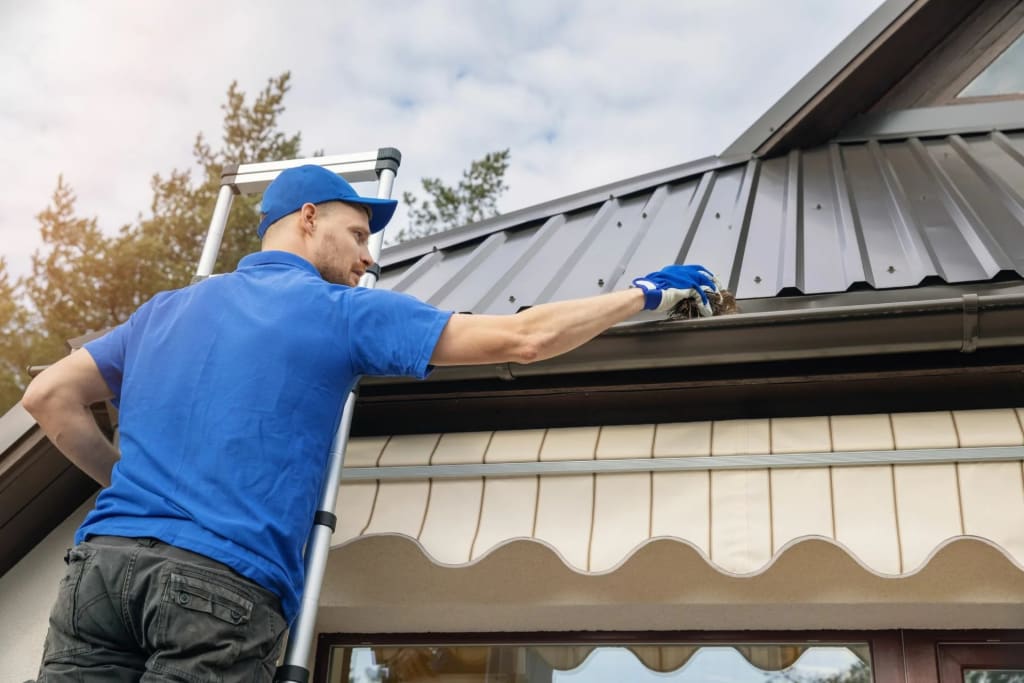
The roof is one of the most essential parts of a building, providing protection from weather and environmental elements. While roofs come in various shapes and styles, the basic structure remains relatively consistent. Understanding this structure can help homeowners and builders alike make informed decisions about maintenance and construction. Let's break down the essential components of a Roofing Installation & Repair Services In Dallas:
1. Roof Trusses or Rafters
The foundation of a roof begins with its framework. This skeleton is usually made up of trusses (pre-engineered structures) or rafters (beams cut and installed on-site). Both provide support for the roof’s weight and help distribute the load evenly across the walls of the building.
Trusses: Factory-made, engineered to provide precise support.
Rafters: Cut on-site, offering flexibility in design for unique roof shapes.
2. Decking or Sheathing
Decking (also known as sheathing) is placed over the rafters or trusses. It's usually made of plywood or oriented strand board (OSB). The sheathing provides a solid surface for roofing materials and acts as a stabilizing layer.
3. Underlayment
Underlayment is a water-resistant or waterproof barrier placed directly on top of the decking. It serves as the first line of defense against water penetration and is typically made from felt or synthetic materials. This layer helps prevent moisture from seeping into the structure.
4. Roofing Material
The outermost layer is the roofing material, which could be made from a variety of materials such as asphalt shingles, metal panels, tiles, or slate. This layer provides the primary protection against weather elements like rain, snow, and wind.
5. Flashing
Flashing consists of thin metal strips placed around roof features like chimneys, vents, and skylights. Its purpose is to prevent water from entering at these vulnerable points by directing it away from the roof.
6. Gutters and Drainage
Although not part of the roof itself, gutters and downspouts play a crucial role in maintaining its integrity. They help direct water away from the roof and the foundation, preventing potential water damage.
7. Vents
Vents are added to allow airflow in the attic space, which helps regulate temperature and moisture levels. Proper ventilation reduces the risk of mold growth, prolongs the life of roofing materials, and improves energy efficiency.
Conclusion
The basic structure of a Roofing Company In Frisco is more than just a protective covering. It's a well-engineered system designed to withstand the elements and keep the building safe. Understanding these components ensures proper maintenance, repair, and selection of materials when building or replacing a roof.
Frequently Asked Question(FAQs)
What are the main parts of a roof?
The main parts include roof trusses or rafters (the framework), decking or sheathing (a solid surface), underlayment (a water-resistant layer), roofing material (such as shingles or metal), flashing (to protect vulnerable areas), and vents (for airflow).
What is the purpose of roof trusses or rafters?
Roof trusses and rafters provide the structural framework for the roof. They distribute the weight of the roof evenly across the walls, ensuring stability.
Why is underlayment necessary?
Underlayment acts as an additional water-resistant barrier between the decking and roofing material. It helps protect against leaks and water infiltration, especially during storms.
What is flashing, and why is it important?
Flashing is made of thin metal and is installed around roof features like chimneys, vents, and skylights to prevent water from entering at these points. It’s essential for protecting vulnerable areas from leaks.
What materials are commonly used for roofing?
Common roofing materials include asphalt shingles, metal panels, tiles, slate, and wood shakes. Each material offers different levels of durability, cost, and appearance.
How does proper ventilation affect the roof?
Proper roof ventilation helps regulate temperature and moisture levels in the attic. This prolongs the life of roofing materials, prevents mold, and improves energy efficiency.
Why are gutters important for roof structure?
Gutters help channel rainwater away from the roof and foundation, reducing the risk of water damage. Proper drainage is crucial to maintaining the roof’s integrity.
What’s the difference between trusses and rafters?
Trusses are pre-engineered and typically used for faster construction, offering precise support. Rafters are beams cut and installed on-site, providing more flexibility for custom roof designs.
How often should I inspect my roof?
It's recommended to inspect your roof at least twice a year (spring and fall) and after major storms to identify any potential issues, such as missing shingles or water damage.
About the Creator
Keep reading
More stories from surgecelectric and writers in Proof and other communities.
How Are Chimneys Installed in a Kitchen?
Installing a chimney in a kitchen is a critical step in ensuring proper ventilation and maintaining a clean, comfortable cooking environment. Whether you're remodeling your kitchen or adding a new chimney, understanding the installation process can help you achieve optimal results. Here’s a comprehensive guide to the installation of kitchen chimneys.
By surgecelectric2 years ago in Education
The Bottle I Was Afraid to Open
I am not a whiskey person. In fact, I’m barely an alcohol person at all. I might have a drink once or twice a year—usually at a wedding, a holiday dinner, or when someone insists I “at least try it.” Even then, I’m the person who nurses the same glass for an hour while everyone else orders a second round.
By Jhon smith6 days ago in Proof
At Will
Section 1 Pollen and the bright sun anesthetized color - muting almost every color to its equivalent shade in pastels. James stood by the window of his apartment at Bayside Village, adjusting his tie and checking the time - it was 8:30 AM. On his phone, a message from the Recruiting Agency, Eastridge. Cassie assured him that the partners at Sidley Austin, a corporate law firm, had asked for him by name - which never happened so he should be excited. It was a request that had never occurred in his ten years as a paralegal, a sudden, specific gravity pulling him into their orbit.
By James L. Royer5 days ago in Proof



Comments (1)
I really love your content and how it's crafted , I love it and happily subscribed , you can check out my content and subscribe to me also , thanks for this beautiful one