
How Are Chimneys Installed in a Kitchen?
How Are Chimneys Installed in a Kitchen?
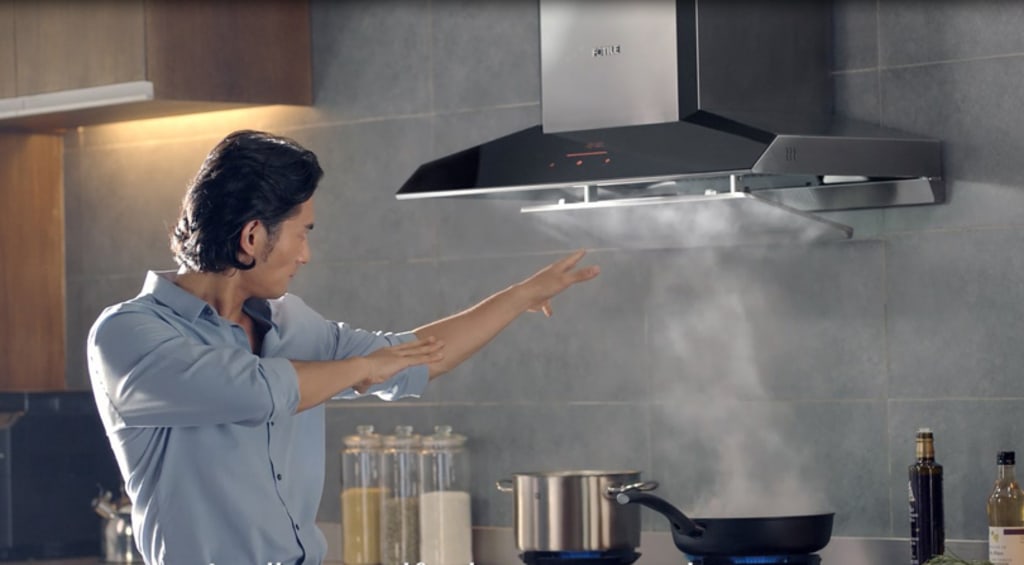
Installing a chimney in a kitchen is a critical step in ensuring proper ventilation and maintaining a clean, comfortable cooking environment. Whether you're remodeling your kitchen or adding a new chimney, understanding the installation process can help you achieve optimal results. Here’s a comprehensive guide to the installation of kitchen chimneys.
1. Choosing the Right Chimney
Before installation begins, selecting the right chimney for your kitchen is essential. Chimneys come in various styles, including wall-mounted, island, and built-in models. Consider the size of your kitchen, the type of cooking you do, and your aesthetic preferences when choosing a chimney. Additionally, ensure the chimney has adequate suction power (measured in cubic meters per hour, or CFM) to handle the volume of smoke and grease generated by your cooking.
2. Preparing for Installation
Once you have your chimney, preparation is key. Here’s what you need to do:
Measure the Space: Measure the area where you plan to install the chimney. The chimney should be installed directly above the cooking surface to capture smoke and fumes effectively. Typically, the chimney should be installed 24-30 inches above the cooktop.
Check Ventilation Options: Decide whether the chimney will be ducted or ductless. Ducted chimneys expel air outside through a duct, while ductless chimneys filter and recirculate air within the kitchen. Ensure your kitchen has the necessary provisions for ductwork if opting for a ducted model.
3. Installation Steps
Ducted Chimneys
Mark the Installation Area: Mark the position where the chimney will be mounted on the wall. Ensure it aligns with the cooktop below.
Install the Wall Mount: Secure the wall bracket or mount to the wall using appropriate anchors and screws. Ensure it is level and firmly attached.
Prepare the Duct: Install the ducting that will carry the exhaust air outside. This may involve cutting a hole through the wall or ceiling. Attach the ducting to the chimney according to the manufacturer’s instructions.
Mount the Chimney: Secure the chimney to the wall mount or bracket. Ensure it is stable and aligned properly.
Connect the Duct: Attach the ducting to the chimney’s exhaust outlet. Seal any joints with duct tape or sealant to prevent leaks.
Test the Chimney: Turn on the chimney and check for proper operation. Ensure there are no leaks and that the suction power is effective.
Ductless Chimneys
Mark the Installation Area: As with ducted chimneys, mark the position where the chimney will be mounted.
Install the Wall Mount: Secure the wall bracket or mount to the wall.
Mount the Chimney: Attach the chimney to the wall mount or bracket.
Install Filters: Ductless chimneys use filters to trap grease and odors. Install these filters according to the manufacturer’s instructions.
Test the Chimney: Ensure the chimney is functioning properly and that the filters are in place.
4. Final Touches
After installation, ensure that all electrical connections are safe and that the chimney is properly cleaned and maintained. Regularly clean the filters and check the ducting for any blockages or leaks to keep the chimney operating efficiently.
Conclusion
United Roofing & Chimney Company in Shirley NY Installing a chimney in your kitchen enhances ventilation, making cooking more enjoyable and reducing grease buildup. By carefully selecting the right model, preparing adequately, and following the installation steps, you can ensure that your kitchen remains fresh and free from unwanted smoke and odors. Whether you opt for a ducted or ductless chimney, proper installation and maintenance are key to a functional and efficient kitchen environment.
About the Creator
Keep reading
More stories from surgecelectric and writers in Education and other communities.
Does a Garage Need Two Doors?
When designing or renovating a garage, one question that often arises is whether a garage needs one door or two. The decision largely depends on your specific needs, the size of your garage, and how you use the space. Here’s a detailed look at the factors to consider when deciding if a garage should have one or two doors Garage Door Repair.
By surgecelectricabout a year ago in Lifehack


Comments (1)
Nice sharing