
Vipassana Insight Practice: A Path to Clear Awareness


Vipassana, often called insight meditation, is a practice that helps you see things clearly as they truly are. It invites you to observe your experience with gentle attention and openness. This practice is about noticing the flow of sensations, thoughts, and feelings without judgment or reaction.
Understanding Vipassana
Vipassana means “to see deeply” or “to gain insight.” It is one of the oldest forms of meditation, rooted in the teachings of the Buddha. The aim is to develop clear awareness of the present moment and to understand the impermanent, unsatisfactory, and selfless nature of all phenomena. Through this, you cultivate wisdom and inner freedom.
Preparing for Practice
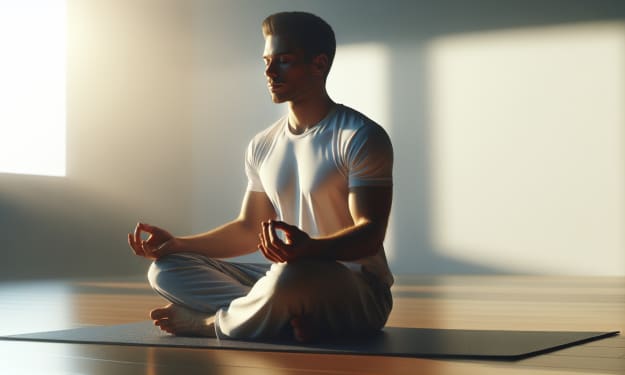
Find a quiet place where you can sit comfortably and without disturbance. You can sit on a cushion, a chair, or even lie down if sitting is difficult. Keep your back straight but relaxed. Let your hands rest gently in your lap or on your knees.
A Simple Vipassana Practice
1) Close your eyes softly and bring your attention to your natural breath. Notice the flow of air as it enters and leaves your nostrils or the rising and falling of your abdomen.
2) Observe your breathing without trying to change it. Let it be as it is.
3) After a few moments, expand your awareness to sensations in the body. Notice any warmth, tingling, pressure, or discomfort. Simply observe these sensations without reacting or labeling them.
4) When thoughts or emotions arise, recognize them gently and let them pass like clouds moving across the sky. Return your attention to bodily sensations or the breath.
5) If your mind wanders, kindly bring it back to the present moment with patience and kindness.
6) Continue this open, curious observation for 10 to 15 minutes, or longer if you wish.
7) End the session by taking a few deep breaths and slowly opening your eyes.
This practice helps you build mindfulness and insight by learning to witness your experience without clinging or aversion.
Vipassana insight practice encourages a calm and steady mind that can observe life as it unfolds. Over time, this gentle awareness can transform how you relate to stress, pain, and daily challenges, helping you find peace through mindful observation of the present moment in vipassana and insight meditation practice
"How Vipassana Benefits You
Vipassana meditation offers many benefits beyond relaxation. It helps you develop:
1) Greater emotional balance by recognizing feelings without being overwhelmed
2) Increased concentration and mental clarity
3) A more compassionate and accepting attitude toward yourself and others
4) Insight into habitual patterns that cause stress and suffering
5) A stronger connection to the present moment
Tips for a Successful Practice
1) Practice regularly, even if for just a few minutes each day
2) Be patient and gentle with yourself; insight takes time to develop
3) Use a quiet space free from distractions
4) Consider joining a group or retreat to deepen your experience
5) Keep a journal to note insights or challenges
Common Challenges
Some difficulties may arise, such as restlessness, boredom, or emotional discomfort. These are natural and part of the process. When they come up:
1) Acknowledge the feeling without judgment
2) Return to your breath or body sensations
3) Remember that all experiences are temporary and will pass
Extending Your Practice
As you grow more comfortable, you can extend your practice by:
1) Increasing the length of your sessions
2) Bringing mindful awareness to daily activities like walking or eating
3) Exploring related practices such as loving-kindness meditation
Vipassana insight practice invites you to explore your inner world with kindness and curiosity. It is a gentle path toward freedom and peace.
About the Creator
Keep reading
More stories from Victoria Marse and writers in Proof and other communities.
Meditation for Students: Finding Calm and Focus
Students face many challenges—deadlines, exams, social pressures, and the constant buzz of information. Meditation can be a simple tool to help calm the mind, improve focus, and reduce stress. It does not require special equipment or a lot of time. Just a few minutes a day can make a difference.
By Victoria Marse20 days ago in Proof
Subtle Memory Drinks: Cocktails That Whisper to Your Mind
Non-judgmental awareness is a gentle way of paying attention to your present experience without labeling it as good or bad. It invites you to notice thoughts, feelings, and sensations as they arise, simply as they are. This practice helps create space between you and your reactions, allowing calm and clarity to grow.
By Sofia Mertinezzabout 18 hours ago in Proof
Discovering Peace Through Mindful Journaling
Mindful journaling is a gentle way to connect with your inner world. It invites you to slow down, notice your thoughts, feelings, and sensations without judgment, and write them down with kindness and curiosity. This practice can help you cultivate calm, clarity, and insight in your daily life.
By Marina Gomeza day ago in Proof
A Failed Artist, A Disillusioned Poet, An Underpaid Game Show Host
I took my son and niece to Gori, a small town in Georgia where Joseph Stalin was born. They talked me into visiting the Stalin's Museum, the largest in the post-Soviet space. I had resisted going there because I just can't stand the monster and know enough about him, or so I thought.
By Lana V Lynx5 days ago in FYI


Comments
There are no comments for this story
Be the first to respond and start the conversation.