
Meditation for Students: Finding Calm and Focus


Students face many challenges—deadlines, exams, social pressures, and the constant buzz of information. Meditation can be a simple tool to help calm the mind, improve focus, and reduce stress. It does not require special equipment or a lot of time. Just a few minutes a day can make a difference.
Why Meditation Helps Students
When you meditate, you practice paying attention to the present moment. This helps you become aware of your thoughts and feelings without getting caught up in them. For students, this means less worry about past mistakes or future tests. It also helps improve concentration and memory, which are essential for learning.
A Simple Meditation Practice for Students
Try this short meditation to calm your mind before studying or when you feel overwhelmed:
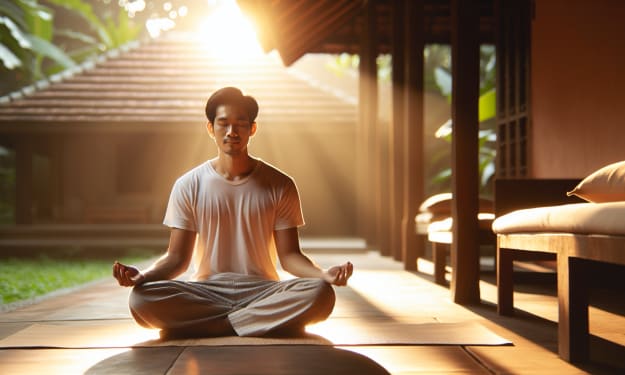
1) Find a quiet place where you can sit comfortably. You can sit on a chair or cross-legged on the floor.
2) Close your eyes gently or keep them slightly open with a soft gaze.
3) Take a deep breath in through your nose, filling your lungs slowly.
4) Exhale gently through your mouth, letting go of any tension.
5) Focus your attention on your breath. Notice the rise and fall of your chest or belly.
6) If your mind wanders, gently bring your focus back to your breathing without judgment.
7) Continue for 5 minutes or longer if you wish.
8) When you finish, open your eyes slowly and take a moment to notice how you feel.
Tips for Making Meditation a Habit
1) Choose the same time each day, such as before studying or before bed.
2) Start with short sessions and gradually increase the time.
3) Use a timer so you don’t worry about the clock.
4) Remember that it’s normal for your mind to wander; meditation is about returning your focus gently.
5) Combine meditation with mindful walking or stretching to deepen your awareness.
Meditation is a skill that grows stronger with practice. It can help students manage stress, stay present, and approach their studies with a calmer mind.
Meditation offers students a gentle way to pause, breathe, and reconnect with their inner calm even during busy days, and it can help you return to inner balance through the mindful breathing practice
"Meditation and Academic Performance
Research shows that students who meditate regularly often experience improvements in attention span and memory retention. This can translate into better grades and a more positive attitude toward learning. Meditation also reduces anxiety, which can otherwise interfere with test performance and motivation.
Mindfulness Beyond Meditation
Mindfulness means paying attention to the present moment with openness and curiosity. Students can practice mindfulness throughout the day by noticing sensations, sounds, or feelings without rushing or judging. This awareness can help reduce automatic stress reactions and increase resilience.
Guided Resources and Support
Many schools now offer mindfulness programs or quiet spaces for meditation. There are also apps and online videos designed specifically for students to support meditation practices. Exploring these resources can make meditation more accessible and enjoyable.
Final Thoughts
Meditation is a simple yet profound tool that can support students’ mental and emotional well-being. By dedicating a few moments each day to mindful breathing, students can cultivate calmness, clarity, and confidence in their academic journey.
About the Creator
Keep reading
More stories from Victoria Marse and writers in Proof and other communities.
Vipassana Insight Practice: Cultivating Clear Awareness
Vipassana, often called insight meditation, is a practice that helps you see things as they truly are. It is a path to deep understanding by observing your experience with clarity and kindness. This practice invites you to notice sensations, thoughts, and emotions without reacting or judging them.
By Victoria Marse24 days ago in Proof
Mastering the Library Bar Setup: A Bartender’s Guide
Non-judgmental awareness is a gentle way of paying attention to your present experience without labeling it as good or bad. It invites you to notice thoughts, feelings, and sensations as they arise, simply as they are. This practice helps create space between you and your reactions, allowing calm and clarity to grow.
By Ava Mitchellabout 17 hours ago in Proof
Crafting the Perfect Quiet Themed Cocktail
When you think of a ""quiet themed cocktail,"" you might imagine a drink that whispers rather than shouts—a subtle, elegant concoction that invites calm and introspection. These cocktails are perfect for moments when you want to unwind quietly, enjoy a peaceful evening, or create a serene atmosphere at your next gathering. The secret is in the balance: gentle flavors, smooth textures, and a touch of sophistication.
By Ava Mitchella day ago in Proof


Comments
There are no comments for this story
Be the first to respond and start the conversation.