
The Impact of Celestial Bodies on Human Behavior: Science or Myth?
The Impact of Celestial Bodies on Human Behavior: Science or Myth?

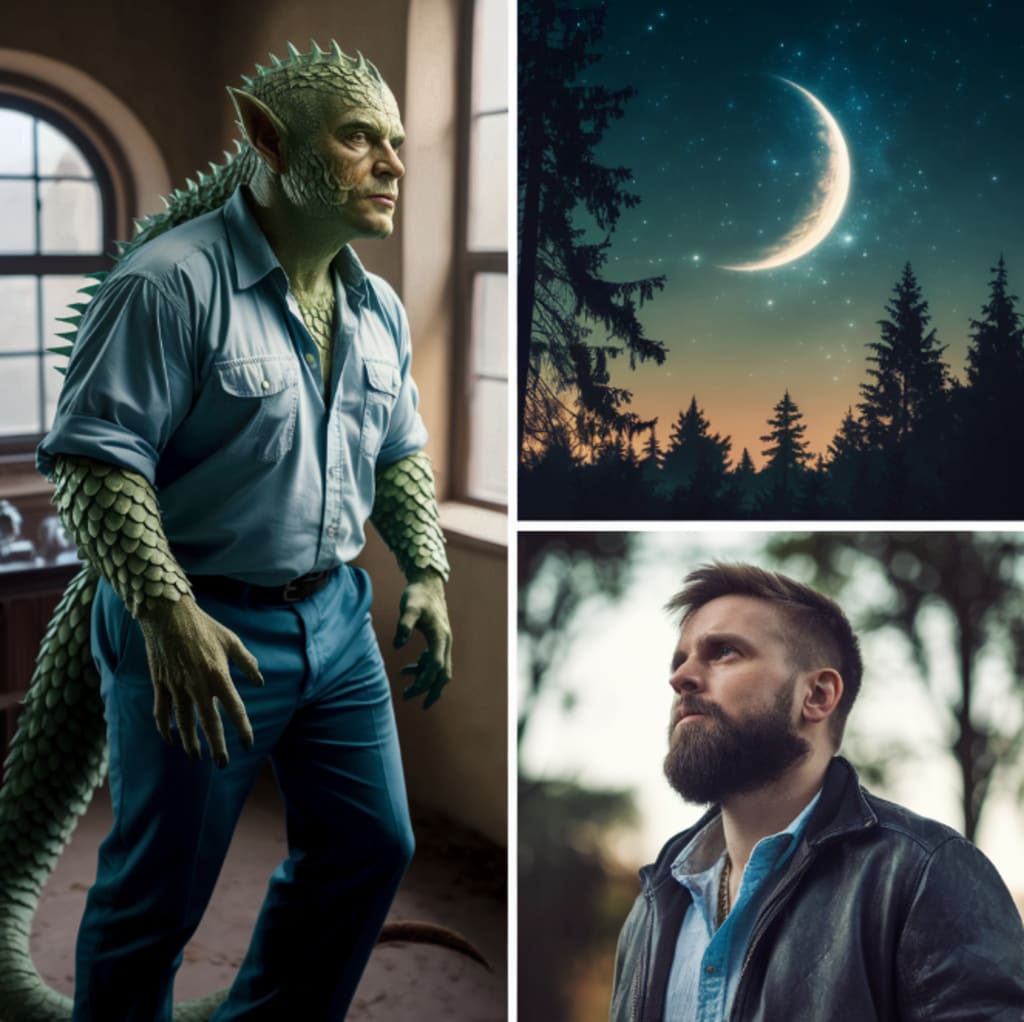
For centuries, humanity has been fascinated by the belief that external celestial bodies, such as the moon and the planets, influence human actions and emotions. From ancient astrologers to modern-day followers of horoscopes, the idea that the cosmos holds sway over our daily lives is one that has endured. But what is the truth behind these beliefs? Is there any scientific basis for the impact of planetary and lunar movements on human behavior, or do they remain firmly in the realm of myth? This article explores the potential effects of external energy, planetary alignments, and the moon on human actions and emotions.
The Moon’s Influence: More Than Just Folklore?
The idea that the moon affects human behavior, particularly during a full moon, is one of the oldest beliefs tied to the cosmos. This connection, known as the lunar effect, suggests that phases of the moon, especially the full moon, can impact everything from sleep patterns to mental health. The term lunatic, derived from the Latin word luna, reflects this age-old association between the moon and erratic behavior.
Scientific Studies on the Lunar Effect
Some studies have investigated whether there is truth behind the lunar effect. For example, research published in peer-reviewed journals has examined whether the full moon influences human sleep cycles, birth rates, or even rates of crime and emergency room visits. Although many findings are inconclusive or show only weak correlations, there are studies that suggest some connection between the full moon and sleep disturbances. One study conducted by researchers at the University of Basel found that participants in a controlled sleep lab experienced reduced deep sleep and took longer to fall asleep during a full moon phase. However, the reasons for this phenomenon remain speculative.
Tides and the Human Body
One commonly cited argument for the moon’s influence is its effect on ocean tides. Since the moon’s gravitational pull can move massive bodies of water, some theorists suggest it could also impact the human body, which is about 60% water. However, most scientists agree that the gravitational forces involved are too weak to have a measurable impact on human biology. Despite this, anecdotal evidence continues to support the idea that people experience heightened emotional states or insomnia during full moons.
The Power of Planetary Alignments
Beyond the moon, planetary alignments and their supposed impact on human life form the backbone of astrology. This ancient practice suggests that the positions of planets at the time of one’s birth can influence personality traits and life events. Astrologers also claim that the movements of planets, known as transits, can affect emotions, decisions, and behavior.
Mercury Retrograde: Fact or Fiction?
One of the most popular examples of planetary influence is Mercury retrograde. This event occurs when Mercury appears to move backward in its orbit from the perspective of Earth. Many people believe that Mercury retrograde causes communication issues, travel delays, and general misfortune. Although there is no scientific evidence to support these claims, the widespread belief in Mercury retrograde can lead to a psychological effect known as a self-fulfilling prophecy, where people subconsciously create problems they believe are bound to happen.
Historical and Cultural Significance
The belief in the power of planetary alignments dates back to Babylonian civilization, which was among the first to chart the movement of the stars and planets. The Greeks and Romans expanded on these ideas, incorporating them into their understanding of fate and divine intervention. Today, astrology remains popular around the world, despite the lack of empirical evidence supporting its efficacy. In many cultures, reading daily horoscopes or consulting astrologers for major life decisions is a routine practice.
The Psychological Aspect of Celestial Beliefs
Why do so many people still believe that celestial bodies impact their actions, even without strong scientific backing? The answer may lie in psychology. Humans have an inherent need to find patterns and explanations for complex or stressful life events. This tendency is linked to cognitive biases, which cause people to perceive correlations that may not truly exist.
The Role of Confirmation Bias
Confirmation bias is the tendency to search for or interpret information in a way that confirms one's preconceptions. For example, if someone believes that a full moon triggers erratic behavior, they are more likely to notice instances that support this belief while disregarding contradictory evidence. The same principle applies to astrology and planetary influences.
Social and Emotional Comfort
Believing in celestial influences can also provide emotional comfort and a sense of control. During uncertain times, attributing life's events to larger cosmic forces can offer reassurance. This psychological benefit helps explain why astrology and lunar beliefs have persisted throughout human history.
Is There a Scientific Basis?
While the moon’s influence on tides is well-documented and understood, most scientific research does not support the idea that lunar phases or planetary movements have a direct impact on human behavior. Studies attempting to find connections between full moons and increased rates of crime, psychiatric admissions, or birth rates have largely been inconclusive or show negligible effects.
In the case of planetary influences, modern astronomy dismisses astrology as lacking any empirical basis. Despite this, the enduring popularity of astrology suggests that its true power may lie in its symbolic meaning and emotional resonance rather than any real physical influence.
Conclusion: Between Science and Myth
The impact of external celestial bodies on human behavior is a topic that straddles the line between science, myth, and psychology. While there is limited scientific evidence to support direct links between the moon, planets, and human actions, these beliefs remain deeply embedded in cultures worldwide. Whether the appeal lies in the comfort of cosmic explanations or in the mysteries of ancient traditions, the fascination with celestial influence is unlikely to wane anytime soon.
For those who embrace the idea, the cosmos represents more than distant, silent bodies; it becomes a map for navigating the complexities of life. Whether one views planetary and lunar impacts as profound truths or intriguing myths, the dialogue between science and belief continues to fuel curiosity and conversation.
About the Creator
Keep reading
More stories from mariam elghazaly and writers in Proof and other communities.
The Reality of Human Reptiles: Fact or Fiction?
For decades, the idea of "human reptiles" has captivated the imagination of conspiracy theorists, science fiction fans, and the general public. While some may chuckle at the thought of shape-shifting reptilian overlords, others are genuinely intrigued by stories that blur the lines between science, mythology, and unexplained phenomena. In this article, we’ll delve into the origins of the human reptile concept, examine its potential roots in ancient history, and explore whether it holds any credibility as reality or remains firmly planted in the realm of fiction.
By mariam elghazalyabout a year ago in Proof
At Will
Section 1 Pollen and the bright sun anesthetized color - muting almost every color to its equivalent shade in pastels. James stood by the window of his apartment at Bayside Village, adjusting his tie and checking the time - it was 8:30 AM. On his phone, a message from the Recruiting Agency, Eastridge. Cassie assured him that the partners at Sidley Austin, a corporate law firm, had asked for him by name - which never happened so he should be excited. It was a request that had never occurred in his ten years as a paralegal, a sudden, specific gravity pulling him into their orbit.
By James L. Royer5 days ago in Proof
The Bottle I Was Afraid to Open
I am not a whiskey person. In fact, I’m barely an alcohol person at all. I might have a drink once or twice a year—usually at a wedding, a holiday dinner, or when someone insists I “at least try it.” Even then, I’m the person who nurses the same glass for an hour while everyone else orders a second round.
By Jhon smith6 days ago in Proof
A More Human Vocal
When we launched Vocal nearly a decade ago, the world was a very different place. LLMs did not exist, and stories were created one at a time by people sitting down to write, revise, and share something personal. Many of our assumptions about publishing, trust, and participation were built for a world where effort and output were inseparable.
By Justin @ Vocal6 days ago in Resources




Comments
There are no comments for this story
Be the first to respond and start the conversation.