
The Reality of Human Reptiles: Fact or Fiction?
The Reality of Human Reptiles: Fact or Fiction?

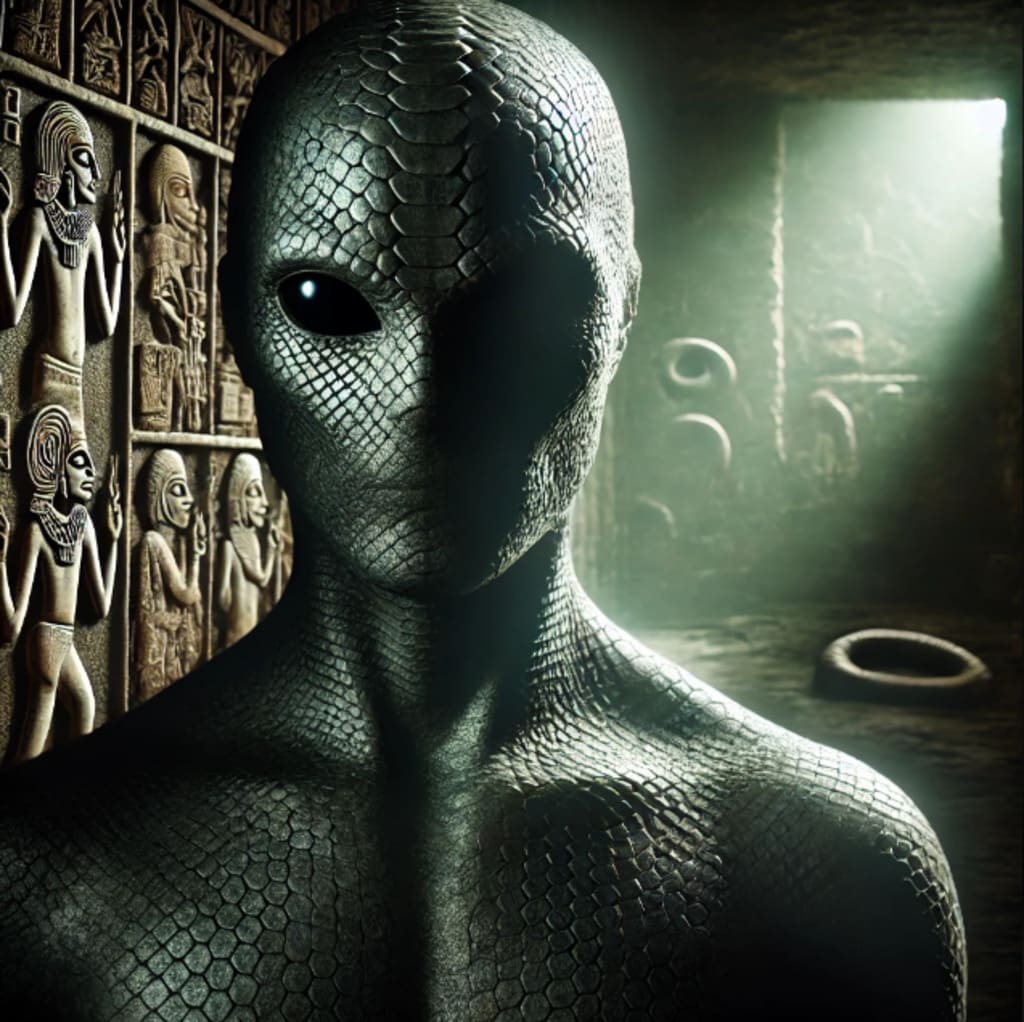
For decades, the idea of "human reptiles" has captivated the imagination of conspiracy theorists, science fiction fans, and the general public. While some may chuckle at the thought of shape-shifting reptilian overlords, others are genuinely intrigued by stories that blur the lines between science, mythology, and unexplained phenomena. In this article, we’ll delve into the origins of the human reptile concept, examine its potential roots in ancient history, and explore whether it holds any credibility as reality or remains firmly planted in the realm of fiction.
The Origins of Reptilian Theory
The idea of reptilian humanoids didn't start with modern conspiracy theories; it can be traced back thousands of years. Ancient civilizations such as the Sumerians, Egyptians, and Mayans all documented gods and mythical figures that bore reptilian characteristics. For instance, the Sumerian god Enki was often depicted as a being with scales, and the Mayans revered the feathered serpent deity known as Quetzalcoatl.
The contemporary narrative of human reptiles, however, gained mainstream attention in the 1990s, primarily thanks to British writer and public speaker David Icke. Icke proposed that a race of reptilian aliens called the Anunnaki secretly controlled the world, manipulating political figures and global events. According to Icke, these reptilian beings disguised themselves as human leaders, blending seamlessly into society while orchestrating major world affairs behind closed doors.
Reality or Fiction: What Does Science Say?
From a scientific perspective, the existence of shape-shifting reptilian humanoids is widely regarded as fiction. No concrete evidence supports the claim that non-human intelligent life forms capable of disguising themselves as humans have ever existed on Earth. This belief is often categorized under pseudoscience, as it relies heavily on anecdotal evidence and the personal testimonies of conspiracy theorists.
However, there are aspects of the human brain that can explain why such theories persist. The pareidolia phenomenon, which causes humans to perceive familiar patterns or faces in random stimuli, could be responsible for people claiming to see “reptilian eyes” in political leaders during televised events or speeches. The mind's tendency to construct coherent narratives from limited information often leads to a fusion of reality and imagination, fueling myths like these.
The Stories That Keep the Myth Alive
Despite the lack of scientific support, stories about human reptiles continue to proliferate across digital media and pop culture. One of the most famous stories involves former U.S. Secretary of State Hillary Clinton, whom conspiracy theorists claim displayed reptilian characteristics during televised debates and interviews. Videos of her purportedly "blinking sideways" or showing reptilian eye features have amassed millions of views, despite being debunked as the result of poor video quality or simple light refractions.
Another intriguing tale comes from a former government employee known by the pseudonym “Thomas C.” who claimed in the early 2000s to have seen reptilian beings in a top-secret military facility. Although these types of reports are unsupported by evidence, they have fed the fires of reptilian conspiracies, making believers more confident in the theory’s supposed authenticity.
Psychological Reasons Behind the Belief
Why do so many people cling to the idea of reptilian rulers, despite the absence of solid proof? The answer may lie in human psychology. Sociologists have suggested that conspiracy theories provide a way for people to make sense of complex and seemingly chaotic world events. The thought of a shadowy group controlling the world offers a type of explanation, albeit a troubling one, that provides comfort to those seeking answers during uncertain times.
Furthermore, the belief in reptilian beings often overlaps with themes of paranoia and mistrust of authorities. Individuals who feel disconnected from or distrustful of their government are more likely to believe in hidden agendas, secret societies, or, in this case, lizard-like beings pulling the strings from the shadows.
Fiction Brought to Life: Pop Culture and Human Reptiles
In addition to conspiracy theories, the concept of human reptiles has found a home in popular culture, solidifying its place in modern folklore. Films and TV series like V and Doctor Who have depicted aliens or reptilian creatures that disguise themselves as humans, reflecting society’s enduring fascination with the idea. These works not only entertain but also perpetuate the mystery surrounding such beings, making it difficult to separate reality from fiction.
The character of the reptilian shapeshifter taps into one of humanity’s deepest fears: the idea that our reality might not be as transparent as we believe. It raises questions about trust, authenticity, and identity, fueling narratives that resonate with those who view the world with suspicion.
Conclusion: Reality or Pure Fantasy?
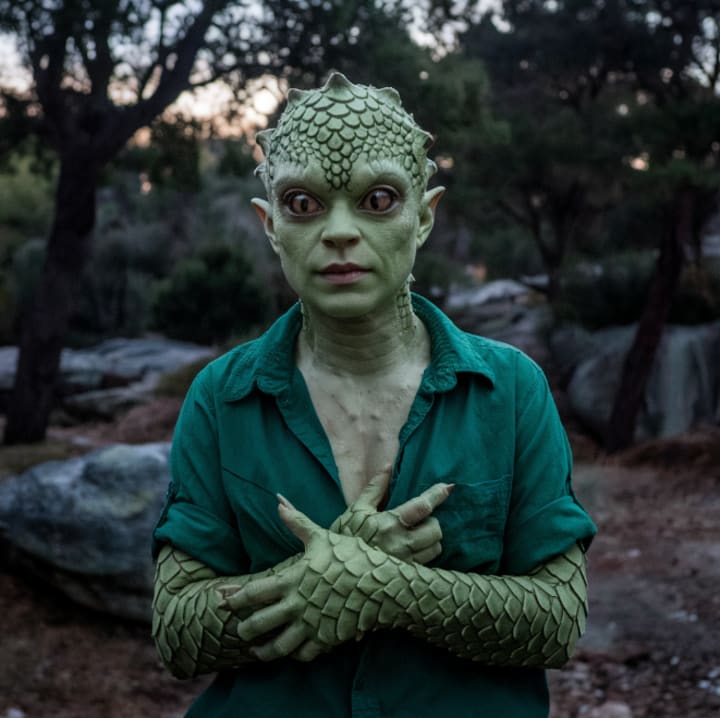
Ultimately, the notion of human reptiles remains firmly in the domain of modern mythology and conspiracy theory. While ancient myths and psychological explanations can shed light on why such beliefs persist, there is no empirical evidence to substantiate the existence of shape-shifting reptilian rulers. Yet, the stories and the fascination with the unknown continue to thrive in an era where information—and misinformation—are only a click away.
Whether seen as a metaphor for hidden power or simply an entertaining story, the myth of human reptiles captivates the imagination. The blend of historical roots, psychological insights, and modern media ensures that this concept will likely persist as a source of intrigue for years to come.
About the Creator
Keep reading
More stories from mariam elghazaly and writers in Proof and other communities.
Actor Lukas Gage joined Jameson Irish Whiskey and KidSuper designer Colm Dillane to Celebrate St. Patrick’s Season for a pre-holiday kick off party in Brooklyn
The collaboration between KidSuper and Jameson Irish Whiskey shows how the holiday is moving beyond bars and into fashion driven culture spaces. by NWO Sparrow
By NWO SPARROWabout 18 hours ago in Proof
Cryptocurrency Explained: Pros and Cons of Investing – A Guide by Topwaynews
Cryptocurrency has become one of the most talked-about financial innovations of the modern era. Over the past decade, digital currencies have transformed the way people think about money, online transactions, and investments. From individual investors to major financial institutions, interest in cryptocurrency continues to grow worldwide. However, before investing in digital assets, it is important to understand how cryptocurrencies work and what benefits and risks they carry. This guide by Topwaynews explains the basics of cryptocurrency along with its major advantages and disadvantages for investors.
By Pink salt wall3 days ago in Proof


Comments
There are no comments for this story
Be the first to respond and start the conversation.