
The Chilly Truth About Cocktail Temperature

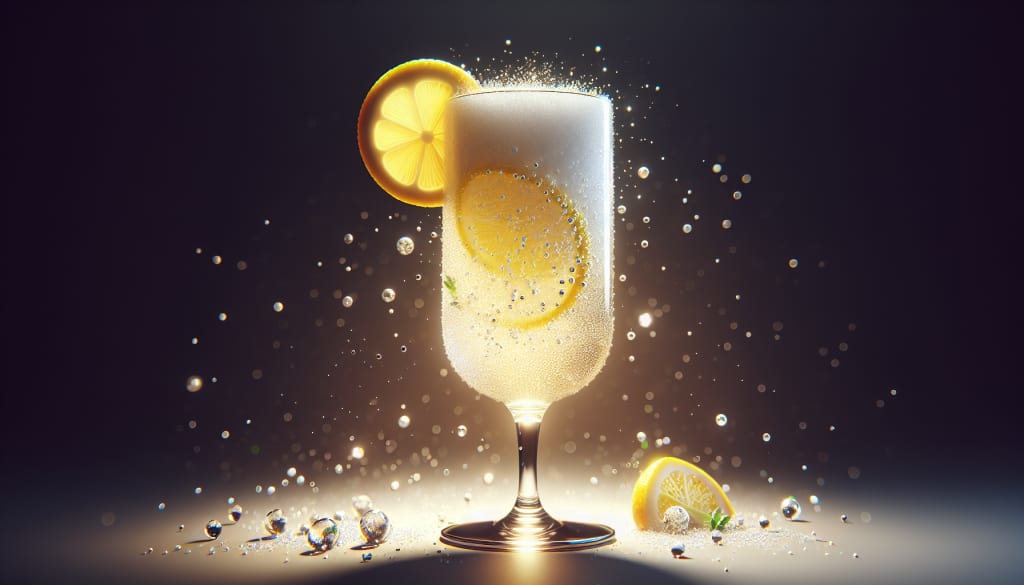
When it comes to crafting a perfect cocktail, temperature is a silent but powerful player. It shapes the flavor, the aroma, and the entire drinking experience. Too warm, and your drink might taste flat or overly boozy; too cold, and it can mute the subtle notes you worked so hard to balance. Understanding how temperature affects cocktails can elevate your bartending game to a whole new level.
Why Temperature Matters
Cocktail temperature influences dilution, aroma release, and mouthfeel. Cold drinks tend to suppress bitterness and sharpen acidity, while warmer drinks let the aromas bloom and flavors meld more intimately. That's why a classic stirred Negroni is served cold but not icy, and a hot toddy is enjoyed warm to soothe and comfort.
Chilling Techniques
Bartenders use various chilling methods: shaking with ice, stirring with ice, or pre-chilling glassware. Each has a different impact. Shaking with ice chills and dilutes faster, making drinks lighter and crisper. Stirring chills more gently, preserving silky textures and clarity. Pre-chilling glassware keeps the cocktail cold longer without extra dilution.
The Role of Ice
Not all ice is created equal. Large, clear cubes melt slower, preventing rapid dilution, while crushed ice cools quickly but waters down your drink fast. Crystal-clear ice is prized for its purity and slow melt, keeping cocktails pristine. The temperature of the ice itself also matters—ice fresh from the freezer is colder and chills faster.
Original Cocktail Recipe: The Frostbite
This cocktail celebrates the magic of temperature with a crisp, refreshing profile that’s perfectly chilled but never numbing.
1) 45 ml Gin
2) 20 ml Elderflower liqueur
3) 15 ml Fresh lemon juice
4) 10 ml Simple syrup
5) 30 ml Cold cucumber juice
6) Ice cubes (large, clear)
**Instructions:**
Fill a mixing glass with large clear ice cubes. Add gin, elderflower liqueur, lemon juice, simple syrup, and cold cucumber juice. Stir gently for 20 seconds to chill without over-diluting. Strain into a pre-chilled coupe glass. Garnish with a thin cucumber ribbon curled inside the glass.
The Frostbite is all about balance—bright, floral, and crisp, with a silky chill that wakes your palate without freezing it.
Mastering cocktail temperature is about more than just cold or warm; it’s about knowing how to control chill and dilution to coax the best flavors out of each ingredient. Whether youre shaking up a frosty margarita or stirring a smooth old fashioned, attention to temperature transforms the ordinary into something memorable like the perfect cocktail temperature techniques
"Tips for Serving at the Right Temperature
1) Always chill your glassware for cold cocktails to maintain the perfect drinking temperature longer.
2) Use fresh, cold ingredients whenever possible to avoid warming the drink prematurely.
3) Consider the environment—on a hot day, a colder cocktail works wonders, while a slightly warmer drink suits cozy evenings.
4) Experiment with ice types and amounts to find your ideal dilution rate.
Temperature and Presentation
Temperature can even influence how a cocktail looks. Frosted glasses, condensation beads, and the clarity of ice cubes all signal chill and freshness to the drinker. A well-chilled drink with a clear ice cube looks inviting and professional.
Final Thoughts
Temperature is a subtle art in mixology, often overlooked but always felt. When you master it, your cocktails not only taste better but also tell a story of care and craftsmanship in every sip. So next time you reach for the shaker or stirring glass, remember: it’s not just what you mix but how cold it is that counts.
About the Creator
Ethan Chen
Cocktail chemist and author, known for his scientific approach to mixology. He combines molecular gastronomy with traditional cocktail techniques to create unique drinking experiences.
Keep reading
More stories from Ethan Chen and writers in Proof and other communities.
The Art of Luxury Cocktails: Elevate Your Home Bar Experience
Luxury cocktails are more than just drinks; they are an experience, a statement of style and sophistication. From the moment you select your ingredients to the final garnish, every detail matters. These cocktails often feature premium spirits, rare liqueurs, and unique flavor combinations that delight the palate and impress the eye.
By Ethan Chen3 months ago in Proof
Crafting a Poetic Drink Menu: Elevate Your Bar Experience
Non-judgmental awareness is a gentle way of paying attention to your present experience without labeling it as good or bad. It invites you to notice thoughts, feelings, and sensations as they arise, simply as they are. This practice helps create space between you and your reactions, allowing calm and clarity to grow.
By Aisha Patela day ago in Proof
Deep Rest Meditation: Finding Stillness Within
Deep rest meditation is a gentle practice that helps your body and mind enter a state of profound relaxation. It allows you to release tension, calm your thoughts, and restore your energy. Unlike active meditation that requires focus or visualization, deep rest meditation invites you to simply be still and let your body unwind naturally.
By Black Markabout 18 hours ago in Proof



Comments
There are no comments for this story
Be the first to respond and start the conversation.