
Ramadan Mubarak 2025
Ramadan Mubarak 2025: Heartfelt Wishes, Messages, and Greetings for a Blessed Month

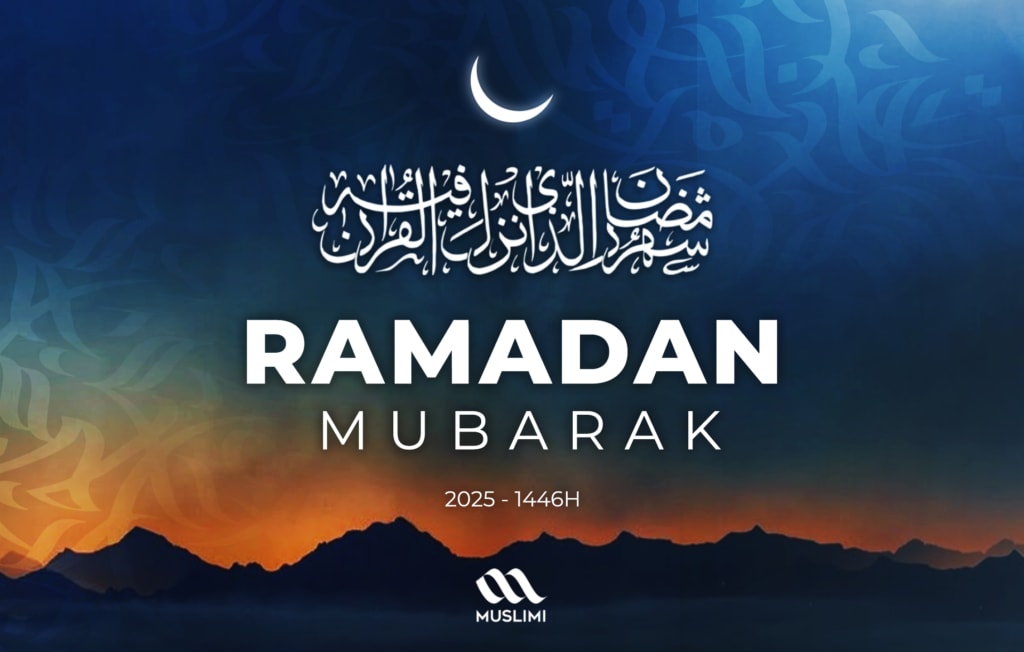
Ramadan Mubarak! As the crescent moon graces the evening sky, Muslims worldwide welcome the sacred month of Ramadan with devotion and reflection. This holy period, commemorating the first revelations of the Quran to Prophet Muhammad (PBUH), is a time for fasting, prayer, charity, and spiritual growth. Here’s how you can share the spirit of Ramadan with your loved ones through meaningful wishes and messages.
Significance of Ramadan
Ramadan is the ninth month of the Islamic lunar calendar and is observed by 1.9 billion Muslims globally. It is a time for self-discipline, purification, and reconnecting with faith. Fasting from dawn to sunset (Roza) is one of the Five Pillars of Islam, symbolizing devotion and gratitude. The day begins with Suhoor (pre-dawn meal) and ends with Iftar (meal at sunset), often shared with family and friends.
Heartfelt Ramadan Wishes for 2025
Sharing warm wishes during Ramadan strengthens bonds and spreads joy. Here are some heartfelt messages to inspire you:
"May this Ramadan bring peace, prosperity, and happiness into your life. Ramadan Mubarak!"
"Wishing you a blessed month filled with faith, love, and spiritual enlightenment."
"May your prayers be heard, your fasts be accepted, and your heart be filled with joy."
"Let this holy month of Ramadan be a fresh start filled with blessings and success."
"May Allah’s mercy and blessings be upon you and your family this Ramadan."
Inspirational Messages to Share
"As we fast and pray this Ramadan, may we be reminded of the importance of gratitude, patience, and kindness."
"Ramadan is a time to purify our hearts and minds. Let’s embrace this sacred month with generosity and humility."
"May your days be filled with peace, your nights with prayers, and your heart with faith. Ramadan Kareem!"
Creative Ways to Celebrate Online
In today’s digital age, sharing Ramadan greetings on social media platforms like WhatsApp, Facebook, or Instagram has become popular. Here are some creative ideas:
Share beautifully designed greeting cards or images featuring crescent moons or lanterns.
Post inspiring quotes about faith and kindness.
Use hashtags like #RamadanMubarak2025 or #RamadanKareem to connect with global communities.
Tips for Observing a Healthy Ramadan
Fasting can be physically demanding. To stay healthy during this holy month:
Stay hydrated by drinking plenty of water during non-fasting hours.
Opt for nutrient-rich foods like fruits, vegetables, lean proteins, and whole grains during Suhoor and Iftar.
Read More: Ramadan Mubarak 2025
Avoid deep-fried foods; instead, try grilling or steaming meals.
Final Thoughts
Ramadan is more than just fasting—it’s a time for reflection, compassion, and coming together as a community. Whether through acts of kindness or heartfelt messages, let’s make this Ramadan a time of spiritual renewal and joy for all.
FAQs About Ramadan Fasting
What is Ramadan, and why is it significant?
Ramadan is the ninth month of the Islamic lunar calendar, observed as a sacred time when the Quran was first revealed to Prophet Muhammad (PBUH). It is a period of fasting, prayer, and reflection to foster self-discipline, gratitude, and compassion for others.
Who is required to fast during Ramadan?
Fasting is obligatory for all healthy adult Muslims. Exemptions include children, the elderly, pregnant or breastfeeding women, travelers, and those with physical or mental health conditions.
What are the fasting hours during Ramadan?
Muslims fast from dawn (Fajr) to sunset (Maghrib). The specific hours vary depending on geographical location and the time of year.
What breaks a fast during Ramadan?
Eating, drinking, smoking, or engaging in sexual activity during fasting hours invalidates the fast. Unintentional acts like eating by mistake do not break the fast.
What are Suhoor and Iftar?
Suhoor is the pre-dawn meal consumed before fasting begins, while Iftar is the meal to break the fast at sunset. Both meals are essential for maintaining energy and hydration during Ramadan.
What is Laylat al-Qadr?
Laylat al-Qadr, or the Night of Power, occurs in the last ten days of Ramadan. It marks the night when the Quran was first revealed and is considered better than a thousand months in terms of worship and blessings.
Why does Ramadan fall on different dates each year?
The Islamic calendar is based on lunar months, which are shorter than solar months. As a result, Ramadan shifts approximately 11 days earlier each year in the Gregorian calendar.
Can someone make up missed fasts after Ramadan?
Yes, missed fasts can be made up later if they were missed due to valid reasons such as illness or travel. Alternatively, compensation through charity (Fidya) may be given if fasting is not possible at all.
What are the spiritual benefits of fasting?
Fasting helps Muslims develop self-control, gratitude, empathy for those in need, and a closer connection to Allah through increased worship and reflection.
How do Muslims celebrate Eid al-Fitr after Ramadan?
Eid al-Fitr marks the end of Ramadan with communal prayers, festive meals, giving charity (Zakat al-Fitr), and spending time with family and friends to celebrate spiritual achievements during the holy month.
About the Creator
Jamia Saeedia Darul Quran
Jamia Saeedia Darul Quran is a renowned Islamic institution dedicated to Quranic education, Hadith, and Islamic teachings. Serving for over 25 years, it nurtures students with religious and academic knowledge.
Keep reading
More stories from Jamia Saeedia Darul Quran and writers in Proof and other communities.
Itikaf Rules for Females: A Spiritual Guide to Devotion in Islam
Itikaf, a profound act of worship in Islam, involves secluding oneself to focus entirely on connecting with Allah. While commonly observed during the last ten days of Ramadan, this spiritual retreat holds immense rewards and transformative potential. For women, Itikaf rules are tailored to accommodate their unique roles and responsibilities, ensuring ease without compromising spiritual growth. This guide explores the principles, permissions, and practices of Itikaf for females, rooted in Islamic tradition.
By Jamia Saeedia Darul Quranabout a year ago in Proof
Honey Cocktails: Sweet, Natural, and Healthy Sips
Honey has been cherished for centuries not just as a natural sweetener but as a flavor enhancer that brings depth and warmth to cocktails. Unlike refined sugar or artificial syrups, honey offers complex floral notes and a silky texture that can elevate even the simplest drinks. Plus, it’s packed with antioxidants and has soothing qualities, making it a favorite among those who want a healthier twist in their glass.
By Stella Rossi4 days ago in Proof
Matcha Cocktails: Green Tea Drinks with a Kick
Matcha isn’t just for your morning latte anymore. This vibrant green powder, made from finely ground Japanese green tea leaves, has stormed the cocktail world with its earthy flavor, bright color, and health perks. If you’re looking for a refreshing drink that packs antioxidants and a gentle caffeine boost, matcha cocktails are your new best friend.
By Andrea Martinez4 days ago in Proof
Cassie and Johnny
I’m the kind of dame you notice. I’m no femme fatale, but you can’t ignore me, at least not until I warn you about what’s coming, then everybody ignores me. Hell, they usually blame me afterwards and give Johnny all the credit for saving the day, but my Johnny couldn’t save a seat at the movies without my help. Sure, he’s brawny, but brainy? Not so much. Like that time I asked him to spot me five bucks, and he said he didn’t see it anywhere on me, and believe you me, he looked but good.
By Harper Lewis4 days ago in Critique



Comments (1)
Mashaallah subhanAllah