
Molecular Mixology at Home: Worth Trying or Just a Gimmick?
Molecular mixology has taken the cocktail world by storm

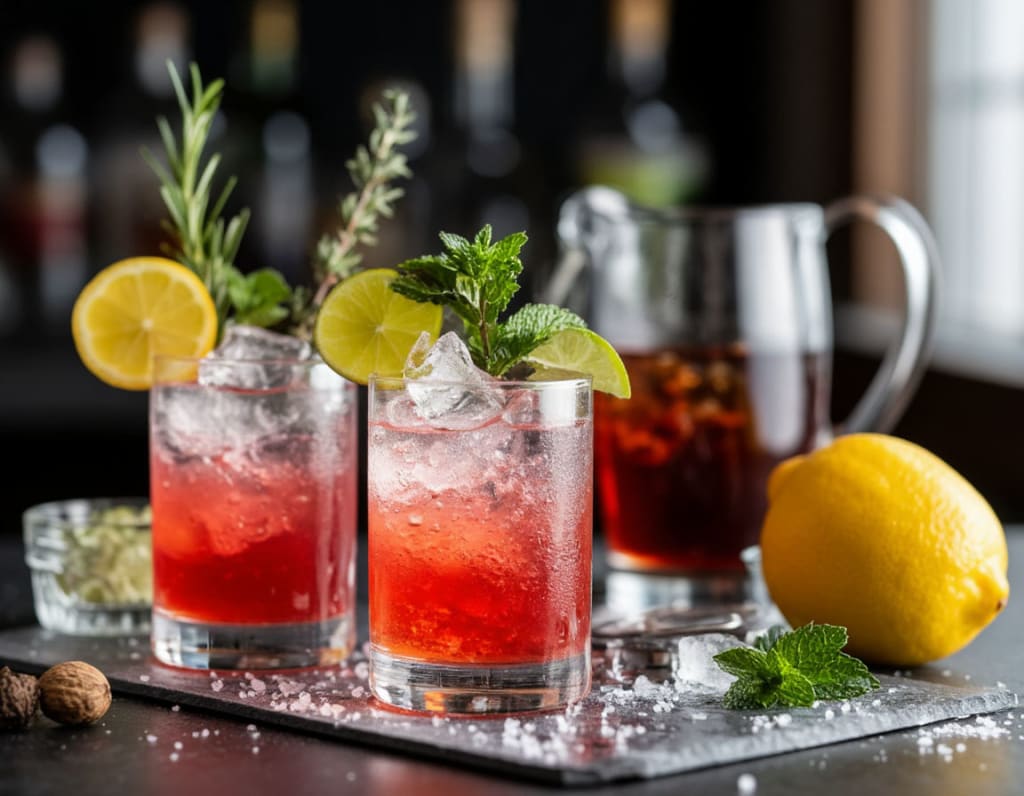
Molecular mixology has taken the cocktail world by storm, dazzling bar-goers with foams, spheres, and smoky clouds that transform drinking into a theatrical experience. Rooted in scientific techniques, this style of mixology uses tools and ingredients borrowed from molecular gastronomy to manipulate textures, temperatures, and flavors in unexpected ways. But while it’s a spectacular show in upscale bars, is molecular mixology something that home bartenders should try? Or is it just an overhyped gimmick that’s too complicated for casual sipping?
The Allure of Molecular Mixology
There’s no denying that molecular cocktails are visually stunning and often delicious. Techniques like spherification turn juices into caviar-like beads, while foams can add an airy lightness to a classic sour. Smoke guns infuse drinks with aromatic essences, and liquid nitrogen can create dramatic fog effects. These innovations invite drinkers to engage multiple senses beyond taste and smell, adding excitement and novelty to cocktail culture.
For home enthusiasts, experimenting with molecular mixology can be a fun way to learn about ingredients, chemistry, and presentation. Kits and tutorials have made some techniques more accessible, and many bartenders love sharing these creative processes online. It’s a form of art-meets-science that encourages curiosity and play.
Practical Challenges and Considerations
Despite its wow factor, molecular mixology requires precision, special equipment, and patience—three things not everyone has on hand or the desire to acquire. Ingredients like agar-agar, sodium alginate, and calcium chloride may not be readily available at your local grocery store, and improper measurements can lead to disappointing results or wasted ingredients. Furthermore, some techniques are time-consuming, which might not suit those looking for quick, relaxing cocktails.
There’s also the question of whether the focus on spectacle overshadows the taste. A cocktail that looks incredible but tastes off balance or artificial defeats the purpose of enjoying a well-crafted drink. Home bartenders should consider if the extra effort enhances the drinking experience or simply adds complexity without meaningful payoff.
When Molecular Mixology Makes Sense at Home
If you love entertaining and enjoy experimenting, molecular mixology can be a fantastic way to impress guests and elevate your home bar. Creating edible cocktail bubbles or serving a smoky Old Fashioned can spark conversation and delight friends. Starting small with simple techniques like making flavored foams or garnishing with dehydrated fruit powders can bring molecular flair without overwhelming complexity.
Moreover, some molecular techniques can solve practical problems. For example, using gels or spheres to encapsulate strong flavors can control the release of alcohol or bitters, providing a unique sensory journey through the drink. It’s a chance to rethink how cocktails can be experienced beyond traditional sips.
The Bottom Line: Gimmick or Game-Changer?
Ultimately, molecular mixology at home straddles the line between gimmick and genuine innovation. It’s not necessary to enjoy exceptional cocktails, but it can be a rewarding creative outlet for those with the right mindset and equipment. Rather than chasing trends blindly, focus on how these techniques can complement your style, flavor preferences, and entertaining goals.
As with any new tool or skill, the best approach is to experiment thoughtfully, learn from mistakes, and keep the drinker’s experience front and center. Whether you embrace molecular mixology as a playful exploration or stick to classic shaking and stirring, your passion and care will always be the true secret to memorable cocktails.
About the Creator
Sofia Mertinezz
A renowned cocktail mixologist and the owner of a popular speakeasy-style bar in the French Quarter. Her innovative approach to classic cocktails has earned her a loyal following.
Keep reading
More stories from Sofia Mertinezz and writers in Proof and other communities.
Plant-Based Spirits: The Future of Non-Alcoholic Cocktails
The cocktail world is evolving — and fast. As more people embrace wellness, mindfulness, and moderation, non-alcoholic cocktails are no longer an afterthought. At the forefront of this movement? Plant-based spirits — sophisticated, botanical-driven alternatives to traditional alcohol that are reshaping how we think about drinking.
By Sofia Mertinezz7 months ago in Proof
Mastering the Library Bar Setup: A Bartender’s Guide
Non-judgmental awareness is a gentle way of paying attention to your present experience without labeling it as good or bad. It invites you to notice thoughts, feelings, and sensations as they arise, simply as they are. This practice helps create space between you and your reactions, allowing calm and clarity to grow.
By Ava Mitchella day ago in Proof
Crafting the Perfect Quiet Themed Cocktail
When you think of a ""quiet themed cocktail,"" you might imagine a drink that whispers rather than shouts—a subtle, elegant concoction that invites calm and introspection. These cocktails are perfect for moments when you want to unwind quietly, enjoy a peaceful evening, or create a serene atmosphere at your next gathering. The secret is in the balance: gentle flavors, smooth textures, and a touch of sophistication.
By Ava Mitchell2 days ago in Proof
Violence Begets
"Any last words, cowboy?" "None you'd understand, sodbuster." "Funny. That's Marshall Sodbuster to you. But I meant some last nugget that would help us in the adjudication of the myriad offenses counted against you and your gang. I wasn't asking for penitence."
By Adam Diehl4 days ago in Fiction


Comments (1)
Molecular mixology is cool, but it's tricky at home. Need special stuff and patience. It's fun to learn, but getting the right ingredients and measurements can be a hassle.