
Plant-Based Spirits: The Future of Non-Alcoholic Cocktails
Rethinking the bar cart — the botanical boom in zero-proof mixology


The cocktail world is evolving — and fast. As more people embrace wellness, mindfulness, and moderation, non-alcoholic cocktails are no longer an afterthought. At the forefront of this movement? Plant-based spirits — sophisticated, botanical-driven alternatives to traditional alcohol that are reshaping how we think about drinking.
Gone are the days when a “mocktail” meant sugary fruit juice or soda with a lime wedge. Today’s plant-based spirits are complex, nuanced, and crafted with the same care as their alcoholic counterparts. Distillers use herbs, spices, roots, flowers, and even adaptogens to create rich, layered flavors that can stand proudly in a coupe or highball glass.
From Roots to Rituals: What Are Plant-Based Spirits?
Plant-based spirits typically contain no alcohol, but they aim to replicate the ritual and depth of a classic cocktail. Brands like Seedlip, Aplós, Ghia, and Pentire are leading the charge, offering blends that evoke gin’s herbal bitterness, mezcal’s smokiness, or vermouth’s botanical intrigue — all without a single drop of ethanol.
These spirits are often distilled or extracted using traditional methods. Ingredients like juniper, gentian root, rosemary, cardamom, and citrus peel are carefully balanced to mimic the structure and complexity of a “real” spirit. Some even include functional botanicals like ashwagandha or reishi to promote relaxation and mental clarity — turning your evening drink into a wellness ritual.
Why They're Taking Off Now
Three key forces are pushing plant-based spirits into the mainstream:
Mindful drinking: From “sober-curious” Millennials to Gen Z’s preference for low- or no-alcohol lifestyles, people are looking for ways to socialize without compromising health.
Flavor sophistication: As palates mature, consumers are craving bold, bitter, and herbaceous flavors that simple juices can’t provide.
Aesthetic and ritual: The experience of preparing and sipping a cocktail — the glassware, the garnish, the care — is still deeply desired. Plant-based spirits keep the ritual intact while reimagining what’s in the bottle.
Cocktail Creativity Without the Alcohol
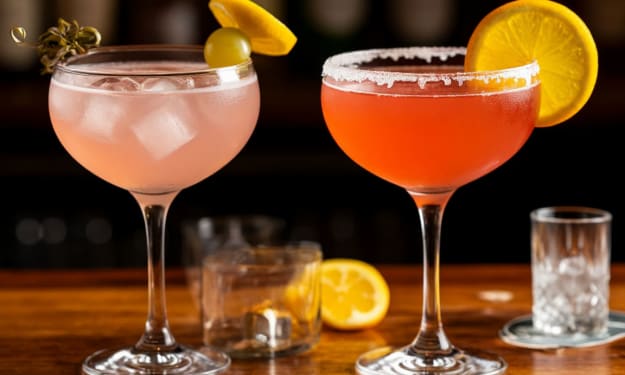
Non-alcoholic doesn’t mean boring. In fact, working with plant-based spirits challenges bartenders to get creative with layers, temperature, and texture. Picture a Rosemary-Citrus Collins made with a herbal zero-proof base, lemon cordial, soda, and a rosemary sprig. Or a zero-ABV Negroni that combines gentian-forward bitters with a citrusy aperitif alternative and a splash of blood orange tonic.
One of the greatest strengths of plant-based spirits is versatility. They play well with shrubs, teas, kombuchas, and seasonal syrups — inviting new flavor combinations not often seen in traditional cocktails. This opens up a whole new frontier for experimentation at both home bars and high-end establishments.
Sustainability and Ethics in Every Sip
Beyond health and flavor, plant-based spirits also tap into sustainability. Many of these brands prioritize organic sourcing, low-waste production, and ethical ingredient harvesting. They’re often packaged in recyclable glass bottles, shipped with minimal plastic, and made in small batches — appealing to eco-conscious consumers who want their drinks to align with their values.
Moreover, without the fermentation or distillation of alcohol, these spirits often have a lower environmental impact than traditional liquor. It’s a small change with a meaningful ripple effect — especially as the demand grows globally.
The Future of the Bar Cart
Plant-based spirits aren’t just a trend — they’re a paradigm shift. As the definition of a cocktail broadens, bars and restaurants are beginning to invest in zero-proof menus with the same creativity and respect they give to alcoholic ones. It's not uncommon to see full "spirit-free" tasting flights or seasonal non-alcoholic pairings on Michelin-starred menus.
At home, people are building thoughtful, beautiful bar carts that include both traditional and zero-proof options, creating inclusive spaces where everyone — drinkers and non-drinkers alike — can feel part of the celebration.
A Delicious, Inclusive Future
Plant-based spirits are more than a substitute — they’re an invitation to expand your flavor vocabulary and reimagine your relationship with drinking. They celebrate craftsmanship, wellness, and the joy of shared moments — without the side effects of alcohol.
Whether you're fully sober, “sober-curious,” or just looking to cut back, these spirits offer a meaningful and delicious path forward. So raise your glass — with herbs, flowers, and a splash of fizz — to a new era of cocktails where everyone has a seat at the bar.
About the Creator
Sofia Mertinezz
A renowned cocktail mixologist and the owner of a popular speakeasy-style bar in the French Quarter. Her innovative approach to classic cocktails has earned her a loyal following.
Keep reading
More stories from Sofia Mertinezz and writers in Proof and other communities.
Craft vs. Classic: Why Signature Cocktails Still Matter
it's easy to get swept up in the world of craft cocktails. Bartenders are pushing boundaries with infusions, foams, clarified juices, and molecular techniques — and the results can be stunning. But amid all this innovation, one thing remains true: signature cocktails still matter. Whether it’s a perfectly balanced Old Fashioned or a bartender’s personal twist on a Margarita, the drinks that define a bar or individual still carry power, identity, and purpose.
By Sofia Mertinezz9 months ago in Proof
Cryptocurrency Explained: Pros and Cons of Investing – A Guide by Topwaynews
Cryptocurrency has become one of the most talked-about financial innovations of the modern era. Over the past decade, digital currencies have transformed the way people think about money, online transactions, and investments. From individual investors to major financial institutions, interest in cryptocurrency continues to grow worldwide. However, before investing in digital assets, it is important to understand how cryptocurrencies work and what benefits and risks they carry. This guide by Topwaynews explains the basics of cryptocurrency along with its major advantages and disadvantages for investors.
By Pink salt walla day ago in Proof
At Will
Section 1 Pollen and the bright sun anesthetized color - muting almost every color to its equivalent shade in pastels. James stood by the window of his apartment at Bayside Village, adjusting his tie and checking the time - it was 8:30 AM. On his phone, a message from the Recruiting Agency, Eastridge. Cassie assured him that the partners at Sidley Austin, a corporate law firm, had asked for him by name - which never happened so he should be excited. It was a request that had never occurred in his ten years as a paralegal, a sudden, specific gravity pulling him into their orbit.
By James L. Royer7 days ago in Proof


Comments (1)
The cocktail world's really changing. Plant-based spirits are getting popular. I've tried some, and they're surprisingly good. They offer new flavors for those watching their alcohol intake.