
Fasting: Objectives, Benefits, and Virtues
Fasting instills a sense of self-discipline and control over one's desires, which are essential virtues in Islam. By refraining from food, drink and other physical comforts during daylight hours, Muslims learn to harness their inner strength and resist temptation.

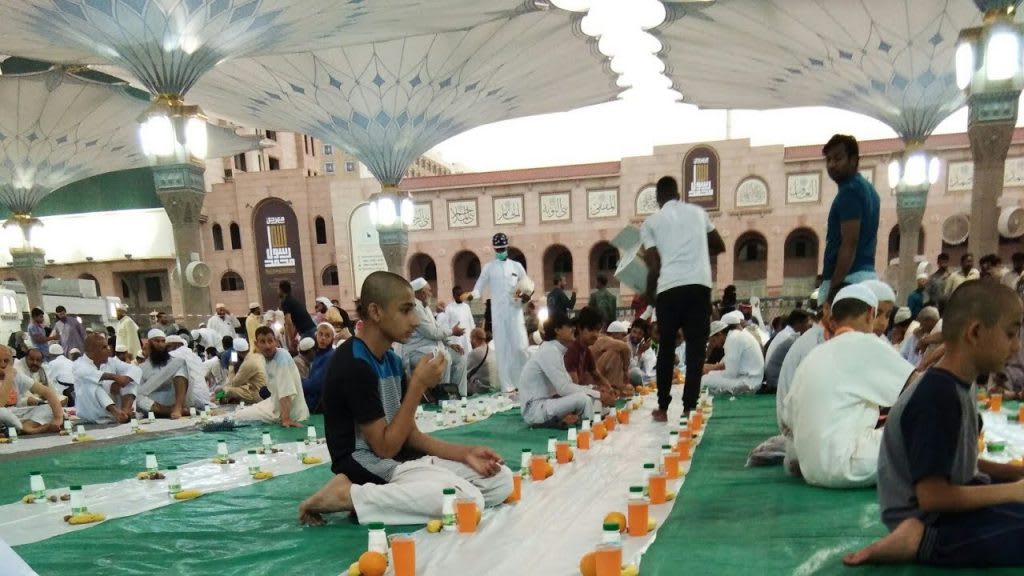
Fasting is the third fundamental pillar of Islam, refining a Muslim through spiritual struggle (mujahida) and discipline (riyazat), transforming them into a purified soul. Fasting was made obligatory for the Ummah of Prophet Muhammad (صلى الله عليه وسلم) on the 15th of Sha'ban in 2 AH. Allah (سبحانه وتعالى) declared:
فَمَنْ شَهِدَ مِنْكُمُ الشَّهْرَ فَلْيَصُمْهُ
"Whoever witnesses the month of Ramadan should fast it."
(Quran, Al-Baqarah 2:185)
The month of Ramadan holds superiority over all other months, as it is blessed with divine mercy. It was during this month that Allah revealed the Quran to the heart of His beloved Prophet (صلى الله عليه وسلم). With Ramadan’s arrival, gates of mercy open, hearts incline toward worship, and worldly distractions fade. Evil is restrained: devils are chained, Hellfire is sealed, Paradise is opened, and the punishment of graves is suspended.
Read More: Rozay Kay Zarori Masail
Objective of Fasting: Attaining Taqwa (Piety)
Allah states in the Quran:
يَا أَيُّهَا الَّذِينَ آمَنُوا كُتِبَ عَلَيْكُمُ الصِّيَامُ كَمَا كُتِبَ عَلَى الَّذِينَ مِن قَبْلِكُمْ لَعَلَّكُمْ تَتَّقُونَ
"O believers! Fasting is prescribed for you—as it was for those before you—so perhaps you will attain piety."
(Quran, Al-Baqarah 2:183)
The ultimate goal of fasting is to cultivate taqwa (God-consciousness). While piety can be sought through other acts of worship, Ramadan uniquely disciplines the soul by curbing worldly desires. Fasting burns away greed, lust, and materialism, empowering the spirit and weakening the ego. Only through such spiritual rigor can the heart become receptive to divine light.
Essence of Fasting
Fasting is not merely abstaining from food, drink, and intimacy. Its true essence lies in avoiding all sinful acts—lying, backbiting, anger, and corruption. The Prophet (صلى الله عليه وسلم) warned:
مَنْ لَمْ يَدَعْ قَوْلَ الزُّورِ وَالْعَمَلَ بِهِ فَلَيْسَ لِلَّهِ حَاجَةٌ فِي أَنْ يَدَعَ طَعَامَهُ وَشَرَابَهُ
"Whoever does not abandon false speech and evil actions, Allah has no need for their hunger and thirst."
(Bukhari)
Ramadan trains believers to abandon sins permanently. By restraining from lawful pleasures for Allah’s sake, one gains the strength to resist unlawful temptations year-round.
Benefits of Fasting
Patience and Reflection: Enduring hunger and thirst instills patience. An empty stomach purifies the body and sharpens the mind. Luqman (عليه السلام) advised his son:
"When the stomach is full, thought sleeps, wisdom is silenced, and limbs neglect worship."
Health Benefits: Fasting detoxifies the digestive system, improves metabolism, and prevents diseases caused by overeating. It balances bodily fluids and enhances liver function.
Read More: Roza Ki Fazilat
Virtues and Rewards
Forgiveness of Sins:
The Prophet (صلى الله عليه وسلم) said:
مَنْ صَامَ رَمَضَانَ إِيمَانًا وَاحْتِسَابًا غُفِرَ لَهُ مَا تَقَدَّمَ مِنْ ذَنْبِهِ
"Whoever fasts Ramadan with faith and hope will have their past sins forgiven."
(Bukhari)
Two Joys for the Fasting Person:
لِلصَّائِمِ فَرْحَتَانِ: فَرْحَةٌ عِنْدَ فِطْرِهِ، وَفَرْحَةٌ عِنْدَ لِقَاءِ رَبِّهِ
"The fasting person experiences two joys: one at breaking the fast, and another when meeting their Lord."
(Muslim)
Entry Through Bab al-Rayyan:
A special gate in Paradise, reserved exclusively for those who fasted. The Prophet (صلى الله عليه وسلم) said:
إِنَّ فِي الْجَنَّةِ بَابًا يُقَالُ لَهُ الرَّيَّانُ، يَدْخُلُ مِنْهُ الصَّائِمُونَ يَوْمَ الْقِيَامَةِ
"In Paradise, there is a gate called Ar-Rayyan. Only those who fasted will enter through it."
(Muslim)
Freedom from Hellfire:
Every night in Ramadan, Allah frees 10,000 souls destined for Hell.
Divine Acceptance of Duas:
A fasting person’s supplication at Iftar, a just ruler’s prayer, and a victim’s plea are never rejected.
Unique Reward from Allah:
الصِّيَامُ لِي وَأَنَا أَجْزِي بِهِ
"Fasting is for Me, and I alone will reward it."
(Bukhari)
Final Reminder
Fasting transcends physical abstinence. It demands moral integrity, kindness, and sincerity. The Prophet (صلى الله عليه وسلم) cautioned:
كَمْ مِنْ صَائِمٍ لَيْسَ لَهُ مِنْ صِيَامِهِ إِلَّا الْجُوعُ وَالْعَطَشُ
"Many fasters gain nothing but hunger and thirst."
(Ibn Majah)
About the Creator
Jamia Saeedia Darul Quran
Jamia Saeedia Darul Quran is a renowned Islamic institution dedicated to Quranic education, Hadith, and Islamic teachings. Serving for over 25 years, it nurtures students with religious and academic knowledge.
Keep reading
More stories from Jamia Saeedia Darul Quran and writers in Proof and other communities.
Ramadan Mubarak 2025
Ramadan Mubarak! As the crescent moon graces the evening sky, Muslims worldwide welcome the sacred month of Ramadan with devotion and reflection. This holy period, commemorating the first revelations of the Quran to Prophet Muhammad (PBUH), is a time for fasting, prayer, charity, and spiritual growth. Here’s how you can share the spirit of Ramadan with your loved ones through meaningful wishes and messages.
By Jamia Saeedia Darul Quran12 months ago in Proof
Savory Cocktails: Unlocking the Umami Magic of Tomato and Herb Flavors
Savory cocktails are the bold rebels of the cocktail world. They don’t chase sweetness or fruity freshness. Instead, they dive deep into rich, complex flavors that tease your palate with umami, salt, and herbal notes. If you’ve ever wondered how to turn a drink into a full-on flavor experience that feels like a gourmet meal in a glass, savory cocktails are your ticket.
By Marcus Petrov4 days ago in Proof
Why Infrastructure Spending Is Becoming a Strategic Weapon?
A decade ago, infrastructure spending rarely captured headlines outside engineering circles. Data centers, network cables, semiconductor fabs, and cloud capacity were viewed as background mechanics — essential but largely invisible to users and investors alike.
By Samantha Blake3 days ago in Proof
Review of 'Man on the Run'
My wife and I saw Man on the Run, a nearly 2-hour documentary on Amazon Prime, about Wings, Paul McCartney's group that flew around the world from shortly after The Beatles broke up in early 1970 to shortly after John Lennon was murdered at the end of 1980, making a Beatles reunion forever impossible.
By Paul Levinsonabout 17 hours ago in Beat




Comments
There are no comments for this story
Be the first to respond and start the conversation.