
Eastern European Spirits in Modern Mixology
Discover how historic liquors like vodka, slivovitz, and rakia are finding new life in today’s cocktail scene

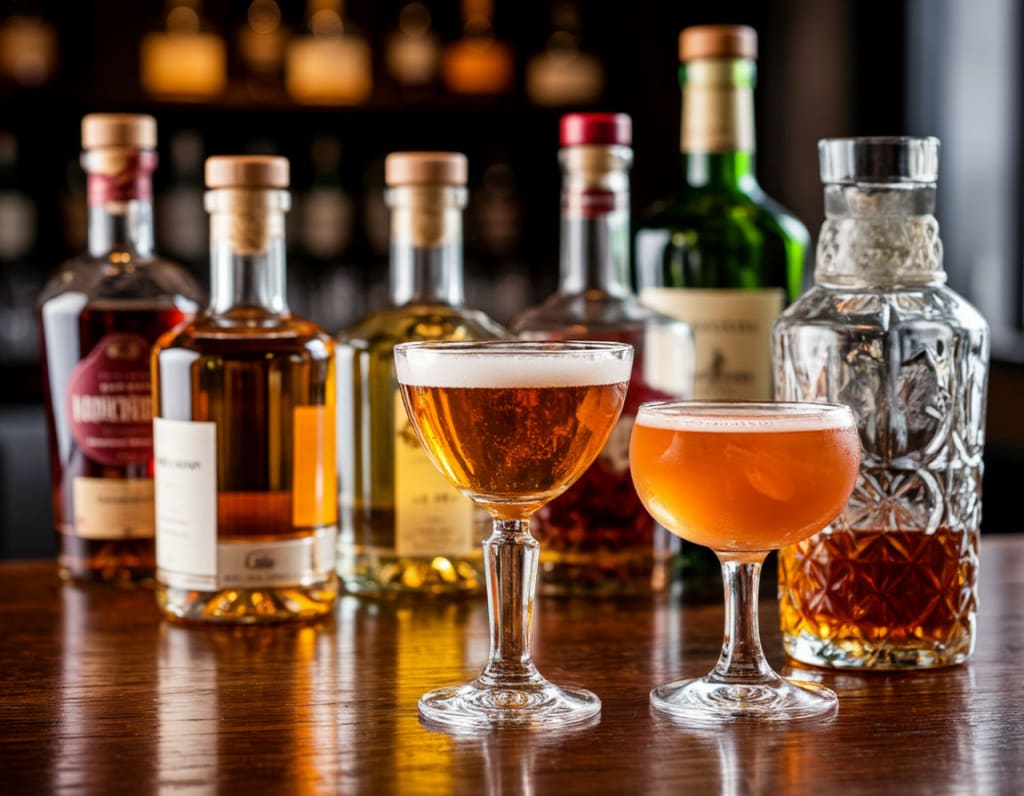
For years, Eastern European spirits were often overshadowed by Western staples like whiskey, rum, and gin. But today, the tide is turning. Bartenders and mixologists around the world are rediscovering the depth, complexity, and cultural heritage of traditional Eastern European liquors — and they’re using them to craft bold, exciting cocktails.
From the clean neutrality of Polish vodka to the robust fruitiness of Balkan rakia and the smoky edge of Hungarian pálinka, Eastern European spirits offer a wide range of flavor profiles. These spirits, deeply rooted in tradition and often tied to small-scale distillation practices, are now taking center stage in modern mixology.
A Rich Heritage in Every Bottle
Eastern Europe boasts a long and diverse history of distillation. In countries like Serbia, Bulgaria, Romania, and Ukraine, making fruit brandies at home is a ritual passed down through generations. These spirits — often distilled from plums, cherries, apricots, and even quince — form the backbone of communal gatherings, celebrations, and family traditions.
Vodka, the region’s most famous export, has an equally deep cultural significance. While commercial vodka can sometimes be dismissed as bland, artisanal Eastern European vodkas — whether wheat-based, rye-based, or potato — often reveal subtle sweetness, spice, or minerality. When treated with respect, vodka is far more than a neutral mixer; it becomes a versatile and refined cocktail base.
Spirits to Know (and Mix With)
Vodka (Russia, Poland): Still a global favorite, but especially prized in its purer, smaller-batch forms. Works well in everything from citrus-forward drinks to spicy infusions.
Slivovitz (Balkans): A plum brandy with bold aroma and warmth. Adds richness to sours, toddies, and even Negroni-style drinks.
Rakia (Bulgaria, Serbia): Similar to slivovitz, but with more regional variations — apricot, quince, or grape rakia each bring different layers to a cocktail.
Pálinka (Hungary): Fruit-forward, fragrant, and fiery. Can be paired with vermouths or used in place of gin for a herbal twist.
Zubrowka (Poland): Bison grass vodka, lightly sweet with notes of vanilla and hay. Excellent in highballs or with apple juice.
These spirits aren’t just substitutes for more common liquors — they open the door to entirely new cocktail profiles. The slight funkiness of fruit brandies, for instance, contrasts beautifully with bitter elements or citrus, making them a smart choice for mixologists looking to push boundaries.
From Tradition to Innovation
Today’s cocktail bars are embracing regional spirits not only for their uniqueness but for the stories they tell. A drink with pálinka or slivovitz is often a conversation starter, leading curious drinkers to learn more about its origins.
Some bartenders are creating modern twists on classics using these spirits — think a Rakia Sour with lemon and honey, or a Vodka Old Fashioned with caraway bitters. Others are designing entirely new drinks built around traditional flavors, pairing them with Eastern European ingredients like dill, pickled cherry juice, or smoked paprika.
Eastern European spirits also lend themselves well to seasonal cocktails. A hot cherry rakia punch is perfect for winter gatherings, while a cold cucumber-vodka spritz offers refreshing relief on a hot summer day.
Getting Started with Eastern Spirits
If you're new to these liquors, don’t worry — many of them are surprisingly mixable. Start simple: swap vodka for a bison grass version in your next Mule, or try slivovitz in a Manhattan-style drink with sweet vermouth and bitters. The goal is to let the spirit shine while introducing complementary elements.
Want inspiration? Explore our handpicked collection of cocktail recipes with Eastern European spirits to find drinks that are approachable, elegant, and rich in cultural character.
Bold Flavors, New Frontiers
Eastern European spirits are no longer the hidden treasures of a region — they’re becoming staples on cocktail menus from London to Los Angeles. With their distinctive profiles and deep-rooted traditions, they offer endless potential for creative mixology.
Whether you’re mixing at home or ordering at your favorite bar, don’t overlook these historic liquors. They may just become your next obsession — and transform the way you think about cocktails.
About the Creator
Ava Mitchell
Spirits writer and editor, focusing on cocktail culture and trends.
Keep reading
More stories from Ava Mitchell and writers in Proof and other communities.
Tropical Escapes: Island-Inspired Drinks to Make at Home
There’s something magical about tropical cocktails — the way they transport you instantly to a white-sand beach, the sound of waves in the background, a warm breeze carrying notes of pineapple, coconut, and citrus. Even if you're nowhere near the ocean, mixing up an island-inspired drink at home can feel like a mini vacation in a glass.
By Ava Mitchell9 months ago in Proof
Matcha Cocktails: Green Tea Drinks with a Kick
Matcha isn’t just for your morning latte anymore. This vibrant green powder, made from finely ground Japanese green tea leaves, has stormed the cocktail world with its earthy flavor, bright color, and health perks. If you’re looking for a refreshing drink that packs antioxidants and a gentle caffeine boost, matcha cocktails are your new best friend.
By Andrea Martinez7 days ago in Proof
Cosmic Cocktails: Galaxy-Inspired Drinks to Dazzle Your Night
When it comes to cocktails, sometimes you want to shoot for the stars—literally. Galaxy cocktails have taken the bar scene by storm, dazzling drinkers with shimmering colors, swirling patterns, and out-of-this-world flavors. These cosmic cocktails look like they were plucked from a nebula, glowing softly with iridescent hues that shift from deep purples to electric blues and shimmering silvers. They’re the perfect drinks for anyone who wants to add a little magic and mystery to their night.
By Vivian Chen5 days ago in Proof
The BAFTA Awards
By now, in a stunning departure from recent years, most of the world is aware of what happened at the BAFTA film awards. Social Media Headlines will tell you the bare bones: that John Davidson, a Tourette's Syndrome advocate, shouted a racial slur at two Actors of Colour, Michael B Jordan and Delroy Lindo.
By Natasja Rose2 days ago in Psyche



Comments
There are no comments for this story
Be the first to respond and start the conversation.