
Difference between a Sea and an Ocean, other than their size
Exploring the Key Distinctions Beyond Size


When you think of Earth's vast water bodies, the terms "sea" and "ocean" often come to mind. While these words are sometimes used interchangeably, they refer to different geographical and ecological entities. Although size is an obvious distinction, seas and oceans differ in various ways, from their location and depth to their biodiversity and impact on the environment. This blog will dive deeper into the fundamental differences between seas and oceans, shedding light on their unique characteristics.
---
What is a Sea?
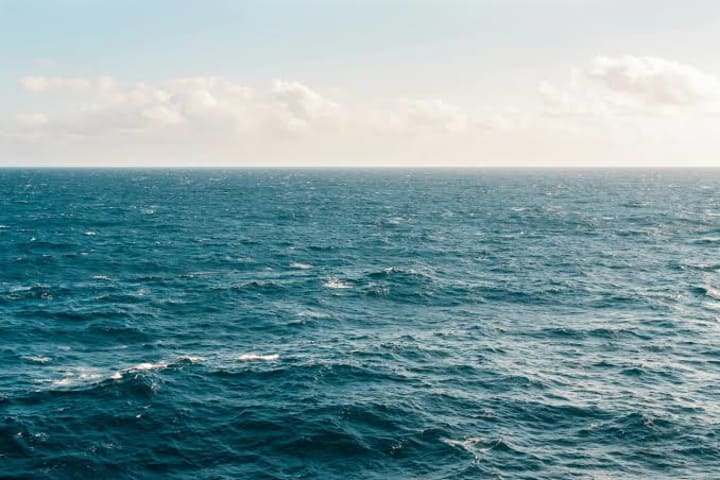
A sea is a large body of saltwater that is partially or completely enclosed by land. Seas are smaller than oceans and are often located where land and ocean meet. They are typically connected to an ocean and can sometimes form part of larger water systems. Examples include the Mediterranean Sea, the Baltic Sea, and the Caribbean Sea.
Because seas are often bordered by coastlines, they are influenced by terrestrial ecosystems and are more accessible to humans. These proximity factors contribute to the diverse life forms found in seas, as well as their economic and cultural importance.
---
What is an Ocean?

Oceans are massive, continuous bodies of saltwater that cover over 71% of the Earth’s surface. Unlike seas, oceans are not enclosed by land but span across vast areas, linking continents and forming a global water network. There are five major oceans: the Pacific, Atlantic, Indian, Southern, and Arctic.
Oceans are characterized by their immense depth and size. For instance, the Pacific Ocean is the largest, covering more than 168 million square kilometers, and contains the deepest point on Earth—the Mariana Trench, which plunges over 11,000 meters below the surface.
---
Key Differences Between Seas and Oceans
1. Geographical Location and Enclosure
Seas are generally found near coastlines and are partially enclosed by land, which often creates sheltered environments. For example, the Mediterranean Sea is surrounded by Europe, Asia, and Africa, while the Red Sea lies between northeastern Africa and the Arabian Peninsula.
Oceans, on the other hand, are open expanses of water that connect continents. They form the backbone of the Earth's water cycle, with no geographical boundaries limiting their expanse.
2. Depth and Volume
Another critical difference lies in their depth and volume. Oceans are much deeper than seas, with an average depth of around 3,700 meters. Seas, being shallower, allow more sunlight to penetrate, creating environments favorable for marine life near the surface.
This difference in depth also influences ecosystems. For instance, the deep ocean is home to unique creatures adapted to high-pressure, low-light conditions, while seas harbor coral reefs and diverse coastal species.
3. Biodiversity and Ecosystems
Seas are often biodiverse because of their proximity to land and the availability of nutrients from rivers and streams. Coral reefs, mangroves, and seagrass beds are common in seas, offering habitats to countless marine species. For example, the Caribbean Sea is renowned for its colorful coral reefs and tropical fish.
Oceans also support diverse life forms but are dominated by species adapted to pelagic (open water) or deep-sea environments. Unique organisms such as bioluminescent fish and giant squids thrive in the dark, cold depths of the ocean.
4. Salinity and Water Composition
Seas often have higher salinity levels due to restricted water flow and high evaporation rates. For example, the Red Sea and the Dead Sea are known for their high salinity, making them unique aquatic environments.
Oceans, in contrast, maintain a more stable average salinity of about 3.5%. This uniformity is due to their vast size and constant mixing of waters through global currents.
5. Climate Influence
Oceans play a significant role in regulating the Earth’s climate. They act as heat reservoirs, absorbing and redistributing solar energy through currents like the Gulf Stream and the Humboldt Current. This movement moderates global temperatures and impacts weather patterns.
Seas, while smaller, influence regional climates. Coastal areas near seas often experience moderated weather conditions, such as milder winters and cooler summers, due to the heat-retaining properties of water.
6. Human Interaction and Impact
Seas have been central to human activity for millennia. They serve as vital hubs for trade, fishing, tourism, and cultural exchange. The Mediterranean Sea, for instance, has long been a cradle of civilizations and a conduit for commerce.
Oceans, although more remote, are critical for global trade, resource extraction, and scientific exploration. Deep-sea mining, oil drilling, and large-scale fishing occur in oceans, impacting marine ecosystems on a much larger scale.
---
Conclusion
While size is the most apparent difference between seas and oceans, their distinctions go far beyond mere dimensions. Seas are smaller, shallower, and more enclosed by land, making them rich in biodiversity and more directly connected to human activities. Oceans, on the other hand, are vast, deep, and interconnected, shaping global ecosystems and influencing the planet’s climate.
Understanding these differences underscores the importance of conserving both seas and oceans. Together, they form an intricate network that supports life on Earth, highlighting their critical role in maintaining ecological balance and sustaining human livelihoods.
About the Creator
Keep reading
More stories from INFO INSIDER and writers in Proof and other communities.
8 Unique Animals That Give Birth Through Their Mouths
Reproduction in the animal kingdom often surprises us with its diversity and creativity. While most species follow conventional methods of giving birth, a few have developed extraordinary adaptations to ensure the survival of their young. Among these marvels are animals that seemingly “give birth” through their mouths. This phenomenon, often involving mouth-brooding or specialized reproductive behaviors, is rare but fascinating. In this blog, we explore eight unique animals known for this remarkable strategy.
By INFO INSIDER about a year ago in Proof
Spiced Cocktails to Warm Your Winter Nights
Winter calls for drinks that wrap you up like a cozy blanket. Spiced cocktails, with their rich aromas and warm flavors, are the perfect remedy for chilly evenings. Imagine the scent of cinnamon, clove, nutmeg, and allspice swirling in your glass, teasing your senses before the first sip. These spices don’t just add flavor — they bring a comforting warmth that feels like a hug from the inside out.
By Marcus Petrov2 days ago in Proof
Savory Cocktails: Unlocking the Umami Magic of Tomato and Herb Flavors
Savory cocktails are the bold rebels of the cocktail world. They don’t chase sweetness or fruity freshness. Instead, they dive deep into rich, complex flavors that tease your palate with umami, salt, and herbal notes. If you’ve ever wondered how to turn a drink into a full-on flavor experience that feels like a gourmet meal in a glass, savory cocktails are your ticket.
By Marcus Petrov4 days ago in Proof
Review of 'Man on the Run'
My wife and I saw Man on the Run, a nearly 2-hour documentary on Amazon Prime, about Wings, Paul McCartney's group that flew around the world from shortly after The Beatles broke up in early 1970 to shortly after John Lennon was murdered at the end of 1980, making a Beatles reunion forever impossible.
By Paul Levinsonabout 23 hours ago in Beat




Comments
There are no comments for this story
Be the first to respond and start the conversation.