
8 Unique Animals That Give Birth Through Their Mouths
Exploring the Fascinating Reproductive Strategies of Mouth-Brooding Creatures


Reproduction in the animal kingdom often surprises us with its diversity and creativity. While most species follow conventional methods of giving birth, a few have developed extraordinary adaptations to ensure the survival of their young. Among these marvels are animals that seemingly “give birth” through their mouths. This phenomenon, often involving mouth-brooding or specialized reproductive behaviors, is rare but fascinating. In this blog, we explore eight unique animals known for this remarkable strategy.
1. Jawfish

Jawfish are small, reef-dwelling fish known for their remarkable parenting skills. Male jawfish take on the responsibility of mouth-brooding. After the female lays eggs, the male collects them in his mouth, where he protects and aerates them until they hatch. During this time, the male refrains from eating, prioritizing the safety of his offspring over his own needs. When the eggs hatch, the fry are released from the mouth, giving the impression of “birth.”
2. Sea Catfish
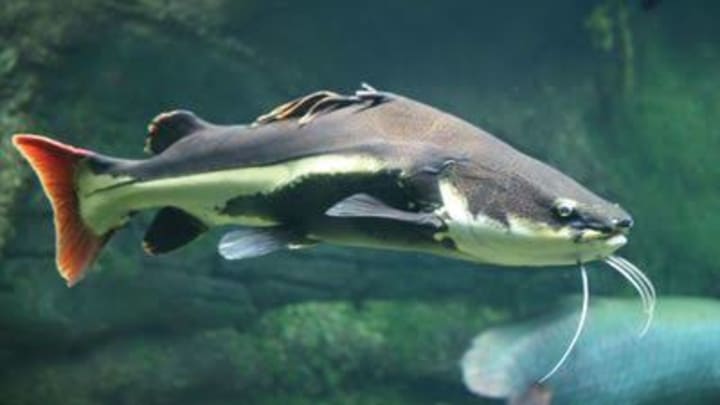
Male sea catfish also exhibit mouth-brooding behavior. After the female lays eggs, the male collects and incubates them in his mouth. The eggs are relatively large, which limits the number a male can carry. The young remain in the male’s mouth until they are fully developed, significantly increasing their chances of survival in the wild.
3. Bettas (Siamese Fighting Fish)

Betta fish, while primarily known for their vibrant colors and aggressive behavior, are also mouth-brooders in some species. Male bettas build bubble nests for their eggs, but in certain species, males incubate the eggs in their mouths. This adaptation protects the eggs from predators and environmental hazards, ensuring a higher survival rate.
4. Arowanas

Arowanas, often referred to as “dragon fish” due to their elongated bodies and large scales, are freshwater fish known for their mouth-brooding habits. Male arowanas carry fertilized eggs in their mouths until they hatch. Even after hatching, the fry often seek refuge in the male’s mouth when threatened, highlighting the protective role of mouth-brooding.
5. Cardinalfish

Cardinalfish are small, nocturnal reef fish that rely on mouth-brooding to safeguard their offspring. Male cardinalfish hold the eggs in their mouths, providing oxygen and protection until the larvae hatch. This method ensures the young are well-developed and ready to face the challenges of their environment.
6. Hitchhiker Pipefish
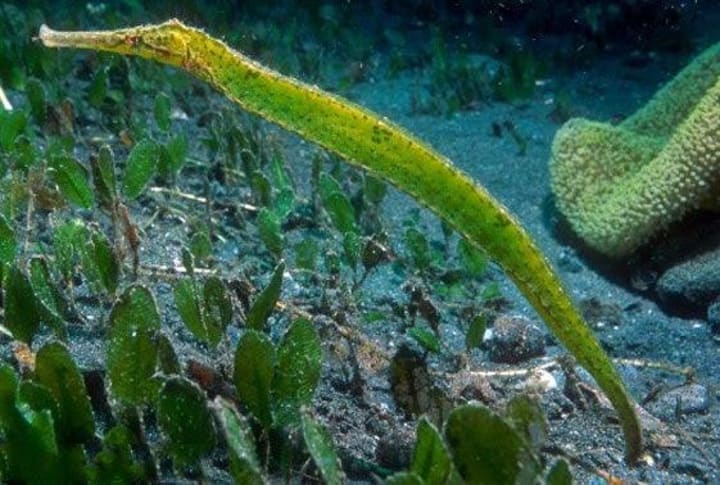
Closely related to seahorses, hitchhiker pipefish also exhibit mouth-brooding behavior. While seahorses are famous for male pregnancy, pipefish males take the responsibility of carrying fertilized eggs in their mouths. This adaptation showcases a unique example of parental care in the aquatic world.
7. Tilapia
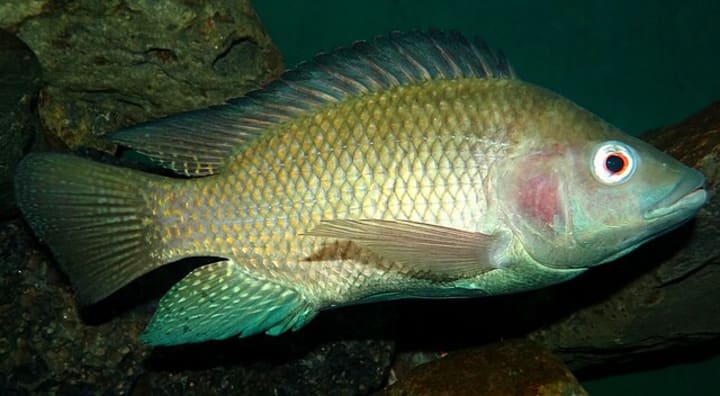
Tilapia, a popular fish in aquaculture, are also known for their mouth-brooding behavior. Female tilapias incubate fertilized eggs in their mouths, providing a safe environment for the embryos to develop. Once the eggs hatch, the fry may return to the mother’s mouth when threatened, offering additional protection.
8. Cichlids

Cichlids, a diverse family of freshwater fish, include several species that practice mouth-brooding. Both male and female cichlids can take on this role, depending on the species. Mouth-brooding cichlids exhibit remarkable dedication, often refusing food to ensure the safety of their young. This behavior enhances the survival rate of the offspring in their competitive habitats.
Why Mouth-Brooding?
Mouth-brooding offers several advantages to species that adopt this strategy. First and foremost, it provides a secure environment for developing eggs and fry, protecting them from predators and environmental hazards. Additionally, mouth-brooding ensures proper oxygenation of the eggs through the parent’s movements, which is vital for their development.
However, this reproductive strategy comes with challenges. Mouth-brooders often sacrifice their ability to feed during the incubation period, relying on stored energy reserves. This trade-off highlights the incredible dedication of these animals to their offspring’s survival.
Conclusion
The phenomenon of mouth-brooding is a testament to nature’s ingenuity. From jawfish and arowanas to tilapia and cichlids, these animals demonstrate extraordinary parental care by “giving birth” through their mouths. This unique adaptation not only ensures the survival of their young but also showcases the diversity of reproductive strategies in the animal kingdom.
By understanding these fascinating behaviors, we gain a deeper appreciation for the complexity and wonder of life on Earth. Mouth-brooding animals remind us that nature always finds creative ways to overcome challenges and nurture new generations.
About the Creator
Keep reading
More stories from INFO INSIDER and writers in Proof and other communities.
Can You Identify These Animals By Their Feet?
Have you ever noticed strange footprints while walking on a muddy path, sandy beach, or snowy trail? These marks are clues left behind by animals. By studying their tracks, you can tell what kind of animal passed by, how it moves, and even what it might be doing.
By INFO INSIDER about a year ago in Proof
Refresh Your Summer: Cucumber Cocktails for Hydrating and Light Enjoyment
When the sun is blazing and your thirst is calling, nothing hits the spot quite like a cucumber cocktail. These drinks are the perfect blend of hydrating freshness and light, invigorating flavors that make every sip a celebration of summer. Cucumber, with its crisp and clean profile, lends itself beautifully to cocktails that feel more like a cool breeze in a glass than a heavy tipple.
By Stella Rossi7 days ago in Proof
Cosmic Cocktails: Galaxy-Inspired Drinks to Dazzle Your Night
When it comes to cocktails, sometimes you want to shoot for the stars—literally. Galaxy cocktails have taken the bar scene by storm, dazzling drinkers with shimmering colors, swirling patterns, and out-of-this-world flavors. These cosmic cocktails look like they were plucked from a nebula, glowing softly with iridescent hues that shift from deep purples to electric blues and shimmering silvers. They’re the perfect drinks for anyone who wants to add a little magic and mystery to their night.
By Vivian Chen3 days ago in Proof




Comments
There are no comments for this story
Be the first to respond and start the conversation.