
Asian Twists: Sake, Yuzu, and Miso in Modern Mixology
Modern mixology is no stranger to bold experiments

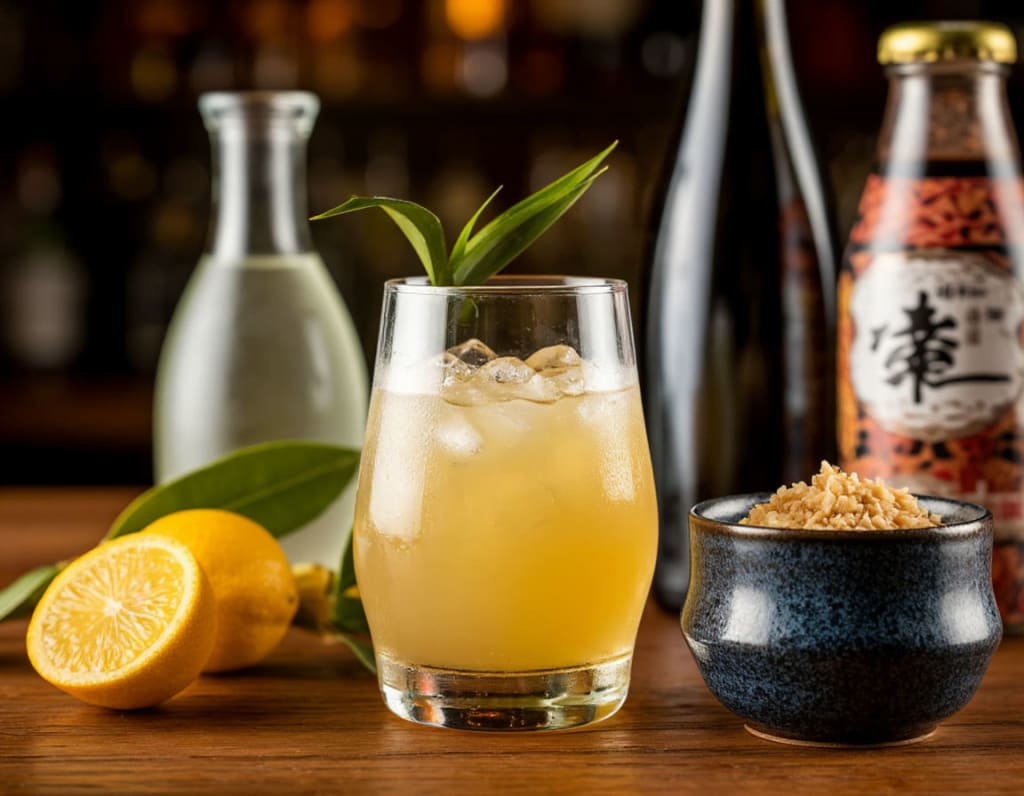
Modern mixology is no stranger to bold experiments, but in recent years, the influence of Asian ingredients—especially sake, yuzu, and miso—has taken cocktail culture in a new and exciting direction. No longer relegated to sushi pairings or high-end omakase experiences, these flavors are finding their way into highball glasses, coupes, and lowballs around the globe. The result? Cocktails that are delicate, umami-rich, and packed with nuance.
Sake: Subtle Elegance in a Glass
Sake, a traditional Japanese rice wine, brings softness and complexity to cocktails. With its low ABV and natural sweetness, sake can replace stronger spirits like gin or vermouth in lighter-style drinks. Mixologists love using junmai sake for its clean flavor, or daiginjo for its floral, fruit-forward notes.
Try it in a Sake Martini, where it softens the sharpness of vodka while adding depth, or in a Sake Mojito with mint and lime for a refreshing twist. Sake’s umami undertones also make it an excellent pairing with savory ingredients, opening doors for more culinary-style cocktails.
Yuzu: Bright, Exotic Citrus
Yuzu is a tart, aromatic citrus fruit commonly used in Japanese and Korean cuisine. Somewhere between a lemon, mandarin, and grapefruit, it has a floral nose and a sharp, invigorating taste. Yuzu juice or yuzu kosho (a spicy yuzu pepper paste) adds zest to otherwise familiar drinks.
Mixologists have embraced yuzu in everything from Yuzu Margaritas to Yuzu Collins. Its complex acidity lifts drinks without overpowering them, making it a go-to for bartenders who want to introduce surprise and brightness. Yuzu pairs particularly well with gin, vodka, and sparkling wine.
Miso: The Unexpected Umami Star
Yes, miso — that fermented soybean paste you associate with soup — is having a moment behind the bar. Its salty, savory profile adds richness and complexity to cocktails, much like salt does in cooking. Miso can be used in syrup infusions, fat-washing spirits, or even in foam toppings.
A Miso Maple Old Fashioned, for instance, balances sweet, earthy maple syrup with the deep, savory notes of white miso paste. In a Miso Sour, the umami depth harmonizes with lemon and whiskey, creating a totally unexpected but balanced cocktail. The key is to use miso sparingly — a little goes a long way.
Why These Flavors Work
What makes sake, yuzu, and miso so exciting is how they defy traditional Western cocktail expectations. Instead of relying solely on sweetness or bitterness, these ingredients bring sourness, saltiness, and umami into the equation, creating a more rounded and layered experience.
This shift also reflects a broader global trend: the integration of culinary techniques and flavor profiles into drinks. Chefs and bartenders alike are treating cocktails like dishes — complete with balancing elements, contrasting textures, and cultural references.
East Meets West: Signature Combinations
The fusion of Eastern ingredients with Western spirits is producing some of the most innovative drinks on the menu. Think Yuzu Negroni, where the traditional Campari bitterness is offset by the citrusy punch of yuzu juice. Or a Sake Spritz, combining sake, elderflower, and soda for a lighter alternative to the Aperol version.
Miso, on the other hand, is being used in adventurous creations like the Miso Espresso Martini, where it enhances coffee liqueur’s depth. It’s also showing up in savory bloody mary riffs and in clarified milk punches for a uniquely creamy texture.
For more Asian-inspired cocktail recipes and expert bartender tips, explore our modern mixology guide.
Flavor-Driven Innovation
As cocktail culture continues to evolve, the inclusion of ingredients like sake, yuzu, and miso is more than a trend — it’s part of a movement toward intentional, globally inspired mixology. These flavors challenge the palate and elevate the drink experience.
So next time you’re behind the bar or ordering something new, don’t be surprised if that exotic zing or umami finish comes from one of Asia’s most iconic ingredients. Embrace it — your taste buds will thank you.
About the Creator
Aisha Patel
A cocktail educator and author, known for her focus on sustainable mixology. She advocates for eco-friendly practices in the bar industry and teaches others how to create delicious cocktails with minimal environmental impact.
Keep reading
More stories from Aisha Patel and writers in Proof and other communities.
The Art of Smoke: How to Add Smoky Flavor at Home
There’s something undeniably alluring about the flavor of smoke — rich, earthy, and evocative. It brings depth, warmth, and a sense of ritual to cocktails, transforming ordinary drinks into dramatic sensory experiences. While smoky cocktails have long been the domain of craft bars, the good news is that you can easily bring this element into your home mixology without a professional setup. All you need is a few tools, some creativity, and a willingness to play with fire — safely, of course.
By Aisha Patel9 months ago in Proof
Actor Lukas Gage joined Jameson Irish Whiskey and KidSuper designer Colm Dillane to Celebrate St. Patrick’s Season for a pre-holiday kick off party in Brooklyn
The collaboration between KidSuper and Jameson Irish Whiskey shows how the holiday is moving beyond bars and into fashion driven culture spaces. by NWO Sparrow
By NWO SPARROWa day ago in Proof
Cryptocurrency Explained: Pros and Cons of Investing – A Guide by Topwaynews
Cryptocurrency has become one of the most talked-about financial innovations of the modern era. Over the past decade, digital currencies have transformed the way people think about money, online transactions, and investments. From individual investors to major financial institutions, interest in cryptocurrency continues to grow worldwide. However, before investing in digital assets, it is important to understand how cryptocurrencies work and what benefits and risks they carry. This guide by Topwaynews explains the basics of cryptocurrency along with its major advantages and disadvantages for investors.
By Pink salt wall3 days ago in Proof
A Transparent Look at Vocal Challenges and Top Stories
Almost three years ago, we shared a resource article that served as a place for people to suggest new challenge prompts. We thought it would be a good idea to refresh that thread, and take the opportunity to answer a few common questions about top stories, how challenges are judged and how submissions are reviewed.
By Vocal Curation Team3 days ago in Resources


Comments (1)
Asian ingredients are really shaking up cocktail culture. Sake, yuzu, and miso add unique flavors. I've tried some great drinks with them.