
Acidity in Cocktails: Not Just About Lemons and Limes
Explore alternative acids that balance and brighten your drinks beyond the citrus norm

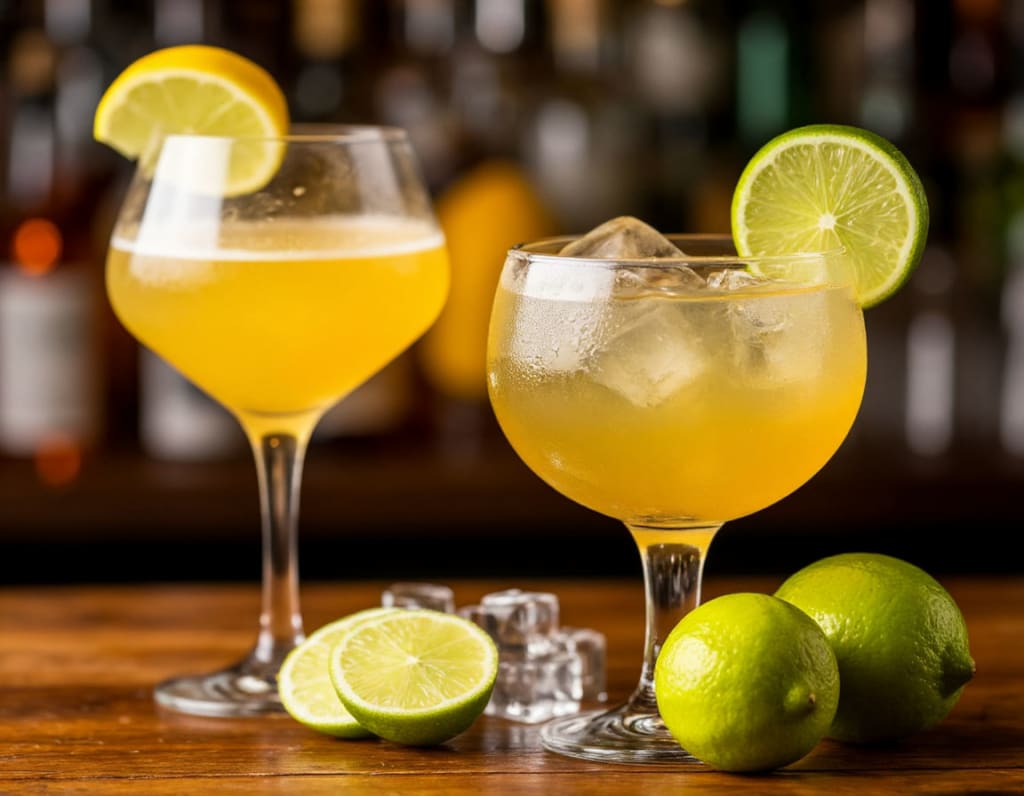
Acidity is the sharp, refreshing backbone of most great cocktails. It lifts the sweetness, cuts through richness, and brings balance to the glass. Most of us associate acidity with lemon or lime juice — and with good reason. These citrus fruits are bar staples for a reason: they’re bright, accessible, and incredibly versatile.
But limiting your acid options to lemons and limes means missing out on a world of flavors and textures that other acidic ingredients can offer. Whether you're a home bartender or a professional, exploring new sources of acidity can unlock creative possibilities and redefine the way you build your drinks.
The Role of Acidity in Cocktails
In cocktail-making, acidity is essential. It provides:
Balance: Cutting through sugar and alcohol
Freshness: Keeping the drink lively and crisp
Structure: Giving body and mouthfeel to lighter spirits
Complexity: Enhancing flavor depth when used strategically
The classic sour formula — spirit, sweetener, and acid — depends on this harmony. But you don’t have to stop at lemons and limes to achieve it.
Alternative Acids That Deserve a Place in Your Bar
1. Vinegar (Shrubs)
Fruit-infused vinegars (known as shrubs) are gaining popularity as both a non-alcoholic option and a flavor powerhouse in cocktails. Apple cider vinegar, balsamic, or white wine vinegar offer acidity with complexity and depth.
Use in:
Gin and shrub spritzers
Whiskey vinegar sours
Rum cocktails with a fruity balsamic shrub
2. Verjus
Verjus is the tart juice of unripe grapes — less aggressive than vinegar and gentler than lemon, with a soft acidity. It pairs beautifully with white spirits and floral liqueurs, offering a rounded and elegant tartness.
Try it in:
A Verjus Gimlet with gin and elderflower
Low-ABV aperitifs or mocktails
3. Tamarind
Popular in Southeast Asian and Latin American cuisines, tamarind offers a deep, tangy-sour flavor with a hint of sweetness and umami. It’s especially great in bold cocktails where citrus would get lost.
Best in:
Tequila or mezcal drinks
Tiki-style punches
Bourbon-tamarind sours
4. Citric, Malic, and Lactic Acid Powders
Modern bartenders often turn to powdered acids to fine-tune drinks without adding liquid. Citric acid (found in lemons), malic (from apples), and lactic (from yogurt or fermented products) can each add a targeted type of acidity and help balance sweetness with precision.
Use sparingly in:
Clarified cocktails
High-concept bar menus
Zero-waste or minimal-ingredient drinks
To learn how these acids can fit into your own cocktail experiments, explore our advanced guide to cocktail structure, packed with recipes and pairing ideas.
Using Acidity for Flavor, Not Just Balance
Acidity doesn’t only serve structure — it also adds personality. Think of it like seasoning. The right kind of acid can make fruity flavors pop, highlight herbal notes, or make a cocktail feel juicy without being sweet.
Some tips:
Match acid types to the drink's core character. Tamarind for earthy, smoky drinks; verjus for crisp, botanical ones.
Don’t forget texture. Lactic acid brings a creamy roundness, while vinegar adds a snappy bite.
Acid can also be used in small amounts as a modifier, not a main ingredient — a few drops can wake up an otherwise flat cocktail.
Final Thoughts: Expand Your Acid Arsenal
Great cocktails are a balance of tension and harmony — and acidity is the ingredient that creates that magic. But there’s no rule that says you have to stick with lemon or lime. By expanding your acid repertoire, you open up new flavor dimensions and create drinks that surprise, delight, and linger in memory.
So next time you mix a sour or spritz, ask yourself: Could this be better with verjus? A splash of shrub? A tamarind kick?
Explore more acidity-forward recipes and innovations in our creative cocktail library, and elevate your next drink beyond the citrus squeeze.
About the Creator
Ava Mitchell
Spirits writer and editor, focusing on cocktail culture and trends.
Keep reading
More stories from Ava Mitchell and writers in Proof and other communities.
DIY Bitters: Simple Recipes to Start With
Bitters may be used in drops, but their impact on cocktails is enormous. These highly concentrated infusions of herbs, roots, spices, and fruits are the seasoning agents of the bar — a dash here, a drop there, and suddenly your drink has complexity, balance, and character. While store-bought bitters like Angostura or Peychaud’s are staples, there’s something deeply rewarding (and surprisingly easy) about making your own.
By Ava Mitchell9 months ago in Proof
The Bottle I Was Afraid to Open
I am not a whiskey person. In fact, I’m barely an alcohol person at all. I might have a drink once or twice a year—usually at a wedding, a holiday dinner, or when someone insists I “at least try it.” Even then, I’m the person who nurses the same glass for an hour while everyone else orders a second round.
By Jhon smith4 days ago in Proof
At Will
Section 1 Pollen and the bright sun anesthetized color - muting almost every color to its equivalent shade in pastels. James stood by the window of his apartment at Bayside Village, adjusting his tie and checking the time - it was 8:30 AM. On his phone, a message from the Recruiting Agency, Eastridge. Cassie assured him that the partners at Sidley Austin, a corporate law firm, had asked for him by name - which never happened so he should be excited. It was a request that had never occurred in his ten years as a paralegal, a sudden, specific gravity pulling him into their orbit.
By James Royer2 days ago in Proof


Comments (1)
I never knew vinegar and verjus could be used in cocktails. Gonna try these alternative acids to mix up my drink recipes.