
A Complete Guide to Whisky From Around the World
Everything you to to know to get started as a whisky buff or simply choose your perfect tipple.


Whisky (or whiskey, depending on the region) is one of the world’s most beloved spirits, with a rich history and diverse production methods across different countries. Each style has unique characteristics shaped by local traditions, ingredients, and aging processes. Below, we explore the major types of whisky from around the world, comparing their flavors, production techniques, and cultural significance.
1. Scotch Whisky (Scotland)
Scotch is the most famous whisky style, legally defined by strict regulations. It must be:
- Made in Scotland
- Aged in oak casks for at least three years
- Distilled to no more than 94.8% ABV
- Bottled at a minimum of 40% ABV
Subcategories of Scotch Whisky:
a. Single Malt Scotch
- Made from 100% malted barley at a single distillery.
- Typically aged in ex-bourbon or sherry casks.
- Flavor profile: Smoky, peaty (especially from Islay), fruity, or honeyed (Highlands/Speyside).
Examples: Lagavulin, Glenfiddich, Macallan.
b. Blended Scotch
- A mix of malt and grain whiskies from multiple distilleries.
- Smoother and more approachable than single malts.
Examples: Johnnie Walker, Chivas Regal, Dewar’s.
c. Single Grain Scotch
- Made from grains other than barley (corn, wheat).
- Lighter and often used in blends.
Examples: Haig Club, Cameron Brig.
d. Blended Malt Scotch
- A mix of single malts from different distilleries (no grain whisky).
Examples: Monkey Shoulder.
Key Differences in Scotch Regions:
Islay: Heavy peat smoke, medicinal notes.
Speyside: Sweet, fruity, honeyed.
Highlands: Diverse, from light to rich.
Lowlands: Light, floral, grassy.
Campbeltown: Briny, slightly smoky.
2. Irish Whiskey (Ireland)
- Irish whiskey is typically triple-distilled, making it smoother than Scotch. Key features:
- Must be aged at least three years in wooden casks.
- Often made from a mix of malted and unmalted barley (giving a creamy texture).
- Generally unpeated (though exceptions exist).
Types of Irish Whiskey:
- Single Malt: 100% malted barley, one distillery (e.g., Bushmills).
- Single Pot Still: Unique to Ireland, mix of malted/unmalted barley (e.g., Redbreast).
- Blended Irish Whiskey: Mix of grain and malt (e.g., Jameson).
- Single Grain: Made from corn/wheat (e.g., Teeling Single Grain).
Flavor Profile: Smooth, light, with notes of vanilla, honey, and spice.
3. American Whiskey (USA)
American whiskey is a diverse category, with significant differrences between regions and styles.
Categories of American Whisky:
- a. Bourbon
- Must be made from at least 51% corn.
- Aged in new charred oak barrels.
- Sweet, with caramel, vanilla, and oak notes.
Examples: Maker’s Mark, Buffalo Trace.
b. Tennessee Whiskey
- Similar to bourbon but filtered through sugar maple charcoal (Lincoln County Process).
- Smoother, with a slight charcoal influence.
Example: Jack Daniel’s.
c. Rye Whiskey
- Must be at least 51% rye grain.
- Spicy, peppery, drier than bourbon.
Examples: Bulleit Rye, Rittenhouse.
d. Corn Whiskey
- Made from at least 80% corn.
- Often unaged or aged in used barrels.
Example: Mellow Corn.
e. American Single Malt
- Emerging category, 100% malted barley.
Examples: Westland, Stranahan’s.
f. Moonshine
- Un-aged whisky
- Often sold with a higher alcohol content
- Traditionally distilled by amateurs and dating back to prohibition, but can bought from commercial distillers.
4. Canadian Whisky
- Typically lighter and smoother due to high rye content.
- Often blended for consistency.
Examples: Crown Royal, Canadian Club.
Flavor Profile: Light, smooth, with subtle spice and caramel.
5. Japanese Whisky
- Inspired by Scotch but with meticulous craftsmanship.
- Often aged in Mizunara oak (imparts sandalwood and coconut notes).
Examples: Yamazaki, Hibiki, Nikka.
Flavor Profile: Balanced, refined, with fruity and smoky elements.
6. Other World Whiskies
a. Indian Whisky
- Often made from molasses (classified as “whisky” locally).
- Some single malts rival Scotch (e.g., Amrut).
b. Australian Whisky
- Small-batch, often peated or wine-cask-finished.
- Examples: Starward, Sullivan’s Cove.
c. Taiwanese Whisky
- High-quality single malts gaining global recognition.
- Example: Kavalan.
Conclusion: How Do They Compare?

Each whisky style reflects its homeland’s culture and traditions, and you can find great quality whisky from all of these regions and more. Whether you prefer the smoky depth of Scotch, the smoothness of Irish, or the boldness of bourbon, there’s a whisky for every palate.
Sláinte!
About the Creator
Dean Walsh
Some days I'm the most hopeless fool you'd ever have the misfortune to meet. Most days I'm an emotional trainwreck. But very occasionally I'm an unsung genius. I write in the hopes of sharing that last part.
Also for money.
Keep reading
More stories from Dean Walsh and writers in Proof and other communities.
A Complete Guide to Irish Whiskey
Irish whiskey is one of the world’s most beloved spirits, known for its smooth, approachable character and rich history. Whether you’re a seasoned whiskey drinker or a curious newcomer, this guide will take you through everything you need to know about Irish whiskey—from its origins and production methods to the best bottles to try.
By Dean Walsh9 months ago in Proof
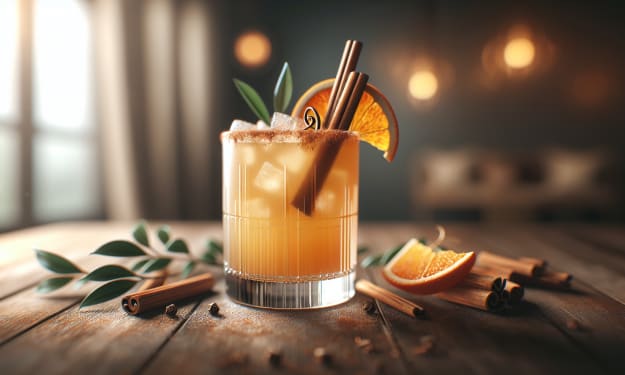
Spiced Cocktails to Warm Your Winter Nights
Winter calls for drinks that wrap you up like a cozy blanket. Spiced cocktails, with their rich aromas and warm flavors, are the perfect remedy for chilly evenings. Imagine the scent of cinnamon, clove, nutmeg, and allspice swirling in your glass, teasing your senses before the first sip. These spices don’t just add flavor — they bring a comforting warmth that feels like a hug from the inside out.
By Marcus Petrova day ago in Proof
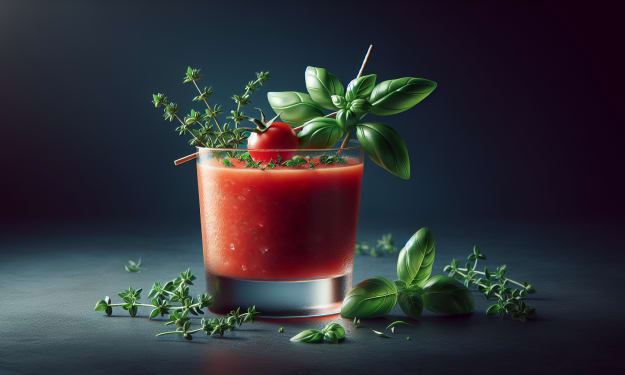
Savory Cocktails: Unlocking the Umami Magic of Tomato and Herb Flavors
Savory cocktails are the bold rebels of the cocktail world. They don’t chase sweetness or fruity freshness. Instead, they dive deep into rich, complex flavors that tease your palate with umami, salt, and herbal notes. If you’ve ever wondered how to turn a drink into a full-on flavor experience that feels like a gourmet meal in a glass, savory cocktails are your ticket.
By Marcus Petrov4 days ago in Proof
Magic
Note from the Author: I want to let you know that this is an unusual story, and it has been written purely from whatever is in my unconscious mind, because before I start writing, I get into a flow state that reaches my unconsciousness. I also write in my subconscious mind, which is like a mid-flow state between the conscious and unconscious mind.
By Denise Larkin6 days ago in Fiction


Comments
There are no comments for this story
Be the first to respond and start the conversation.