
A Complete Guide to Irish Whiskey
Learn about the different types of Irish whisky, how and where they are made, and which brands you should taste.


Irish whiskey is one of the world’s most beloved spirits, known for its smooth, approachable character and rich history. Whether you’re a seasoned whiskey drinker or a curious newcomer, this guide will take you through everything you need to know about Irish whiskey—from its origins and production methods to the best bottles to try.
The History of Irish Whiskey
Irish whiskey has a storied past, dating back over a thousand years. Monks in medieval Ireland are believed to have brought distillation techniques from the Middle East, refining them to create uisce beatha (Gaelic for “water of life”). By the 18th and 19th centuries, Ireland was the global leader in whiskey production, with hundreds of distilleries operating across the country.
However, the industry faced severe setbacks due to the Irish War of Independence, Prohibition in the U.S., and competition from Scotch whisky. By the mid-20th century, only a handful of distilleries remained. Fortunately, Irish whiskey has experienced a remarkable revival since the 1980s, with new distilleries opening and global demand soaring.
How Irish Whiskey Is Made
Irish whiskey must adhere to strict legal standards:
- Ingredients – Typically made from malted and unmalted barley, though some include other grains like corn or wheat.
- Distillation – Usually triple-distilled (though some are double-distilled), resulting in a smoother, lighter spirit compared to Scotch.
- Aging – Must be aged in wooden casks (usually oak) for at least three years.
- ABV – Bottled at a minimum of 40% alcohol by volume (ABV).
Types of Irish Whiskey
Single Malt – Made from 100% malted barley and distilled in pot stills at a single distillery.
Single Pot Still – A uniquely Irish style using a mix of malted and unmalted barley, giving it a spicy, creamy texture.
Grain Whiskey – Made from corn or wheat in column stills, often used in blends.
Blended Whiskey – A mix of single malt, single pot still, and grain whiskey for balance and affordability.
Key Irish Whiskey Regions
While Ireland doesn’t have formal whiskey regions like Scotland, certain areas are known for their distilleries:
Dublin – Home to historic brands like Jameson and newer craft distilleries like Teeling.
Cork – The heart of Irish whiskey, with Midleton Distillery producing Jameson, Redbreast, and more.
Bushmills (Northern Ireland) – Famous for Old Bushmills, one of the oldest licensed distilleries.
The West Coast – Emerging distilleries like Connacht Whiskey and Lough Gill.
Top Irish Whiskey Brands & Bottles to Try
1. Jameson
The world’s best-selling Irish whiskey, known for its smooth, versatile profile. Great for beginners.
2. Redbreast 12-Year-Old
A premium single pot still whiskey with rich flavors of sherry, spice, and dried fruit.
3. Bushmills 16-Year-Old
Aged in bourbon, sherry, and port casks, offering deep caramel and dark fruit notes.
4. Teeling Small Batch
A modern Dublin whiskey with rum cask finishing for a sweet, tropical twist.
5. Green Spot
A single pot still whiskey aged in bourbon and sherry casks, with apple, vanilla, and oak flavors.
6. Powers John’s Lane Release
A bold, spicy single pot still whiskey with toffee and pepper notes.
7. Midleton Very Rare
An ultra-premium annual release, blending rare aged whiskeys for exceptional depth.
8. Knappogue Castle 12-Year-Old
A single malt aged in bourbon casks, offering honey, citrus, and vanilla.
9. Tullamore D.E.W.
A smooth, affordable blend with a touch of sherry cask influence.
10. Writer’s Tears
A blend of single malt and single pot still, with a creamy, honeyed profile.
How to Drink Irish Whiskey
Neat – Best for premium bottles to appreciate their full flavor.
With a Drop of Water – Opens up the aromas and softens the alcohol bite.
On the Rocks – Chilled with ice for a refreshing sip.
In Cocktails – Works well in classics like the Irish Coffee, Whiskey Sour, or Old Fashioned.
Irish Whiskey vs. Scotch Whisky
While both are beloved, key differences include:
Ingredients – Scotch often uses peat-smoked barley, while Irish whiskey is typically unpeated (though exceptions exist).
Distillation – Irish whiskey is usually triple-distilled for smoothness; Scotch is often double-distilled.
Flavor – Irish whiskey tends to be lighter and fruitier, while Scotch can be smokier and more robust.
The Future of Irish Whiskey
The Irish whiskey boom shows no signs of slowing. New distilleries are experimenting with unique cask finishes, single estate grains, and revived historical styles. With growing global demand, Irish whiskey is reclaiming its place as a world-class spirit.
Final Thoughts
Irish whiskey’s smooth, versatile nature makes it perfect for both sipping and mixing. Whether you prefer a rich single pot still like Redbreast or an easy-drinking blend like Jameson, there’s an Irish whiskey for every palate. Sláinte!
About the Creator
Dean Walsh
Some days I'm the most hopeless fool you'd ever have the misfortune to meet. Most days I'm an emotional trainwreck. But very occasionally I'm an unsung genius. I write in the hopes of sharing that last part.
Also for money.
Keep reading
More stories from Dean Walsh and writers in Proof and other communities.
The Ultimate Guide to Snacks That Pair Perfectly With Neat Whisky
Whisky, especially when enjoyed neat, is a complex and nuanced spirit that deserves thoughtful pairings. The right snack can enhance the flavors, balance the alcohol’s intensity, and elevate the entire drinking experience. Whether you prefer Scotch, Bourbon, or Irish whiskey, certain foods complement the spirit’s rich, smoky, sweet, or spicy notes. Below, we explore the best snacks to enjoy with each type of neat whisky from around the world, categorized by flavor profile and texture.
By Dean Walsh10 months ago in Proof
Maple Cocktails: Embrace Natural Sweetness in Fall Drinks
When the leaves turn golden and the air grows crisp, nothing captures the cozy spirit of fall quite like maple syrup. This natural sweetener brings a rich, woody depth to cocktails that’s both comforting and sophisticated. Maple cocktails are perfect for those who want to add a touch of autumn magic to their glass without relying on artificial flavors or heavy syrups.
By Andrea Martinez5 days ago in Proof
Ginger Cocktails: Spicy Sips for Digestion and Delight
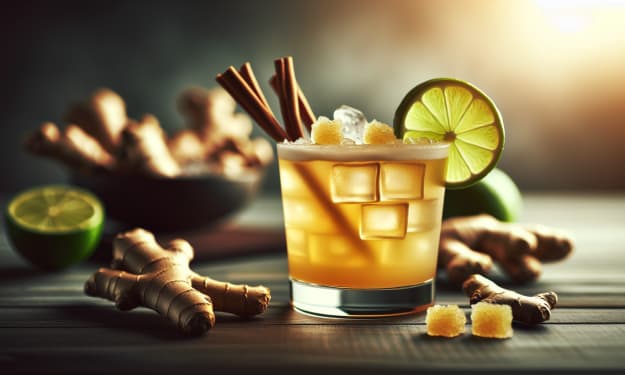
Ginger is one of those magical ingredients that can turn an ordinary drink into a fiery delight with a healthful twist. Known for its spicy bite and warming sensation, ginger has been celebrated not only for its taste but also for its digestive benefits and natural remedies throughout history. Today, ginger cocktails are a trendy way to enjoy that zing while helping your stomach settle after a heavy meal or simply adding a spark to your evening.
By Andrea Martinez7 days ago in Proof



Comments
There are no comments for this story
Be the first to respond and start the conversation.