
8 Weirdest Birds With Extraordinary Beaks
A Look at Nature’s Most Unique Avian Adaptations


Nature has a knack for surprising us, and birds are no exception. Among their many fascinating features, some species sport truly bizarre beaks that serve a variety of purposes, from catching prey to building nests. Here are eight birds whose extraordinary beaks are as functional as they are fascinating.
1. The Shoebill (Balaeniceps rex)
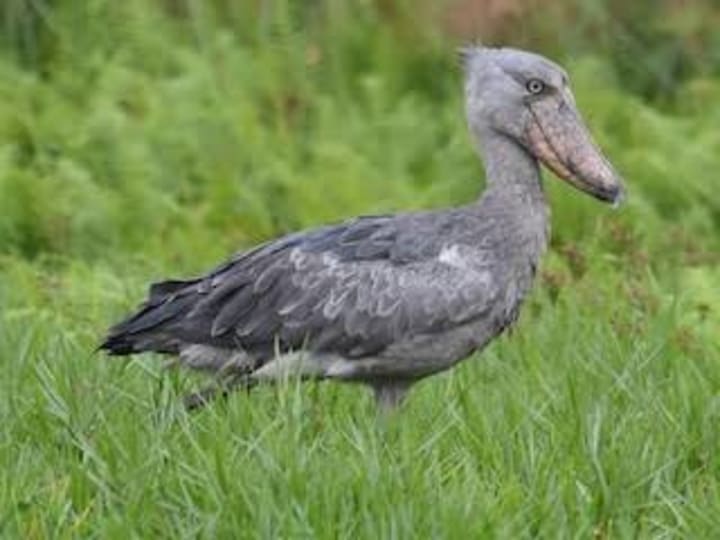
The shoebill is a prehistoric-looking bird native to the swamps of East Africa. Its massive, shoe-shaped beak is unlike any other. This oversized beak, measuring up to 24 centimeters long, is not just for show. It’s perfectly designed for hunting large prey like lungfish, eels, and even baby crocodiles. The shoebill’s beak is equipped with a sharp hook at the tip, which helps it grab and subdue slippery prey.
2. The Sword-billed Hummingbird (Ensifera ensifera)

Found in the Andes, the sword-billed hummingbird is the only bird in the world with a beak longer than its body. This impressive adaptation allows it to feed on deep tubular flowers that other birds can’t reach. Despite its awkward appearance, the bird’s long beak and specialized tongue work in perfect harmony, making it an efficient pollinator and a vital part of its ecosystem.
3. The Rhinoceros Hornbill (Buceros rhinoceros)

Native to Southeast Asia, the rhinoceros hornbill is named for its large, horn-like casque that sits atop its beak. While the casque looks heavy and unwieldy, it’s hollow and plays several roles, including amplifying the bird’s calls and serving as a status symbol. The brightly colored casque and beak are also used in courtship displays and territorial disputes.
4. The Australian Pelican (Pelecanus conspicillatus)

The Australian pelican is famous for its enormous beak and expandable throat pouch. Measuring up to 50 centimeters in length, the beak is the largest of any bird species. It’s a versatile tool, allowing the pelican to scoop up fish and water in one swift motion. During courtship, the pouch turns bright pink, adding an unexpected splash of color to this otherwise monochromatic bird.
5. The Kiwi (Apteryx spp.)

Kiwis are flightless birds from New Zealand with long, slender beaks that set them apart from other birds. Unlike most birds, the kiwi’s nostrils are located at the tip of its beak rather than the base. This unique feature helps them sniff out insects and worms buried in the soil. Their sensitive beaks function like a metal detector, probing the ground for hidden prey.
6. The Crossbill (Loxia spp.)

Crossbills are small finches with beaks that look as though they’ve been misaligned. However, this unusual structure is perfectly adapted for prying open conifer cones to extract seeds. By twisting their beaks and using their strong tongues, crossbills can access food that’s out of reach for most other birds. These specialized feeders are found in forests across the Northern Hemisphere.
7. The Spoonbill (Platalea spp.)

As their name suggests, spoonbills have flat, spoon-shaped beaks that they use to sift through water for food. Found on every continent except Antarctica, these wading birds sweep their open beaks side to side in shallow water, capturing small fish, crustaceans, and insects. The sensory receptors in their beaks help them detect prey, even in murky conditions.
8. The Puffin (Fratercula spp.)

Puffins are instantly recognizable thanks to their colorful, triangular beaks. These seabirds’ beaks are not only decorative but also highly functional. During the breeding season, the bright orange and red colors intensify, helping puffins attract mates. Additionally, their beaks are adapted to hold multiple fish at once, thanks to a unique hinge mechanism and rough tongue that keeps the fish from slipping out.
Why These Beaks Matter
The unusual beaks of these birds are prime examples of how species adapt to their environments. Each beak serves a specific purpose, whether it’s hunting, feeding, or mating. These adaptations not only highlight the diversity of birdlife but also emphasize the intricate connections between form and function in nature.
The next time you spot a bird, take a closer look at its beak. It might just tell you a fascinating story about its life and habits. From the shoebill’s prehistoric charm to the puffin’s colorful practicality, these extraordinary beaks remind us of the wonders of evolution and the creativity of the natural world.
About the Creator
Keep reading
More stories from INFO INSIDER and writers in Proof and other communities.
The Animal That Never Grows Up
In the depths of Mexico’s freshwater lakes lurks a creature unlike any other: the axolotl, a salamander that never grows up—at least in the conventional sense. Known scientifically as Ambystoma mexicanum, the axolotl is a biological marvel. While most amphibians undergo a metamorphic transition from aquatic larvae to terrestrial adults, axolotls remain in their juvenile state for their entire lives. This unique trait, called neoteny, is what makes them one of nature’s most captivating wonders.
By INFO INSIDER about a year ago in Proof
Refresh Your Summer: Cucumber Cocktails for Hydrating and Light Enjoyment
When the sun is blazing and your thirst is calling, nothing hits the spot quite like a cucumber cocktail. These drinks are the perfect blend of hydrating freshness and light, invigorating flavors that make every sip a celebration of summer. Cucumber, with its crisp and clean profile, lends itself beautifully to cocktails that feel more like a cool breeze in a glass than a heavy tipple.
By Stella Rossi6 days ago in Proof
Cosmic Cocktails: Galaxy-Inspired Drinks to Dazzle Your Night
When it comes to cocktails, sometimes you want to shoot for the stars—literally. Galaxy cocktails have taken the bar scene by storm, dazzling drinkers with shimmering colors, swirling patterns, and out-of-this-world flavors. These cosmic cocktails look like they were plucked from a nebula, glowing softly with iridescent hues that shift from deep purples to electric blues and shimmering silvers. They’re the perfect drinks for anyone who wants to add a little magic and mystery to their night.
By Vivian Chen2 days ago in Proof


Comments
There are no comments for this story
Be the first to respond and start the conversation.