
Can You Identify These Animals By Their Feet?
Learn How to Spot and Recognize Animal Footprints in Nature


Have you ever noticed strange footprints while walking on a muddy path, sandy beach, or snowy trail? These marks are clues left behind by animals. By studying their tracks, you can tell what kind of animal passed by, how it moves, and even what it might be doing.
Animal tracks are like a nature puzzle waiting to be solved, and you don’t need to be an expert to figure them out. In this guide, we’ll explore some common animal footprints and how to recognize them.
---
1. Hoofed Animals: Deer, Moose, and More

Hoofed animals, like deer, elk, and moose, have feet with two separate parts, creating a split or heart-shaped track.
Deer Tracks: These are smaller, about 1.5–3 inches long, and point in the direction the deer was walking.
Moose Tracks: Much bigger than deer prints, these can be over 6 inches long.
You can find these tracks in forests or fields. If you spot them near a tree with missing bark, the animal might have been eating there.
---
2. Wild Dogs: Wolves, Coyotes, and Foxes

Wild dogs, or canines, like wolves, coyotes, and foxes, leave paw prints that look a lot like those of a domestic dog. Their tracks have four toe pads and a larger pad at the back.
Wolf Tracks: Big and bold, around 4–5 inches long, often with visible claw marks.
Coyote Tracks: Smaller and slimmer, about 2.5 inches long.
Fox Tracks: Tiny and neat, less than 2 inches, sometimes showing fur marks.
Canines usually walk in straight lines, so their tracks often appear very tidy and organized.
---
3. Wild Cats: Bobcats and Mountain Lions

Cats, such as bobcats and mountain lions, have soft, round paw prints. They don’t show claw marks because cats keep their claws retracted while walking.
Bobcat Tracks: Small and round, about 1.5–2 inches wide.
Mountain Lion Tracks: Much larger, around 4 inches wide, with a very round shape.
Cat tracks are not as straight as dog tracks and often look more spaced out because cats are stealthy hunters.
---
4. Bears: Big, Strong, and Unique

Bear tracks are easy to identify because they’re huge! Bears have five toes, and their prints often look like large human footprints.
Black Bear Tracks: Front paws are smaller, about 4–5 inches long, while back paws can reach up to 7 inches.
Grizzly Bear Tracks: Bigger and with long claw marks.
Bears love areas with berries or water, so you’re more likely to see their tracks near streams, rivers, or bushes.
---
5. Small Animals: Raccoons, Rabbits, and Squirrels

Tracks from small animals might seem harder to spot, but they’re full of character and fun to identify.
Raccoon Tracks: Look like tiny handprints with five fingers. You’ll find them near water or trash, as raccoons are curious and love to explore.
Rabbit Tracks: These often look like a “Y” shape because their large back feet land ahead of their front paws.
Squirrel Tracks: Small and sharp, often with a hopping pattern where the back feet land ahead of the front ones.
Watch for these tracks near trees, as many small animals climb or dig.
---
6. Birds: Tiny Feet, Big Clues
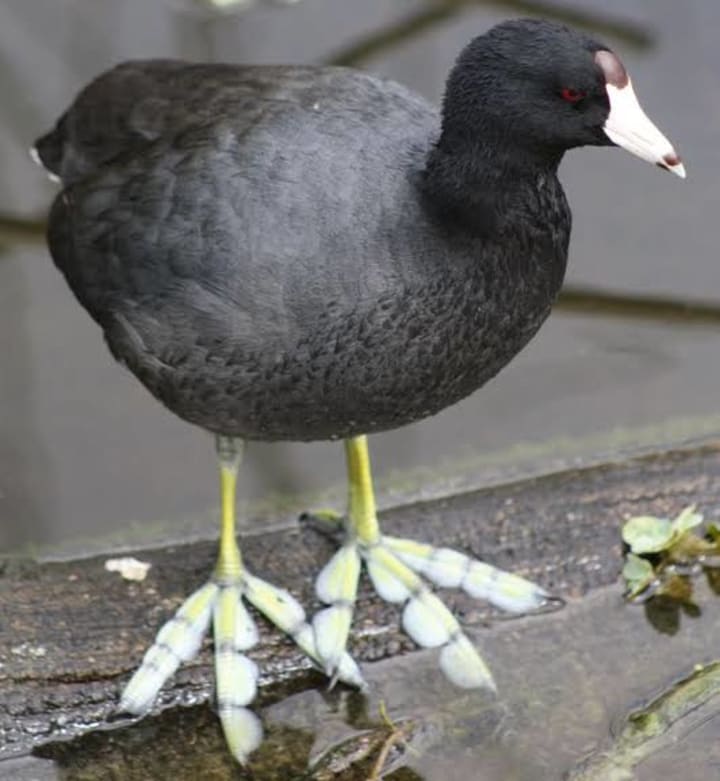
Bird tracks are some of the easiest to recognize because of their distinct shapes.
Water Birds: Ducks and geese leave webbed footprints, perfect for swimming.
Small Birds: Songbirds leave tiny tracks that show their hopping or walking movements.
Raptors: Hawks and owls have larger tracks with sharp talon marks.
Bird tracks are often found near water or under trees where they look for food.
---
Tips for Identifying Tracks
1. Check the Size: Measure the length and width of the footprint. Larger tracks often belong to bigger animals.
2. Look at the Pattern: Some animals walk, while others hop or run. The way the tracks are spaced can help you figure out the animal.
3. Check the Area: Think about where you are. Forests, rivers, and open fields all have different types of animals.
4. Look for Extra Clues: Scat, feathers, fur, or scratch marks on trees can give you more hints about what animal was nearby.
---
Discover Nature’s Stories
Animal tracks are like nature’s secret messages. By learning to read them, you can connect with wildlife and understand what’s happening around you. The next time you see a footprint in the mud, snow, or sand, take a closer look. Who knows? You might uncover the story of a deer’s evening walk, a raccoon’s midnight snack, or a fox hunting for food.
With practice and observation, you’ll get better at identifying tracks and appreciating the animals that share our world. So, lace up your boots, grab a notebook, and start exploring—you’ll be amazed by the stories waiting at your feet!
About the Creator
Keep reading
More stories from INFO INSIDER and writers in Proof and other communities.
7 Flowers That Look Almost Unreal
When it comes to the beauty of nature, flowers are often the most captivating creations. Some blooms, however, are so extraordinary in their design, color, and structure that they seem to belong to a fantasy world rather than our own. Here are seven flowers so mesmerizing that they appear almost unreal.
By INFO INSIDER about a year ago in Proof
Maple Cocktails: Embrace Natural Sweetness in Fall Drinks
When the leaves turn golden and the air grows crisp, nothing captures the cozy spirit of fall quite like maple syrup. This natural sweetener brings a rich, woody depth to cocktails that’s both comforting and sophisticated. Maple cocktails are perfect for those who want to add a touch of autumn magic to their glass without relying on artificial flavors or heavy syrups.
By Andrea Martinez5 days ago in Proof
Ginger Cocktails: Spicy Sips for Digestion and Delight
Ginger is one of those magical ingredients that can turn an ordinary drink into a fiery delight with a healthful twist. Known for its spicy bite and warming sensation, ginger has been celebrated not only for its taste but also for its digestive benefits and natural remedies throughout history. Today, ginger cocktails are a trendy way to enjoy that zing while helping your stomach settle after a heavy meal or simply adding a spark to your evening.
By Andrea Martinez6 days ago in Proof
A Historic Declaration
We the People of the Husbands of the United States of America, in Order to form a more perfect Union, and I mean you...with me...establish Justice, insure domestic Tranquility, provide for the common defence, promote the general Welfare, and secure the Blessings of Liberty to ourselves, after Puberty, do ordain and establish this Declaration of Co-Dependence.
By Gerard DiLeo5 days ago in Humans




Comments
There are no comments for this story
Be the first to respond and start the conversation.