
8 Prehistoric Animals That Are Still Alive Today
Survivors of the Ancient World: Creatures That Outlived Extinction


The Earth’s history is marked by cataclysmic events, mass extinctions, and the rise and fall of species. Yet, some animals have defied the odds, surviving for millions of years with little to no evolutionary change. These living fossils give us a glimpse into prehistoric times and serve as a testament to the resilience of life on Earth. Below are eight prehistoric animals that continue to thrive today.
---
1. Horseshoe Crab
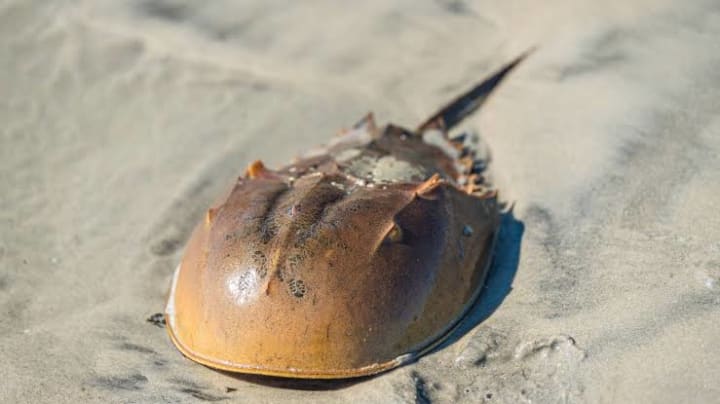
One of the oldest living creatures on Earth, the horseshoe crab, has been around for more than 450 million years. These marine arthropods have survived ice ages, asteroid impacts, and countless environmental changes. Despite their name, they are more closely related to spiders and scorpions than crabs. Known for their helmet-shaped shells and long, pointed tails, horseshoe crabs play an essential role in coastal ecosystems and medical research due to their blue blood, which contains a substance vital for detecting bacterial contamination in vaccines.
---
2. Coelacanth

Once thought to be extinct for over 65 million years, the coelacanth was rediscovered in 1938 near South Africa. This deep-sea fish, often referred to as a "living fossil," dates back 400 million years. Its unique lobed fins resemble the limbs of land-dwelling vertebrates, making it a crucial link in understanding the evolution of life. Coelacanths are nocturnal and elusive, residing in deep underwater caves, which has helped them evade extinction.
---
3. Nautilus

With a lineage stretching back 500 million years, nautiluses are ancient marine mollusks that have remained virtually unchanged. These spiral-shelled creatures use jet propulsion to navigate the ocean depths and rely on buoyancy for movement. Nautiluses are often called "living fossils" because their external and internal structures closely resemble their ancestors. Sadly, overfishing and habitat loss have put their survival at risk.
------
4. Sturgeon

Age: Over 200 million years
Sturgeons are ancient fish that have lived through the rise and fall of dinosaurs. Known for their size and longevity, they can grow up to 18 feet long and live for over a century.
These bottom-dwelling fish are famous for their eggs, which are processed into caviar, making them a target for overfishing. Conservation efforts are critical to ensure the survival of these prehistoric giants, many of which are now critically endangered.
---
5. Tuatara

Age: About 250 million years
The tuatara, native to New Zealand, is often mistaken for a lizard but belongs to a unique lineage of reptiles that flourished during the dinosaur era. Tuataras are easily distinguished by their spiny crests and a third "parietal eye" on top of their heads, which is thought to help regulate circadian rhythms.
These reptiles grow slowly, taking up to 20 years to reach maturity, and can live for over 100 years. Conservation efforts in New Zealand, including predator control and habitat restoration, have been essential in protecting this ancient species.
---
6. Giant Chinese Salamander

Age: About 170 million years
The giant Chinese salamander is the world’s largest amphibian, reaching lengths of up to six feet. This remarkable creature has remained unchanged for millions of years, making it a true living fossil.
Unfortunately, habitat loss, pollution, and overharvesting for traditional medicine have led to a dramatic decline in their population. Conservation programs are working to breed and reintroduce these ancient amphibians into their natural habitats.
---
7. Goblin Shark
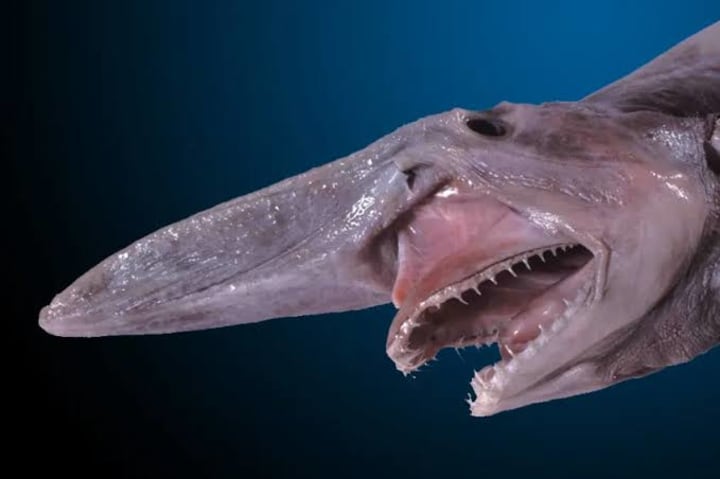
Age: Around 125 million years
The goblin shark is a deep-sea predator that has earned its reputation as one of the most bizarre-looking creatures on the planet. With its elongated snout and protruding jaws, it looks like something out of a horror movie.
This shark resides in the deep ocean, where it uses its highly sensitive snout to detect prey. Its remote habitat and nocturnal habits have helped it survive for millions of years, but very little is known about this elusive species.
---
8. Alligators and Crocodiles

Age: Over 200 million years
Alligators and crocodiles are some of the most recognizable survivors of the prehistoric world. These powerful reptiles have been around since the time of the dinosaurs, adapting to thrive in aquatic environments.
With their armored bodies, powerful jaws, and stealthy hunting abilities, these creatures have changed little over millions of years. While some species, like the American alligator, have recovered from the brink of extinction, others face ongoing threats from habitat destruction and climate change.
---
Conclusion
These eight prehistoric animals are living reminders of the Earth’s ancient past, showcasing the resilience of life in the face of mass extinctions and environmental change. However, their survival is now threatened by human activity, including overfishing, habitat loss, and climate change.
Protecting these living fossils is not just about preserving biodiversity—it’s about safeguarding the rich history of life on our planet. By taking action to conserve these species and their habitats, we can ensure that these extraordinary creatures continue to inspire and educate future generations.
---
These ancient survivors prove that nature’s resilience is nothing short of extraordinary. They are living proof of the wonders that have shaped life on Earth, and they deserve our utmost care and protection.
About the Creator
Keep reading
More stories from INFO INSIDER and writers in Proof and other communities.
10 Birds That Lay Colorful Eggs
Birds are one of nature’s most fascinating creatures, and their eggs are just as intriguing. From soft blues to speckled patterns, bird eggs can be incredibly vibrant and beautiful. While some birds lay plain, white eggs, many species have evolved to lay eggs in an array of colors and patterns, which may serve various purposes, from camouflage to attracting mates. Here are 10 birds that lay colorful eggs, highlighting the stunning variety of avian egg-laying traditions.
By INFO INSIDER about a year ago in Proof
Honey Cocktails: Sweet, Natural, and Healthy Sips
Honey has been cherished for centuries not just as a natural sweetener but as a flavor enhancer that brings depth and warmth to cocktails. Unlike refined sugar or artificial syrups, honey offers complex floral notes and a silky texture that can elevate even the simplest drinks. Plus, it’s packed with antioxidants and has soothing qualities, making it a favorite among those who want a healthier twist in their glass.
By Stella Rossi6 days ago in Proof
Matcha Cocktails: Green Tea Drinks with a Kick
Matcha isn’t just for your morning latte anymore. This vibrant green powder, made from finely ground Japanese green tea leaves, has stormed the cocktail world with its earthy flavor, bright color, and health perks. If you’re looking for a refreshing drink that packs antioxidants and a gentle caffeine boost, matcha cocktails are your new best friend.
By Andrea Martinez6 days ago in Proof




Comments
There are no comments for this story
Be the first to respond and start the conversation.