
10 Animals With Big Lips
Nature's Most Fascinating Features


Lips are a distinctive and functional feature in the animal kingdom. While we often associate them with humans, many animals boast impressive lips that serve a variety of purposes. From attracting mates to aiding in feeding, these big-lipped creatures showcase how evolution has shaped unique adaptations. Let’s explore ten animals with remarkable lips and the roles they play in their lives.
1. Hippopotamus
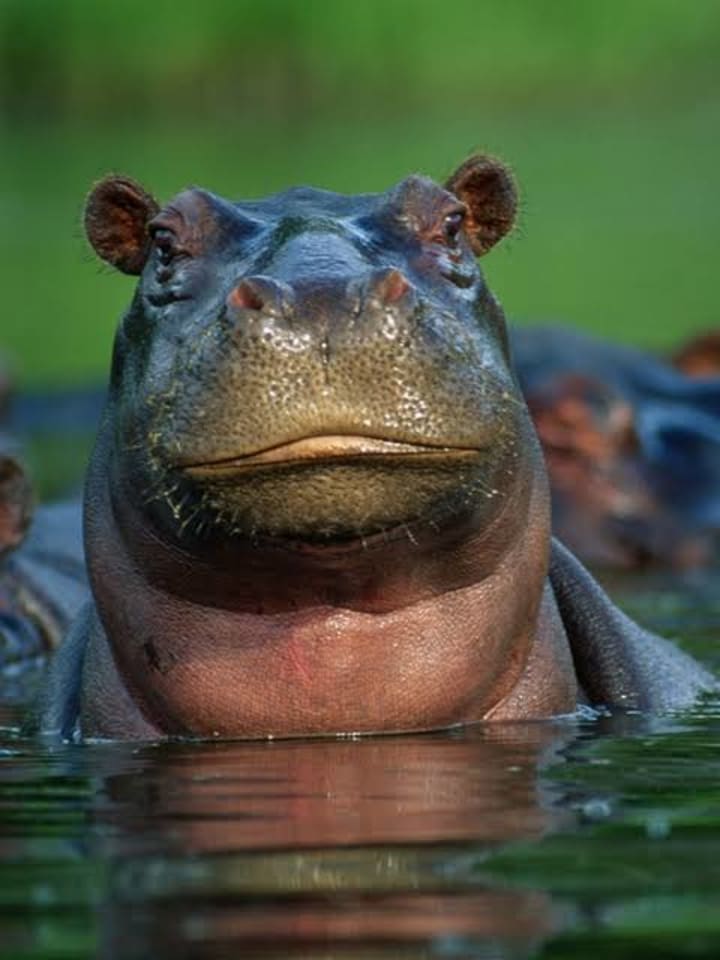
The hippopotamus is one of the most iconic big-lipped animals. Their thick, wide lips are not just for show; they’re crucial for grazing and tearing up vegetation. Hippos’ lips can grow to over two feet wide, helping them consume up to 80 pounds of grass daily. Their lips are also sensitive, allowing them to navigate underwater vegetation effectively.
2. Camel
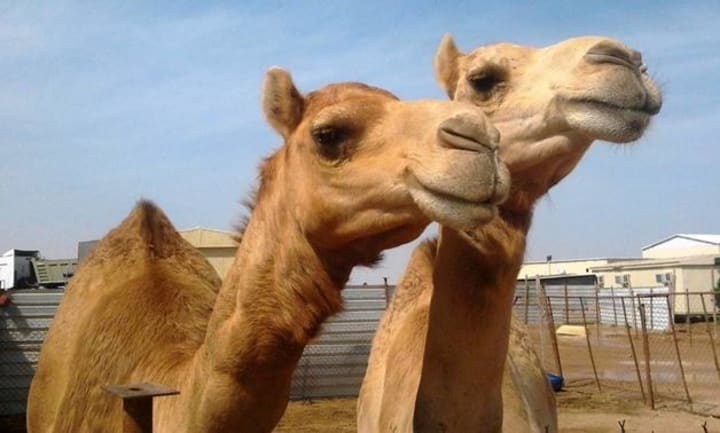
Camels have large, flexible lips that help them survive in harsh desert environments. These animals use their prehensile upper lip to grasp thorny plants and other tough vegetation that other animals might avoid. Their lips are incredibly tough, enabling them to eat without injury.
3. Pufferfish

Pufferfish are known for their ability to inflate, but their lips are equally noteworthy. These fish have prominent, fleshy lips that they use to crush and consume hard-shelled prey like crabs and mollusks. Their strong lips, combined with powerful teeth, are vital for their survival in the ocean.
4. Manatee

Often called sea cows, manatees have large, flexible lips that play a crucial role in their feeding habits. These gentle giants use their lips to grasp and pull seagrass and other aquatic plants into their mouths. Their lips are prehensile and highly sensitive, allowing them to maneuver food with precision.
5. Giraffe

Giraffes may be known for their long necks, but their lips are equally fascinating. Their large, muscular lips help them strip leaves and twigs from tall trees. Giraffes’ lips are tough and dexterous, enabling them to consume thorny branches without injury.
6. Boxfish

The boxfish has an unusual appearance, and its lips stand out as one of its most distinctive features. These fish use their big, fleshy lips to suck up small invertebrates from the ocean floor. Their lips’ unique shape also helps them reach into crevices to find hidden prey.
7. Elephant

Elephants’ lips, though not as prominent as their trunks, play a supporting role in their feeding. Their upper lip works in conjunction with their trunk to grab and manipulate food. This combination of features allows elephants to consume a diverse diet, from grass to tree bark.
8. Lipizzaner Horse

Named for their notable lips, Lipizzaner horses are a breed famous for their expressive mouths. These horses often display their lips prominently when interacting with humans or other horses. While their lips don’t serve a unique feeding function, they are an essential part of their expressive communication.
9. Blobfish

The blobfish’s large, gelatinous lips are one of its most striking features. These deep-sea creatures live in high-pressure environments, and their lips help them detect and consume food. The blobfish’s soft, fleshy lips are adapted to their unique underwater habitat.
10. Mandrill

Mandrills, a type of primate, have strikingly large and colorful lips that are hard to miss. Their lips are a key part of their social interactions and displays. Male mandrills often use their lips to communicate dominance or attract mates, making them an integral part of their behavior.
Why Big Lips Matter in the Animal Kingdom
Big lips serve many functions, from feeding to communication. For some animals, like the giraffe and camel, they’re essential tools for survival in challenging environments. For others, like the mandrill, they’re vital for social signaling. In aquatic environments, animals like the pufferfish and boxfish rely on their lips to catch and consume prey effectively.
Lips also play a role in sensory perception. Many animals with big lips have a heightened sense of touch, allowing them to explore their environment and interact with objects or food more effectively. This adaptability highlights the incredible diversity of evolutionary solutions in the animal kingdom.
Conclusion
From the aquatic depths to the savannah, animals with big lips showcase the wonders of nature’s ingenuity. These features, often overlooked, are vital for survival, communication, and feeding. By understanding and appreciating these unique adaptations, we gain a deeper insight into the fascinating world of wildlife.
About the Creator
Keep reading
More stories from INFO INSIDER and writers in Proof and other communities.
Meet Junjun The Bear Cub, Internet's Latest Heartthrob
In the vast expanse of the internet, where countless memes and viral sensations come and go, one tiny ball of fur has risen above the noise to become the world’s latest obsession. Meet Junjun, a rescued bear cub whose heartwarming journey from hardship to hope has captivated millions.
By INFO INSIDER about a year ago in Proof
Matcha Cocktails: Green Tea Drinks with a Kick
Matcha isn’t just for your morning latte anymore. This vibrant green powder, made from finely ground Japanese green tea leaves, has stormed the cocktail world with its earthy flavor, bright color, and health perks. If you’re looking for a refreshing drink that packs antioxidants and a gentle caffeine boost, matcha cocktails are your new best friend.
By Andrea Martinez3 days ago in Proof
Berry Cocktails: Fresh and Antioxidant-Packed Summer Sips
Summer calls for vibrant, refreshing drinks that not only taste amazing but also boost your health. Berry cocktails fit this bill perfectly. Bursting with fresh berries, these cocktails bring a natural sweetness and a punch of antioxidants that help fight free radicals. From strawberries and blueberries to raspberries and blackberries, the range of berries offers a colorful palette and a wealth of nutrients.
By Andrea Martinez5 days ago in Proof
When the Shelter Closes
Across the street from my house, a man slept under a tree, his dog by his side. My first, naive thought: he must be traveling through. But he kept coming back, often sleeping there during the day. Then it hit me—that person might not have a home.
By Bride of Sound4 days ago in Humans




Comments
There are no comments for this story
Be the first to respond and start the conversation.