
What Is the Difference Between Gay and Queer?
what is the difference between gay and queer

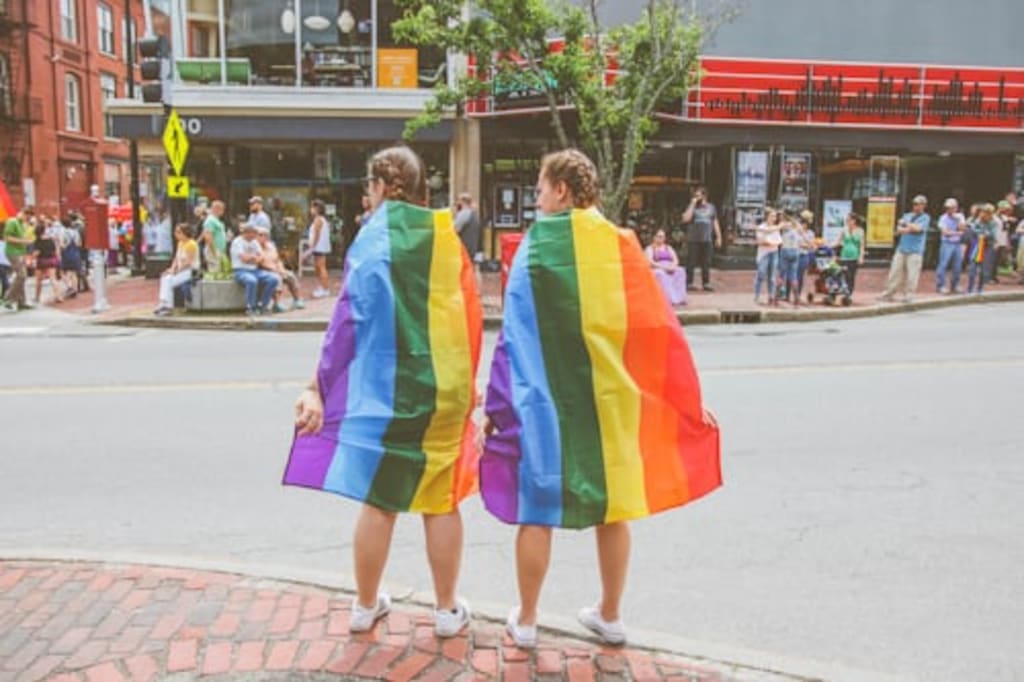
Language has power. The words we use to describe ourselves and others carry layers of meaning cultural, personal, and historical. In conversations around identity and sexuality, two terms often come up: gay and queer.
At first glance, many people think these words mean the same thing. After all, both relate to sexual orientation and the LGBTQ+ community. But the truth is more nuanced. The difference between gay and queer isn’t just about dictionary definitions it’s about history, identity, and personal choice.
If you’ve ever wondered, “What’s the difference between gay and queer?” this article will walk you through everything you need to know. Let’s dive deep into the meanings, origins, and cultural significance of these two words.
Understanding the Word “Gay”
Definition of Gay
The word gay most commonly refers to a man who is attracted to other men. Over time, it has also come to describe women who are attracted to women, although many women prefer to identify as lesbian instead. In modern usage, “gay” often works as an umbrella term for same-sex attraction.
For example:
- A man attracted to men might say, “I’m gay.”
- A woman attracted to women might say, “I’m gay” or “I’m a lesbian.”
Origin of the Word Gay
Interestingly, “gay” didn’t always mean same-sex attraction. Up until the early 20th century, the word simply meant happy, carefree, or bright. In literature from the 1800s, you’ll often find lines like “a gay song” or “a gay mood,” referring to joyfulness.
By the mid-20th century, however, the word had shifted. “Gay” became slang in English-speaking countries to refer to men who were romantically or sexually interested in other men. Over time, it moved from underground slang to a widely accepted identity term.
Gay as an Identity
Today, being gay is not just about who someone is attracted to it’s also about belonging to a community and culture. Pride events, gay bars, and media representation all play a part in strengthening this sense of identity.
When someone says they are gay, it usually communicates three key things:
- Their sexual orientation (attraction to the same gender).
- Their identity (how they see themselves).
- Their community connection (being part of the broader LGBTQ+ movement).
Understanding the Word “Queer”
Definition of Queer
The word queer is broader and more flexible than “gay.” In today’s usage, queer can describe anyone whose sexual orientation, gender identity, or expression is not strictly heterosexual or cisgender.
That means queer can refer to:
- Gay men
- Lesbians
- Bisexual people
- Transgender people
- Non-binary individuals
Anyone who doesn’t fit neatly into “straight” or “cisgender” categories
So while “gay” usually refers specifically to same-sex attraction, “queer” is an umbrella term that covers many diverse identities.
The Complicated History of Queer
The history of the word “queer” is complex. For centuries, “queer” meant strange, odd, or unusual. In the late 19th and early 20th centuries, it became a derogatory slur used against LGBTQ+ people.
However, starting in the 1980s and 1990s, activists and academics began reclaiming the word. Groups like Queer Nation used it as a bold, political identity to challenge traditional ideas about gender and sexuality. Instead of running from the insult, they embraced it as a badge of pride.
Today, many people in the LGBTQ+ community proudly call themselves queer. That said, some people especially older generations who grew up when “queer” was a harsh insult still find it offensive. It’s always important to respect individual preferences.
Queer as an Identity
Being queer often communicates more than just who someone is attracted to. It’s also about rejecting rigid categories. A queer person might feel that labels like “gay” or “lesbian” are too narrow for their experience. Instead, queer provides room for fluidity, questioning, and personal exploration.
In short: Queer is about freedom. It’s a word that allows people to exist without being forced into strict boxes.
Key Differences Between Gay and Queer
Let’s break down the differences clearly:
Aspect Gay Queer
Meaning Attraction to the same gender (mostly men attracted to men, sometimes used broadly). An umbrella term for all identities outside heterosexual/cisgender norms.
Scope Specific to sexual orientation. Inclusive of sexuality, gender identity, and expression.
History Originally meant “happy,” shifted to mean homosexual in the 20th century. Originally meant “strange,” later used as a slur, now reclaimed by activists.
Identity Use Clear, specific label for same-sex attraction. Flexible, fluid, political, and inclusive of many identities.
Community Connection Strongly tied to gay culture and Pride. Associated with inclusivity, activism, and academic theory (“queer theory”).
Why Some People Prefer “Gay” While Others Prefer “Queer”
Identity is deeply personal. People choose labels for different reasons:
Reasons Someone Might Prefer “Gay”:
- It’s clear and specific.
- It’s widely recognized and understood.
- It feels more comfortable than other terms.
- It connects to established communities and history.
Reasons Someone Might Prefer “Queer”:
- It feels inclusive and flexible.
- It avoids strict categories like “gay” or “straight.”
- It carries a sense of political activism and pride.
- It acknowledges the complexity of identity and attraction.
Common Misunderstandings
“Queer means the same as gay.”
Not exactly. While gay can be part of queer, queer includes many more identities.
“Queer is always offensive.”
Not anymore. Although it has a history as a slur, many LGBTQ+ people now embrace it. The key is to respect how individuals self-identify.
“Gay people don’t call themselves queer.”
Some do, some don’t. It depends on how they personally feel about the term.
The Role of Queer Theory in Academia
Beyond everyday identity, “queer” also has a strong presence in academic studies. In the 1990s, universities developed queer theory as a way to challenge traditional views on sexuality and gender.
Queer theory argues that gender and sexuality are social constructs rather than fixed truths. For example, instead of saying someone is “naturally” straight or gay, queer theory explores how culture, history, and power shape our understanding of identity.
This academic influence has further solidified “queer” as a powerful, political, and intellectual term.
How Media Represents Gay vs. Queer
Representation in TV, movies, and literature also reflects these differences.
Gay characters are usually portrayed with clear same-sex attraction (e.g., a man dating another man).
Queer characters may have more complex identities, not fitting into neat categories. For example, a character might be attracted to multiple genders or reject labels entirely.
The rise of queer representation shows society’s growing acceptance of identity diversity.
Practical Example: Gay vs. Queer in Real Life
Imagine two friends:
Jack says: “I’m gay. I’m a man, and I’m only attracted to other men. That’s who I am.”
Sara says: “I’m queer. Sometimes I’m attracted to women, sometimes to non-binary people. Labels like lesbian or bisexual feel too limiting, so I use queer.”
Both identities are valid, but they highlight different ways of understanding sexuality.
FAQs: Gay vs. Queer
1. Can someone be both gay and queer?
Yes! A gay man might also identify as queer to connect with the broader LGBTQ+ community.
2. Is queer a more modern term than gay?
In the context of identity, yes. While “gay” became mainstream in the mid-20th century, “queer” gained widespread positive usage starting in the 1990s.
3. Is it okay for straight people to use the word queer?
It depends on context. Straight allies can use “queer” respectfully when talking about the community, but they should avoid labeling someone as queer unless that person self-identifies that way.
4. Why is queer considered political?
Because it challenges traditional ideas of sexuality and gender, rejecting strict boxes and embracing fluidity.
Final Thoughts
The difference between gay and queer comes down to scope, history, and personal identity.
- Gay usually refers to same-sex attraction, especially between men.
- Queer is broader, covering diverse sexualities, gender identities, and expressions.
Neither word is “better” than the other it all depends on what feels right for the individual.
As society continues to evolve, language will evolve too. What matters most is respect: listening to how people identify and honoring their choices.
So next time someone says they are gay or queer, you’ll understand not just the words but also the rich history, culture, and meaning behind them.
About the Creator
David Femboy
David here. Sharing my authentic femboy journey the outfits, the lessons, the life. For anyone exploring gender expression. Let’s redefine masculinity together. 💖
Keep reading
More stories from David Femboy and writers in Pride and other communities.
What Is Queer? Understanding the Meaning, History, and Modern Identity
Language is powerful. Words can hurt, heal, liberate, or confine. One such word that carries a complex, layered history is “Queer.” In recent years, “queer” has moved from being used as a derogatory slur to becoming an umbrella term that many in the LGBTQ+ community proudly embrace.
By David Femboy7 months ago in Pride
Hottest in the Office
Dear Rafi, You’re very distracting to work around. For the first second I saw you the other day, I thought you were some type of executive. It took a moment to realize no, you were just the new guy, dressed up for the job he wants. Be still, my heart.
By Gabriel Shamesabout 18 hours ago in Pride
A Beauty Pageant That Is Much More than Crowns and Gowns
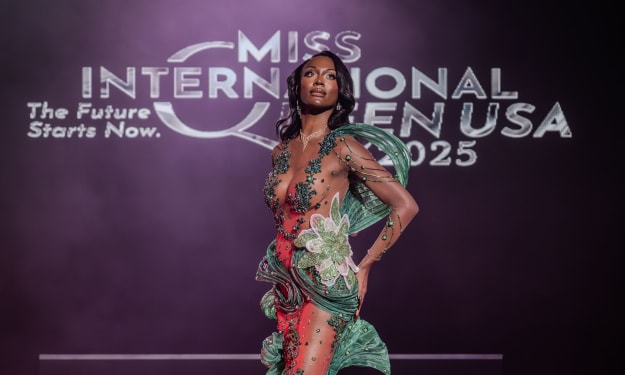
Miss International Queen – USA (MIQ-USA) returns this month with a bold new vision as it crowns its 2026 titleholder in Atlantic City on March 26–27. Following a celebrated debut in Las Vegas — where Vegas 411 hailed the production as “the new crown jewel in Las Vegas shows” — the nation’s premier pageant for transgender women enters its next chapter with an ambitious theme: “A Portrait of Possibility.”
By Ben Nelson7 days ago in Pride



Comments
There are no comments for this story
Be the first to respond and start the conversation.