
What Is Queer? Understanding the Meaning, History, and Modern Identity
What Is Queer

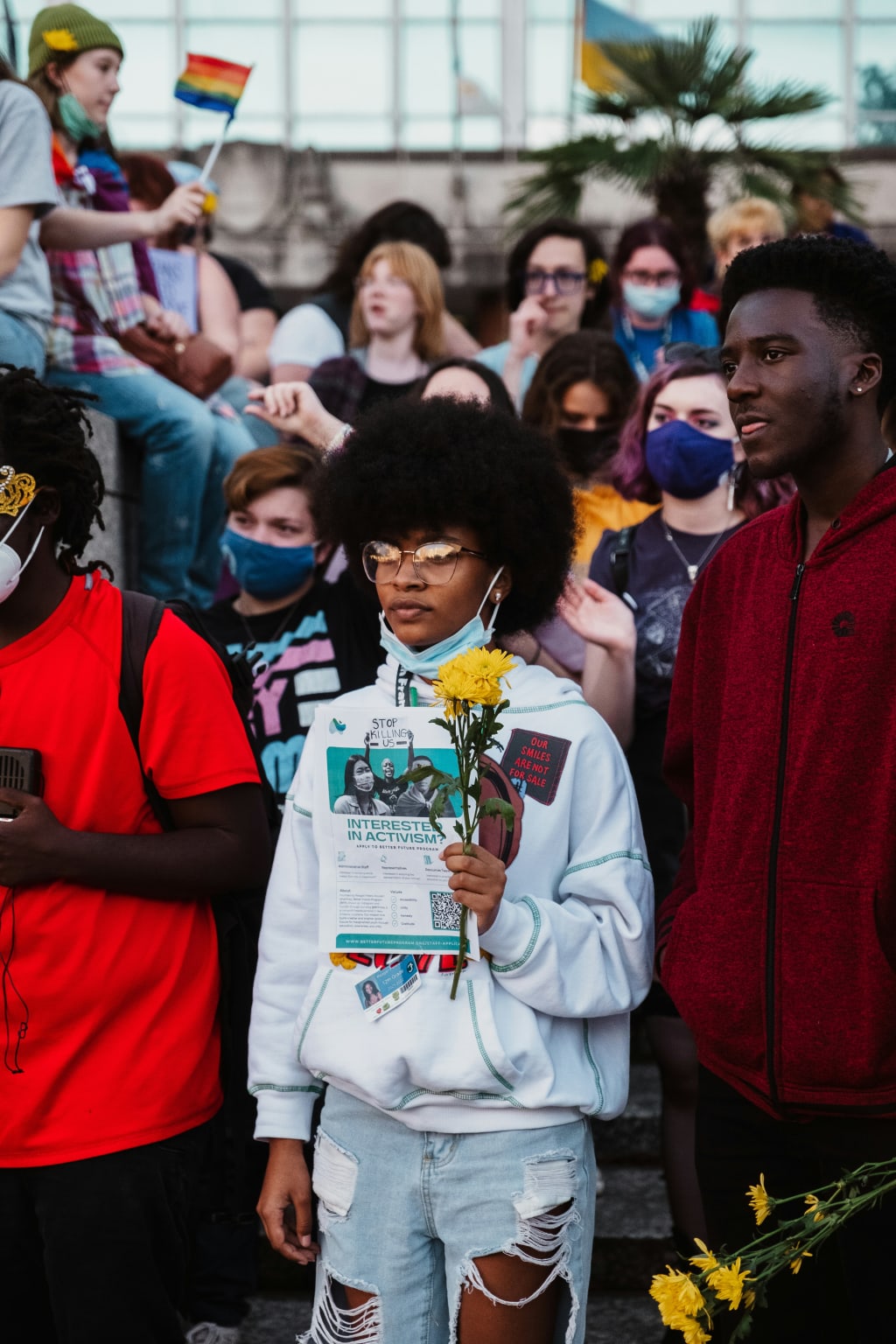
Language is powerful. Words can hurt, heal, liberate, or confine. One such word that carries a complex, layered history is “Queer.” In recent years, “queer” has moved from being used as a derogatory slur to becoming an umbrella term that many in the LGBTQ+ community proudly embrace.
But what does “queer” really mean today? Is it just another word for being gay? Is it an insult, an identity, or something bigger?
In this article, we’ll take a deep dive into the meaning of queer, its history, why people identify with it, and how society views it today.
Table of Contents
- What Does “Queer” Mean?
- The History of the Word “Queer”
- From Slur to Empowerment: The Reclamation of “Queer”
- Queer as an Umbrella Term
- The Difference Between Queer and LGBTQ+
- Why Do People Identify as Queer?
- Misunderstandings and Controversies Around the Word
- Queer in Pop Culture and Media
- Queer Studies in Academia
- Should You Use the Word “Queer”?
- Frequently Asked Questions (FAQs)
- Final Thoughts
What Does “Queer” Mean?
At its core, queer means “different” or “outside the norm.” Traditionally, it simply meant strange or peculiar in the English language.
In the context of sexuality and gender identity, however, queer refers to anyone who does not fit into traditional heterosexual or cisgender categories. It is intentionally broad and flexible.
Someone who identifies as queer may be:
- Lesbian
- Gay
- Bisexual
- Transgender
- Non-binary
- Pansexual
- Or simply “not straight”
Queer is about rejecting rigid boxes. For some, it feels freer than choosing a single label like “gay” or “bi.”
The History of the Word “Queer”
To understand its modern meaning, we need to look back.
16th century: The word “queer” originally meant strange or odd.
19th century: It began to be used as a derogatory insult toward men perceived as effeminate or homosexual.
20th century: By the early 1900s, “queer” was widely recognized as a slur against gay men and later the broader LGBTQ+ community.
For decades, being called “queer” was deeply painful and carried stigma. Many older LGBTQ+ people still associate it with trauma and bullying.
Queer as an Umbrella Term
Today, queer is often used as an umbrella term that includes a wide spectrum of sexual orientations and gender identities.
For example:
- A bisexual person may call themselves queer.
- A transgender person may identify as queer.
- Someone who rejects all labels might simply say they’re queer.
It’s intentionally vague. That’s its power. Queer doesn’t lock someone into a box it acknowledges fluidity and diversity.
The Difference Between Queer and LGBTQ+
The LGBTQ+ acronym (Lesbian, Gay, Bisexual, Transgender, Queer/Questioning, and more) is specific. Each letter represents an identity.
Queer, on the other hand, is more flexible. Some people prefer “queer” over the long acronym because it’s simpler and more inclusive.
Think of it this way:
- LGBTQ+ = a list of identities
- Queer = a broad umbrella for anyone who doesn’t fit straight or cisgender norms
Why Do People Identify as Queer?
People choose to identify as queer for different reasons:
- Flexibility – They don’t want to be restricted by one label.
- Fluidity – Their identity or attraction may change over time.
- Community – Queer can feel like belonging to a broad, united movement.
- Resistance – It challenges societal norms and traditional labels.
For many, “queer” is more than just identity it’s a political statement about freedom and self-expression.
Misunderstandings and Controversies Around the Word
Despite its positive use today, not everyone is comfortable with “queer.”
- Older LGBTQ+ generations: Many still see it as an insult because they lived through times when “queer” was used violently against them.
- Mainstream society: Some people still think of it as offensive if they haven’t kept up with changing language.
- Within the community: Not everyone identifies with “queer.” Some prefer specific labels like gay, lesbian, or trans.
This means context matters. While some proudly call themselves queer, others don’t want to be labeled that way.
Queer in Pop Culture and Media
Queer identities have become more visible in popular culture.
- Shows like Queer Eye celebrate queer culture and lifestyle.
- “Queer cinema” is recognized as a genre showcasing LGBTQ+ stories.
- Many artists, musicians, and celebrities proudly use the term queer to describe themselves.
Representation matters. The more “queer” is normalized in media, the more society accepts its meaning as positive and diverse.
Queer Studies in Academia
In universities, Queer Studies has become an academic field.
It explores:
- LGBTQ+ history
- Gender and sexuality
- Politics of identity
- Literature, art, and culture from queer perspectives
This shows how far the word has come from insult to an official area of scholarly research.
Should You Use the Word “Queer”?
The answer depends on context and respect.
- If someone identifies as queer, it’s respectful to use that word for them.
- If you’re describing the community in general, queer can be appropriate, but it’s good to know your audience.
- If you’re unsure, it’s safest to use LGBTQ+ instead of assuming.
The golden rule: Let people define themselves.
Frequently Asked Questions (FAQs)
Q1. Is “queer” the same as gay?
No. Gay usually refers to same-sex attraction, while queer is broader and includes many identities beyond just gay.
Q2. Why do some people dislike the word “queer”?
Because of its history as a slur, some still find it offensive or triggering.
Q3. Can straight people be queer?
Queer usually refers to people outside of heterosexual and cisgender norms, so straight cisgender people are generally not considered queer.
Q4. Is queer an official identity?
Yes, many people officially identify as queer in personal, social, and academic contexts.
Q5. What’s the difference between queer and questioning?
“Queer” is an identity, while “questioning” refers to people still exploring their sexuality or gender.
Final Thoughts
So, what is queer?
It’s not just a word. It’s history, pain, resistance, and pride. It’s an identity that celebrates difference and defies rigid categories. It’s a home for people who don’t fit into society’s narrow definitions of sexuality and gender.
For some, “queer” means freedom. For others, it’s community. And for many, it’s simply the best way to describe themselves authentically.
What’s most important is this: everyone has the right to define who they are. Whether you call yourself gay, lesbian, bisexual, transgender, non-binary, or queer, your identity is valid and deserves respect.
About the Creator
David Femboy
David here. Sharing my authentic femboy journey the outfits, the lessons, the life. For anyone exploring gender expression. Let’s redefine masculinity together. 💖
Keep reading
More stories from David Femboy and writers in Pride and other communities.
Why Do I Like Femboys? A Personal Exploration of Attraction, Identity, and Beauty
Attraction is a complicated thing. We grow up thinking we know what type of people we are “supposed” to like, often shaped by culture, family, and media. Yet as we grow older, we realize that desire doesn’t always follow rules. For me, one of the most surprising and liberating realizations was discovering why I like femboys.
By David Femboy7 months ago in Pride
Hottest in the Office
Dear Rafi, You’re very distracting to work around. For the first second I saw you the other day, I thought you were some type of executive. It took a moment to realize no, you were just the new guy, dressed up for the job he wants. Be still, my heart.
By Gabriel Shames2 days ago in Pride
Daddy Patterns - Son of my Enemy
Distraught and bewildered, landowner Reginald Whitmore watched his son Maximilian burning with fever and delirious in his hospital bed in Ironwood Village. He had arrived a few moments earlier with his wife, thinking it was some kind of prank when he received the phone call, but now he was facing his youngest son in a critical, truly dangerous condition, when just a few hours earlier he had been perfectly healthy. Maximilian had returned to the Whitmore mansion just five days ago, and everything pointed to him spending a peaceful and productive summer there, trying, among other things, to repair his relationship with his father as much as he could. Reginald was diligently trying to make Maximilian's stay at Whitmore Vale as pleasant and safe as possible, as he had a secret intention to ask him to settle there permanently. The nurses removed Reginald's companions from the room, leaving only him and his wife inside. At the same time, Reginald threatened the medical staff to take good care of his son. "This is not just about my son's health. Your life is also on this bed," he said to the head doctor. "We are doing our best, sir," he replied. Maximilian, in his frenzy, had clenched the bed sheet in his fist and, with his eyes closed, was muttering incomprehensible words.
By Aurelian Everhart4 days ago in Pride




Comments
There are no comments for this story
Be the first to respond and start the conversation.