History
"Unbreakable Bonds: Love's Triumph Amidst Adversity"
Forbidden Love In the year 1759, on a plantation in the deep South, two enslaved girls, Frannie and Eliza, discovered a forbidden love that defied the chains of their captivity. Despite the harsh reality of their lives, they found solace and strength in each other's embrace, forging a connection that would challenge the very foundations of their existence.
By Lora Ann Hawes3 years ago in Pride
Overcoming Prejudice and Discrimination
In the small town of Everdale, nestled amidst rolling hills and cozy cottages, lived a young man named Alex. Alex was gay, but he had spent his entire life hiding this part of himself from those around him. Fear of prejudice and rejection had kept him in the shadows, yearning for acceptance and understanding.
By Feyisayo Balogun3 years ago in Pride
"Historical Homos" Streams All Pride Month
Did you know that Louis XIV’s brother, Philippe, dressed up in drag and that Leonardo da Vinci was arrested for sodomy twice? Or that Eleanor Rykener, a 13th century trans sex worker, claimed in court records that her best clients were monks because they paid more?
By Ben Nelson3 years ago in Pride
Rainbowville Adventures: A Journey of Love and Pride
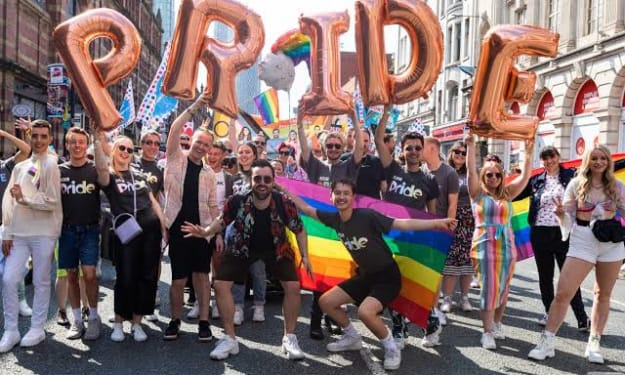
Once upon a time in the vibrant city of Rainbowville, a place known for its inclusive and diverse community, lived two extraordinary individuals named Alex and Jamie. As the annual Pride Parade approached, excitement and anticipation filled the air, seeping into the hearts of the residents.
By George Obeng Kofi Boateng3 years ago in Pride
Why June?
Once upon a time, in the heart of New York City's Greenwich Village, a nondescript bar named the Stonewall Inn stood as a symbol of hope, resistance, and the birthplace of a movement that would change history forever. It was the late 1960s, a period of immense social upheaval, and the LGBTQ+ community found themselves on the front lines of a battle for acceptance and equal rights.
By Peter Ikpah3 years ago in Pride
The Stonewall Riots: Igniting the Modern-Day LGBT Rights Movement. Content Warning.
Introduction: Lesbian, Gay, Bisexual, Transgender (LGBT) Pride Month, celebrated every June in the United States, commemorates the significant historical event known as the Stonewall Riots. Occurring in New York City in 1969, the riots marked a turning point in the struggle for LGBT rights. The confrontations between the police and gay rights activists at the Stonewall Inn unleashed a wave of activism and empowerment, sparking the modern-day LGBT rights movement. This essay delves into the events leading up to the Stonewall Riots, the details of the uprising, and its profound impact on the fight for equality and acceptance.
By hardik kanani3 years ago in Pride
Breaking Down Barriers: Leonard Matlovich's Impact as the First Openly Gay Service Member
Leonard Phillip Matlovich was a decorated military member who received both the Purple Heart and Bronze Star awards following his activities in the Vietnam war. He is notable for being the first openly gay service member who intentionally revealed his sexual orientation to challenge the military's ban on gays.
By Rare Stories3 years ago in Pride
Progress in LGBTQ+ Rights:
Title: The Impact of Pride: Advancements in LGBTQ+ Rights in Various Countries in 2023 Introduction: Pride, a symbol of LGBTQ+ visibility, acceptance, and equality, continues to play a pivotal role in driving advancements in LGBTQ+ rights worldwide. In the year 2023, Pride events have not only celebrated the diverse identities within the community but also fueled legal changes, policy reforms, and social milestones that contribute to greater acceptance and equality for LGBTQ+ individuals in various countries. This essay explores the significant impact of Pride in advancing LGBTQ+ rights by examining specific examples of legal changes, policy reforms, and social progress achieved during 2023.
By Obiajulu Henry3 years ago in Pride
Transgender Rights and Advocacy
Title: Transgender Rights and Advocacy: Paving the Path Towards Equality and Inclusion Introduction: In recent years, the fight for transgender rights and advocacy has gained significant momentum in the United States. This movement strives to address the challenges faced by the transgender community, promote awareness and understanding, and foster a society that embraces equality and inclusion for all. In this article, we will examine the current state of transgender rights in the United States, shed light on the obstacles faced by the transgender community, and explore strategies for effective advocacy, awareness, and allyship.
By Akintomide Duyile3 years ago in Pride
Homophobia in Library Science
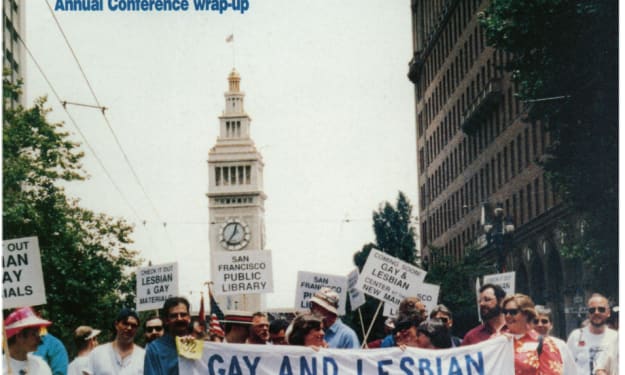
Minority groups in the U.S. have spent their lives fighting for inclusion in American Society, and the Lesbian, Gay, Bisexual, and Transgendered (LGBTQIA+) community is no exception. Many young members of the community begin their search for self in a public or academic library. What gets learned is a huge part of what shapes our lives for a very long time.
By CL Robinson3 years ago in Pride
The Journey Towards LGBTQ+Equality
th is an annual celebration observed in June to honor the LGBTQ+ (lesbian, gay, bisexual, transgender, and queer/questioning) community and to commemorate the history, struggles, and achievements of LGBTQ+ individuals. The history of Pride Month is rooted in the LGBTQ+ rights movement, and it has evolved over time to become a global movement for equality and acceptance. Here is an overview of the history of Pride Month and the way forward: Stonewall Riots: The modern LGBTQ+ rights movement traces its roots back to the Stonewall Riots, which occurred in June 1969 in New York City. After a police raid on the Stonewall Inn, a gay bar in Greenwich Village, LGBTQ+ patrons and community members fought back against the ongoing harassment and discrimination they faced. The riots sparked days of protests and demonstrations, marking a turning point in the fight for LGBTQ+ rights. Early Pride Events: In the years following the Stonewall Riots, LGBTQ+ activists organized events to commemorate the uprising and raise awareness about the issues faced by the community. These events, often called “gay pride parades” or “gay liberation marches,” were held in various cities, including New York, San Francisco, Chicago, and Los Angeles. Evolution of Pride Month: As the LGBTQ+ rights movement gained momentum, the commemorative events expanded beyond single-day marches and parades. In the 1980s, Pride Week was established, providing an entire week of activities and events celebrating the LGBTQ+ community. Eventually, many cities and countries extended the celebrations to cover the entire month of June, leading to the birth of Pride Month. LGBTQ+ Rights Advances: Over the decades, significant advancements have been made in LGBTQ+ rights, including the decriminalization of homosexuality, the recognition of same-sex relationships, anti-discrimination laws, and legal protections. These achievements are the result of tireless activism, advocacy, and legal battles fought by LGBTQ+ individuals and allies. Global Recognition: Pride Month is now recognized and celebrated worldwide, with events, parades, festivals, workshops, and discussions taking place in numerous countries. It serves as a platform for LGBTQ+ individuals to express themselves, raise awareness, foster inclusivity, and advocate for continued progress in achieving equal rights and societal acceptance. The Way Forward: Continued Advocacy: Pride Month remains an important time for advocacy and activism. The LGBTQ+ community and its allies must continue to push for legal protections, fight against discrimination, and strive for equality in all areas of life, including employment, housing, healthcare, education, and public accommodation. Intersectionality: Recognizing and addressing the intersecting identities and experiences within the LGBTQ+ community is crucial. Efforts should be made to support and amplify the voices of LGBTQ+ individuals who face multiple forms of discrimination and marginalization, such as those based on race, ethnicity, socioeconomic status, disability, and gender identity. Education and Awareness: Education plays a vital role in fostering understanding and acceptance. Schools, organizations, and communities should prioritize LGBTQ+ inclusive curricula, resources, and training to combat ignorance, stereotypes, and prejudice. Promoting awareness and empathy can help create safer and more inclusive environments. Transgender Rights: Transgender individuals face unique challenges and discrimination within the LGBTQ+ community. Efforts should be made to advocate for transgender rights, including access to healthcare, legal recognition, protection against violence, and supportive social environments. Global Impact: While progress has been made in many parts of the world, LGBTQ+ individuals in certain countries still face severe discrimination, criminalization, and violence. Advocacy efforts should include a global focus, supporting LGBTQ+ rights internationally and working towards a world where everyone can live authentically. Pride Month is an important celebration and recognition of the LGBTQ+ community. While there are many symbols and icons associated with Pride Month, here are some of the most widely recognized ones: Rainbow Flag: The rainbow flag, also known as the Pride flag, is the most iconic symbol of the LGBTQ+ community. It consists of six horizontal stripes of vibrant colors, representing diversity and inclusivity. Pink Triangle: The pink triangle was originally used by the Nazis during World War II to identify and persecute gay men. However, it has been reclaimed as a symbol of pride and remembrance for LGBTQ+ individuals who have faced discrimination and persecution. Transgender Symbol: The transgender symbol is a combination of the male and female symbols with an additional arrow in the center. It represents transgender individuals and the concept of gender identity beyond the binary. Bisexual Pride Flag: The bisexual pride flag consists of three horizontal stripes: pink, purple, and blue. It represents the attraction to both genders and promotes visibility and acceptance of bisexual individuals. Pansexual Pride Flag: The pansexual pride flag is composed of three horizontal stripes: pink, yellow, and blue. It represents sexual or romantic attraction to people of all genders and highlights the fluidity of attraction. Non-Binary Pride Flag: The non-binary pride flag features a yellow stripe in the middle, flanked by white stripes on top and bottom, and black stripes on the edges. It represents individuals who identify outside the traditional gender binary. Intersex Pride Flag: The intersex pride flag includes a yellow circle on a purple background. It symbolizes individuals born with intersex variations and promotes awareness and acceptance of intersex identities. LGBTQ+ Equality Symbol: The equal sign (=) inside a square is a simple yet powerful symbol of LGBTQ+ equality. It represents the ongoing fight for equal rights and treatment for all individuals, regardless of their sexual orientation or gender identity. These are just a few of the many symbols and icons associated with Pride Month. Each one carries its own unique meaning and represents a different aspect of the LGBTQ+ community’s diversity and resilience. Today, Pride Month is marked by various events, including parades, marches, festivals, panel discussions, film screenings, art exhibitions, and community gatherings. These events provide a platform for LGBTQ+ individuals and their allies to come together, express themselves, and advocate for equality and inclusivity. Many cities around the world hold their own Pride celebrations, with some of the most famous being the New York City Pride March, San Francisco Pride Parade, London Pride, and Berlin Pride. Pride Month serves as a reminder of the progress that has been made in the fight for LGBTQ+ rights, while also highlighting the ongoing challenges and discrimination faced by the community. It is a time to celebrate individuality, promote acceptance, and work towards a more inclusive and equal society for all.
By Philip Divine 3 years ago in Pride