how to
How-tos for all things poetry; learn how to analyze a poem, construct a haiko, differentiate between a metaphor and simile and more.
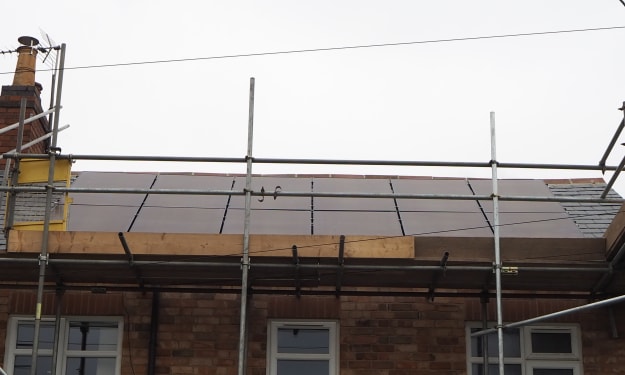
Saving the World, Photon by Photon
(This poem began life in free verse with the title "Capturing the Sun", but I thought it might be an interesting exercise to rewrite it in a different format, namely a variant of blank verse. This was the format used by Shakespeare to write most of his plays and by Milton for "Paradise Lost". My blank verse falls far short of theirs! Proper blank verse comprises unrhymed iambic pentameters - my poem meets the requirements of lack of rhyme and 10 syllables to every line, but I cannot claim to have written in perfect iambs throughout!)
By John Welford5 years ago in Poets
What Is A Poem?
What is a poem? May as well ask, What is a bird? If your answer is, A creature that wants to fly, you are in the right place. Some consider the purpose of poetry is merely to create of mundane thoughts something poetic, a sort of polemic or didacticism or biograph dressed up in Sunday clothes. The creation of something poetic is, rather, a consequence, not a purpose. If you wish to give a sermon or a speech, do. However eloquent, this is not quite a poem.
By C S Hughes5 years ago in Poets
A Matrix of Change
There used to be a time when there were limited ways to share a poem: type it, photocopy it, or say it aloud. Of course we know these are what's now referred to as "Dinosaur Methods". I quickly found this out when my son laughed me out of his room after I so proudly shared a Facebook post where I had photo shot a picture of my poem. It was this moment that inspired me to find 'new millennium' ways to share my work. Yes, my timeshare in my comfort zone was bound to be rented by my fearless way forward.
By Joyce Plair-Jordan5 years ago in Poets
Imagery, Lies, and a Ticket to the Circus
When I think about what makes a poem stand out, I think of fantastic imagery. Poems that employ rich descriptions and use details that allow me to fall into the poem and experience it on as many levels as possible — hearing, smelling, seeing, feeling — are poems that I tend to remember long after I first read them. The details are what re-emerge later in my mind. Carefully crafted imagery lends a particular power to a poem, helping to shape the poem’s tone and guide the reader into its unique world. Imagery sets the mood. It’s the candles and jazz of poetry writing.
By Vanessa Jimison5 years ago in Poets