
Pablo Neruda: The Poet of the People and the Power of Passion
Exploring the Life, Love, and Legacy of Chile’s Nobel Prize-Winning Poet

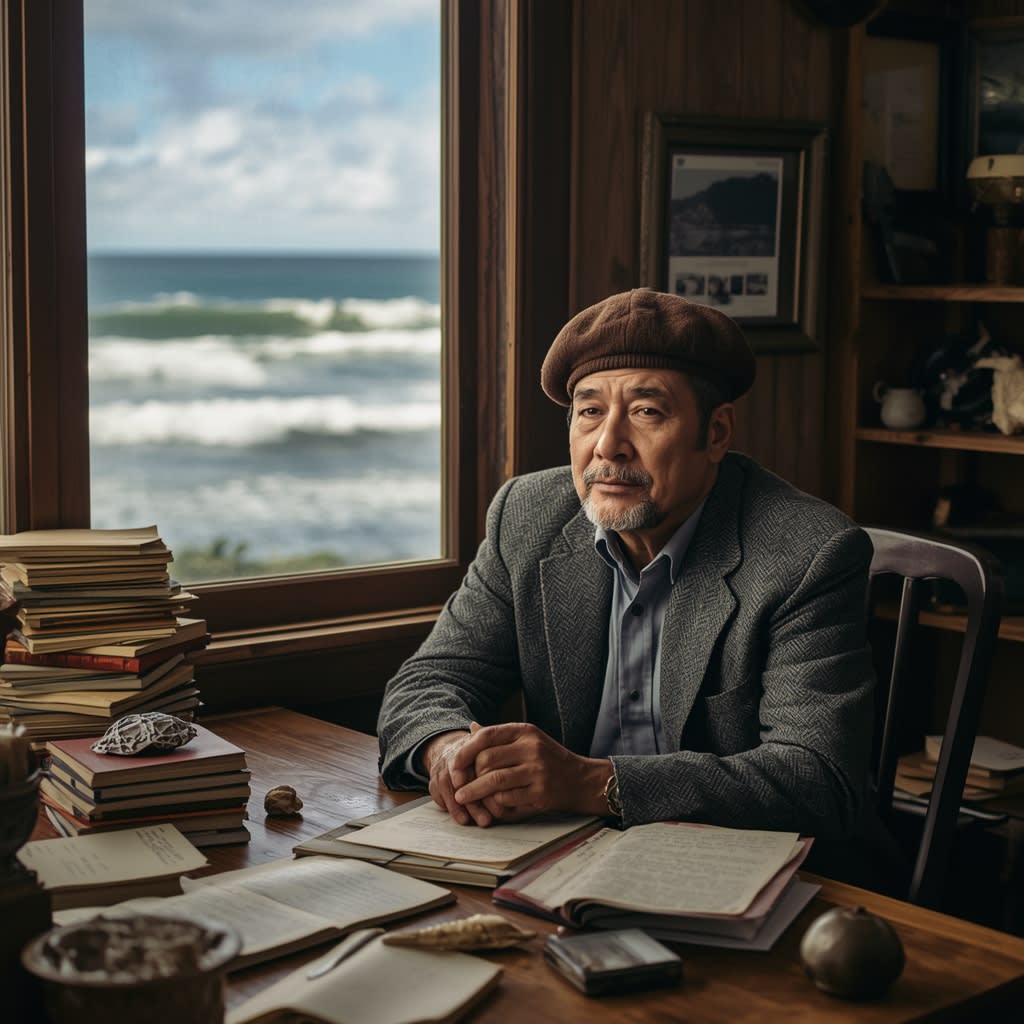
Introduction: Who Was Pablo Neruda?
Pablo Neruda was more than just a poet — he was a voice for love, for resistance, and for the spirit of the human soul. Born Ricardo Eliécer Neftalí Reyes Basoalto in Chile in 1904, Neruda became one of the most celebrated and prolific poets of the 20th century. His work touched on everything from deep romantic longing to political revolution, earning him the Nobel Prize in Literature in 1971.
Neruda’s poetry is both intimate and universal. Whether he was writing about the aching beauty of a lover’s body, the dignity of workers, or the silent sorrow of lost time, his words always seemed to come straight from the heart of humanity.
Early Life and Literary Beginnings
Neruda began writing poetry at an early age. His first collection, “Crepusculario” (Twilight Book), was published in 1923 when he was only 19 years old. A year later, he released “Twenty Love Poems and a Song of Despair” (Veinte poemas de amor y una canción desesperada), which became one of the most widely read books of poetry in the Spanish language.
Key Themes in His Early Work:
Love and Loss
Nature and Desire
Loneliness and the Human Condition
Despite the passion in his words, Neruda often wrote in a quiet, meditative tone, allowing readers to feel the pulse of emotion without being overwhelmed by it.
Neruda and the Power of Political Poetry
As Neruda matured, so did his engagement with the world. He served as a diplomat in several countries, but his political awakening occurred during the Spanish Civil War, where he became a vocal supporter of the Republican side and a lifelong communist.
This period shifted his poetic voice. He moved away from personal romance and embraced poetry as a weapon — a means to fight injustice and to uplift the oppressed.
Key Works of Political and Social Poetry:
“España en el corazón” (Spain in the Heart)
“Canto General” (General Song) — a sweeping epic of Latin American history, struggle, and resistance
Through these works, Neruda used poetry to tell the story of the common people, the land, and the invisible battles waged in silence. His pen became a sword — gentle but unyielding.
Pablo Neruda’s Love Poems: Sensual, Earthy, Eternal
Though Neruda became deeply political, he never abandoned the realm of love and sensuality. His romantic poetry is perhaps his most famous and beloved.
In poems like:
“Tonight I Can Write the Saddest Lines”
“I Do Not Love You Except Because I Love You”
“If You Forget Me”
“Sonnet XVII” (I don’t love you as if you were a rose of salt)
… he writes with emotional depth and earthy sensuality, exploring the passion, pain, and paradox of love.
What Makes Neruda’s Love Poetry Unique?
He writes not in abstraction, but with physical imagery: the sea, the wind, the body.
His tone is honest and raw, never overly romanticized.
He captures love as a living, changing force — often joyful, sometimes devastating, always real.
His love poems are often cited in weddings, memorials, and personal reflections, proving that poetry can speak what the heart cannot say.
Nobel Prize and Global Recognition
In 1971, Pablo Neruda was awarded the Nobel Prize in Literature for his body of work. The Nobel Committee praised his ability to create poetry “with the action of an elemental force,” giving voice to the voiceless while maintaining a lyrical, unforgettable style.
By this time, Neruda was not just a national hero in Chile, but a global literary icon — translated into dozens of languages, admired by writers from every continent, and revered by readers across generations.
Final Years and Legacy
Neruda died in 1973, shortly after the military coup that overthrew his friend and Chilean president Salvador Allende. Though there has been controversy surrounding his death, with suspicions of poisoning, his legacy remains untouched by political intrigue.
Today, Neruda's homes in Isla Negra, Valparaíso, and Santiago have been turned into museums, attracting lovers of poetry from around the world.
Why Pablo Neruda Still Matters Today
Neruda’s poetry continues to resonate in today’s world — a world still grappling with inequality, love, identity, and the longing for meaning.
His Words Inspire:
Activists, who find courage in his resistance poems
Lovers, who find truth in his sonnets
Writers and Artists, who learn from his balance of emotion and craft
Pablo Neruda believed in the poetry of the people — that words should belong to everyone, not just the elite. He wrote not from a tower, but from the earth, the bedroom, the battlefield, and the street.
Conclusion: Pablo Neruda, the Eternal Voice
Pablo Neruda’s poetry is not meant to be admired from a distance — it’s meant to be felt, read aloud, whispered to a lover, or cried over in silence. His legacy lives on not only in books and classrooms but in hearts around the world.
Whether you’re searching for the perfect poem to describe a broken heart, or the fire to fuel your fight for justice, Neruda’s voice still echoes — reminding us that poetry is not just beauty, but life itself.
SEO Keywords Included:
Pablo Neruda biography
Pablo Neruda poems
Pablo Neruda love poetry
Political poetry of Pablo Neruda
Canto General summary
Pablo Neruda Nobel Prize
Famous Latin American poets
20th-century poets
Best poems by Pablo Neruda
Chilean poet legacy
About the Creator
Alexander Mind
Latest Stories
Keep reading
More stories from Alexander Mind and writers in Poets and other communities.
Homer: The Legendary Poet of Ancient Greece
Introduction: Who Was Homer? Homer is one of the most influential figures in world literature. As the author of The Iliad and The Odyssey, two of the greatest epic poems in history, Homer’s work laid the foundation for Western storytelling, poetry, and even philosophy. His name echoes through the ages, despite the fact that little is known about his life.
By Alexander Mind4 months ago in Poets



Comments
There are no comments for this story
Be the first to respond and start the conversation.