
Louise Glück: A Poet of Deep Introspection and Lyrical Elegance
Louise Glück (1943–2023) was one of the most celebrated poets of her generation, known for her stark, introspective style and the profound emotional depth of her work. Her poetry explores themes of loss, trauma, family, nature, and self-discovery, often drawing from mythology and personal experience. In 2020, she was awarded the Nobel Prize in Literature, further solidifying her place as a monumental figure in modern poetry.
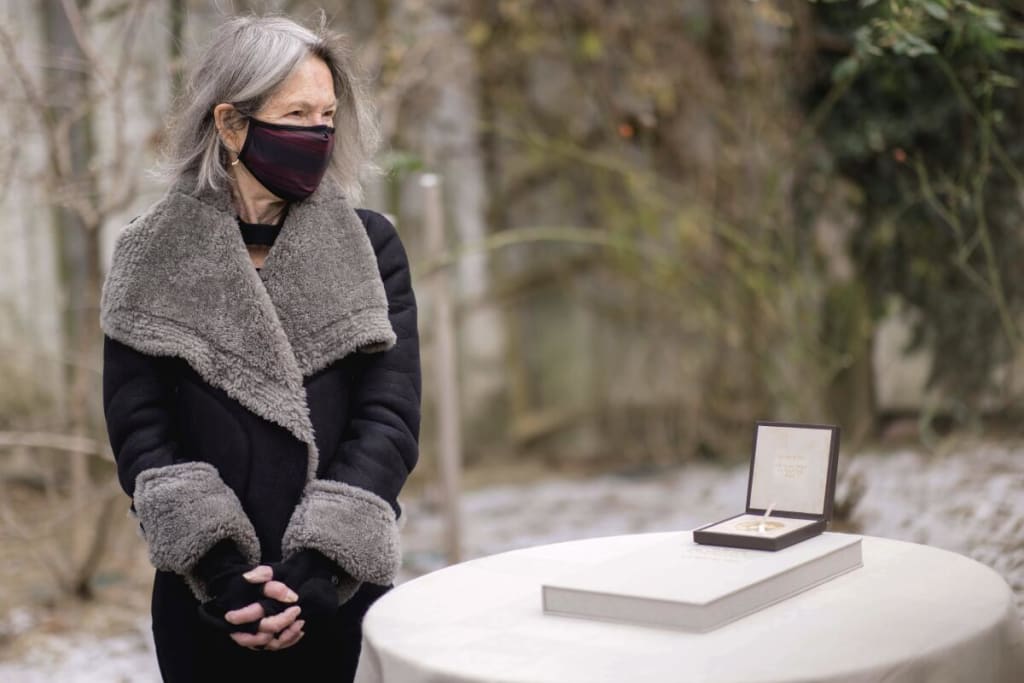
Early Life and Influences
Born in New York City on April 22, 1943, Glück grew up in Long Island. From a young age, she exhibited a deep love for literature and the written word. However, her teenage years were marked by personal struggles, including a battle with anorexia nervosa. These early experiences with suffering and recovery would later influence the themes of her poetry, particularly her exploration of pain, survival, and identity. She attended Sarah Lawrence College and later Columbia University, though she did not earn a formal degree. Instead, she dedicated herself to the craft of poetry, studying under the guidance of influential poets and mentors.
Poetic Style and Themes
Glück’s poetry is renowned for its economy of language, precision, and raw emotional honesty. Her work often features first-person speakers who navigate personal and universal suffering, yet she resists direct autobiography. Instead, she uses mythology, nature, and allegory to elevate individual experiences into broader human truths.
One of her defining stylistic features is minimalism—her poems are rarely elaborate or verbose, favoring instead a stripped-down, haunting clarity. Her verses are deceptively simple yet profoundly layered, rewarding careful and repeated reading. Another key element of her work is mythological intertextuality; she frequently reimagines classical myths, using figures like Persephone, Eurydice, and Achilles to explore themes of fate, loss, and transformation.
Major Works and Their Significance
Firstborn (1968)
Glück’s debut collection, Firstborn, showcased her early poetic voice—sharp, intense, and somewhat cynical. The collection deals with themes of familial tension, alienation, and existential questioning. Though she later distanced herself from its stark tone, Firstborn marked the beginning of a distinguished literary career.
The Wild Iris (1992)
Perhaps her most famous work, The Wild Iris won the Pulitzer Prize for Poetry and remains a landmark in modern American poetry. This collection revolves around the cycle of life, death, and rebirth, using the voice of flowers, the changing seasons, and a meditative speaker to reflect on spiritual and existential themes. The titular poem, The Wild Iris, encapsulates Glück’s signature blend of lyricism and profound insight:
"At the end of my suffering
there was a door."
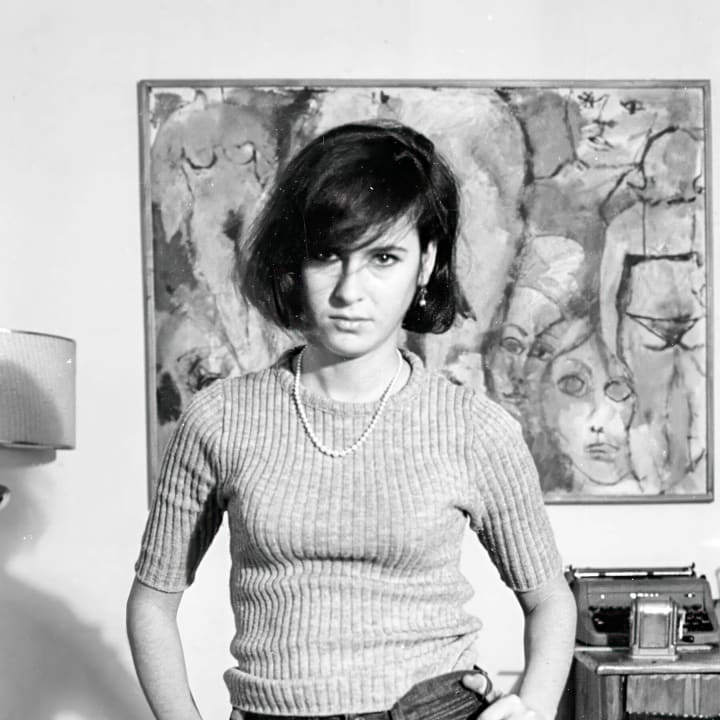
These opening lines set the tone for a collection that explores renewal, personal growth, and resilience.
Meadowlands (1996)
In this collection, Glück merges contemporary domestic struggles with classical myth, particularly the story of Odysseus and Penelope. The book dissects the breakdown of a marriage through a dual narrative—mythical and modern—offering a raw and honest portrayal of love and disillusionment.
Averno (2006)
This collection is often regarded as one of Glück’s masterpieces. It presents a haunting meditation on death and the afterlife, particularly through the myth of Persephone. Averno is a reference to a crater in Italy that was believed to be an entrance to the underworld. Through Persephone’s story, Glück contemplates themes of mortality, loss, and the passage of time.
Faithful and Virtuous Night (2014)
This collection, which won the National Book Award, takes on a more narrative form, chronicling an aging painter’s reflections on life, memory, and the journey toward the end. It maintains Glück’s signature introspection while incorporating a dreamlike, almost surreal quality.
Winter Recipes from the Collective (2021)
One of her final collections, Winter Recipes from the Collective, published after her Nobel win, continues her exploration of aging, solitude, and existential contemplation. The collection’s minimalist and deeply introspective tone is a poignant coda to her literary legacy.
The 2020 Nobel Prize in Literature
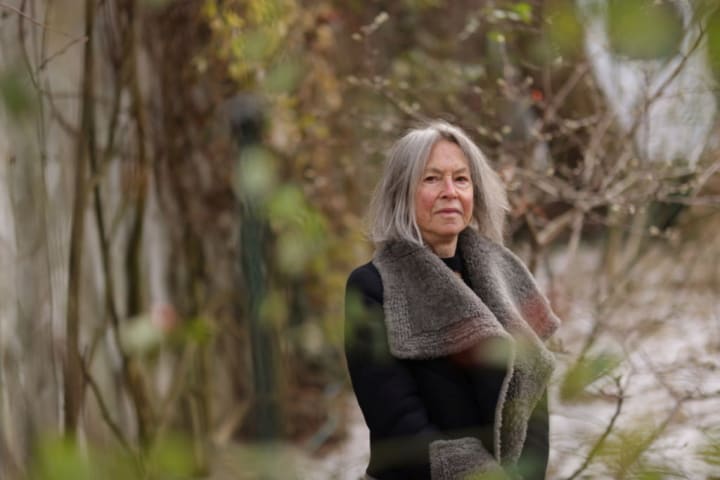
Louise Glück was awarded the Nobel Prize in Literature in 2020 "for her unmistakable poetic voice that with austere beauty makes individual existence universal." This recognition brought her work to a broader international audience, introducing new readers to her introspective and emotionally resonant poetry.
Her Nobel lecture, like her poetry, was deeply reflective. She spoke about the poetic process, her influences, and the delicate balance between solitude and connection in art. Unlike some laureates who deliver grand, sweeping statements, Glück’s speech was characteristically humble, introspective, and deeply personal.
Legacy and Influence
Louise Glück’s influence on contemporary poetry is immeasurable. Her work has inspired countless poets with its clarity, depth, and honesty. She proved that poetry does not need grandiosity or excessive ornamentation to be deeply moving. Instead, her work exemplifies the power of precision, quiet intensity, and the ability to turn personal sorrow into universal insight.
Her contributions extended beyond her own poetry; as a teacher and mentor, she helped shape the next generation of poets. She taught at Yale University and other institutions, where she was known for her keen editorial insight and rigorous approach to poetic craft.
Conclusion
Louise Glück’s poetry remains a beacon of emotional depth, intellectual rigor, and lyrical beauty. Through her exploration of grief, love, identity, and renewal, she crafted a body of work that continues to resonate across generations. Her words, always precise yet profoundly evocative, remind us of poetry’s enduring power to illuminate the human experience.
As readers return to her collections, they find in her work an ever-deepening well of meaning—poems that, like nature itself, change with the seasons of our own lives. In her poetry, there is always a door at the end of suffering, always the possibility of renewal, always the quiet force of words that echo long after they are read.
About the Creator
Mr Ali
Hello EveryOne..!!



Comments (1)
This was really good I like the ending