
Jericho Brown: A Poet of Power, Identity, and Innovation
Jericho Brown is one of the most compelling voices in contemporary American poetry. His work is characterized by its deep emotional resonance, lyrical intensity, and fearless exploration of identity, race, queerness, and history. Brown’s ability to weave personal and political themes into his poetry has earned him widespread acclaim, including the 2020 Pulitzer Prize for Poetry for his collection The Tradition.
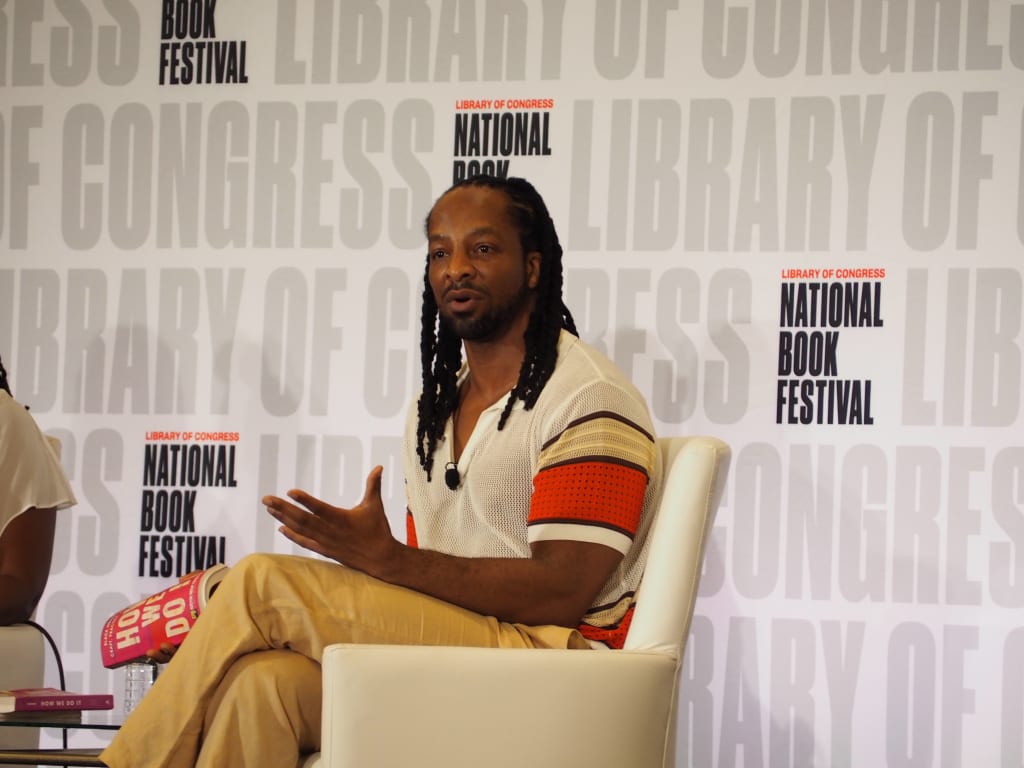
Early Life and Career
Born in Shreveport, Louisiana, in 1976, Jericho Brown (born Nelson Demery III) was raised in the South, an environment that deeply influenced his writing. He attended Dillard University before earning an MFA from the University of New Orleans and later a Ph.D. in literature and creative writing from the University of Houston. His early work was marked by a keen sensitivity to language and a deep engagement with the complexities of Black identity and experience.
Brown's first collection, Please (2008), was widely praised for its raw vulnerability and musicality. This debut collection explored themes of desire, family, and trauma, drawing from personal experiences and broader cultural narratives. His second collection, The New Testament (2014), delved further into issues of faith, sexuality, and survival, solidifying his reputation as a major literary voice.
The Tradition and Pulitzer Prize Win
The Tradition, published in 2019, was the collection that propelled Brown to national and international recognition. The book won the 2020 Pulitzer Prize for Poetry and was a finalist for the National Book Award. In this collection, Brown examines themes of violence, masculinity, love, and resilience, often drawing on his personal experiences as a Black gay man in America.
One of the most notable aspects of The Tradition is its innovative use of form, particularly Brown’s creation of the “duplex.” The duplex is a hybrid poetic form that combines elements of the sonnet, the ghazal, and the blues, creating a new and powerful way to engage with repetition, transformation, and emotional depth. This form allowed Brown to explore difficult subjects—such as police brutality, systemic racism, and personal trauma—through a structured yet fluid poetic lens.
Themes and Style
Brown’s poetry is often described as musical and rhythmically intricate, drawing influence from both traditional and contemporary sources. His work is deeply personal yet universally resonant, addressing issues of identity, history, and resistance with a rare combination of intensity and lyricism.
1. Race and Identity:
Brown’s poetry frequently explores what it means to be a Black man in America. His work does not shy away from the realities of racial violence, systemic oppression, and historical trauma. Poems like The Tradition and Bullet Points directly address the dangers faced by Black Americans, while also celebrating Black resilience and beauty.
2. Queerness and Desire:
As an openly gay man, Brown often writes about queer love, longing, and the complexities of desire. His poetry portrays intimacy with honesty and tenderness, challenging societal norms and expectations surrounding masculinity and relationships. His depiction of love is both deeply personal and politically significant, pushing back against homophobia and rigid gender roles.
3. Family and Personal History:
Brown’s work frequently reflects on his upbringing, particularly his relationship with his parents and the influence of the Southern Baptist tradition. His poetry examines the tension between faith and sexuality, as well as the legacies of familial love and trauma.
4. Formal Innovation:
Brown’s invention of the duplex form is a testament to his commitment to pushing the boundaries of poetic structure. His work often experiments with repetition, internal rhyme, and shifting perspectives, creating a unique and compelling poetic voice.
Impact and Legacy
Jericho Brown’s influence extends beyond his own poetry. As a professor and director of the Creative Writing Program at Emory University, he has mentored a new generation of poets, encouraging them to explore their voices and push the limits of the genre. His work has been featured in major literary journals and anthologies, and he continues to be a leading figure in contemporary poetry.
Brown’s poetry speaks to the urgency of our time, addressing social injustice, personal freedom, and the enduring power of love and art. His ability to merge personal narrative with broader cultural critique makes him a poet of both the present and the future.
Conclusion
Jericho Brown is a poet of immense talent, courage, and innovation. His work challenges, moves, and inspires readers with its lyrical brilliance and unflinching honesty. Through collections like Please, The New Testament, and The Tradition, he has reshaped modern poetry, offering new forms and new ways of seeing the world. As he continues to write and teach, Brown’s legacy as one of the most vital poets of our time is assured.
About the Creator
Mr Ali
Hello EveryOne..!!
The Hardest Lesson I Learned in Life
Life has a strange way of teaching us lessons. Some come gently, like a quiet whisper. Others arrive like a storm, shaking everything we believe. The hardest lesson I ever learned didn’t come from school, books, or advice from others. It came from experience — and it changed the way I see the world.
By Imran Ali Shaha day ago in Poets



Comments
There are no comments for this story
Be the first to respond and start the conversation.