
Only the Classics
The roots from which poetry as we know it has flourished. Taking you back to the classical era, one stanza at a time.
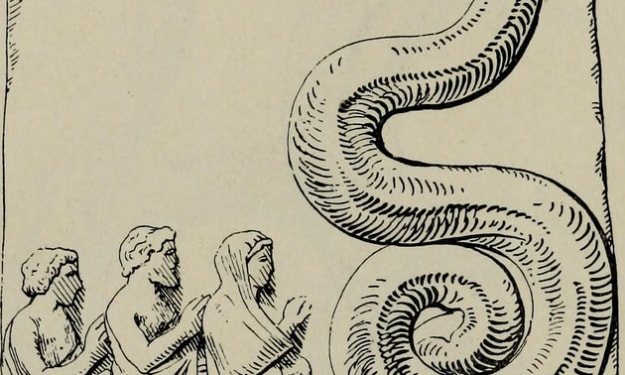
Ovid's Movement From Mythology
Introduction Through great minds we receive great intellect, but furthermore, greater comprehension of cultural diversity throughout periodical works. We gain the ancient stories of the fulfillment of destinies and the divine interactions interconnecting gods and goddesses with mortal endeavors. We have the privilege to witness what history books do not have the time to divulge: raw evidence of an evolving people beyond invention, but reaching to a higher power, a religious upbringing of a culture constantly seeking the ultimate. While most works focus on the geographical religion of their time, Ovid writes an epic which breaks this model by diminishing the gods and moving towards the glorification of a Roman Empire standing on the foundation of its people, not the chaos of the gods.
By Kayla Starr8 years ago in Poets
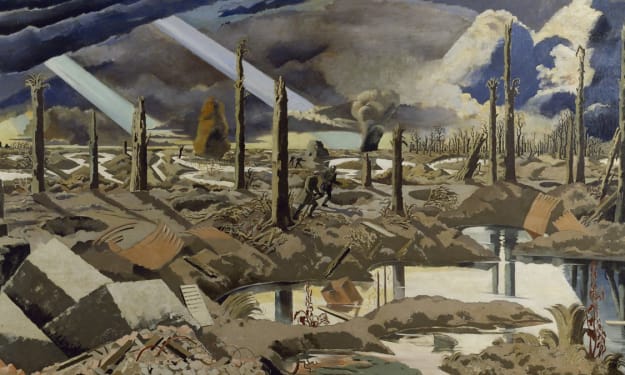
T.S. Eliot's "The Waste Land"
"The Waste Land" is a wrathful attack on modern civilisation, stretching not only to the horror of the Great War but attacking the society that bore it. In his sobering evocations of ancient myths and Shakespearean lines, T.S. Eliot contrasts contemporary society with the past, atheism with belief; thus bringing about the breakdown and dysfunction of the society of "Wasteland."
By Louis Nicholas8 years ago in Poets