
The Nature of Bangladesh: A Land of Timeless Beauty
Bangladesh

The Nature of Bangladesh: A Land of Timeless Beauty
Bangladesh, nestled in the heart of South Asia, may seem like a small country on the map, but its natural beauty is vast, diverse, and breathtaking. From the mighty rivers that shape its landscape to the lush green forests, golden fields, and serene beaches, the nature of Bangladesh is a reflection of peace, harmony, and abundance. This article explores the natural beauty of Bangladesh, its unique geographical features, and the way it influences the life and culture of its people.
Riverine Beauty
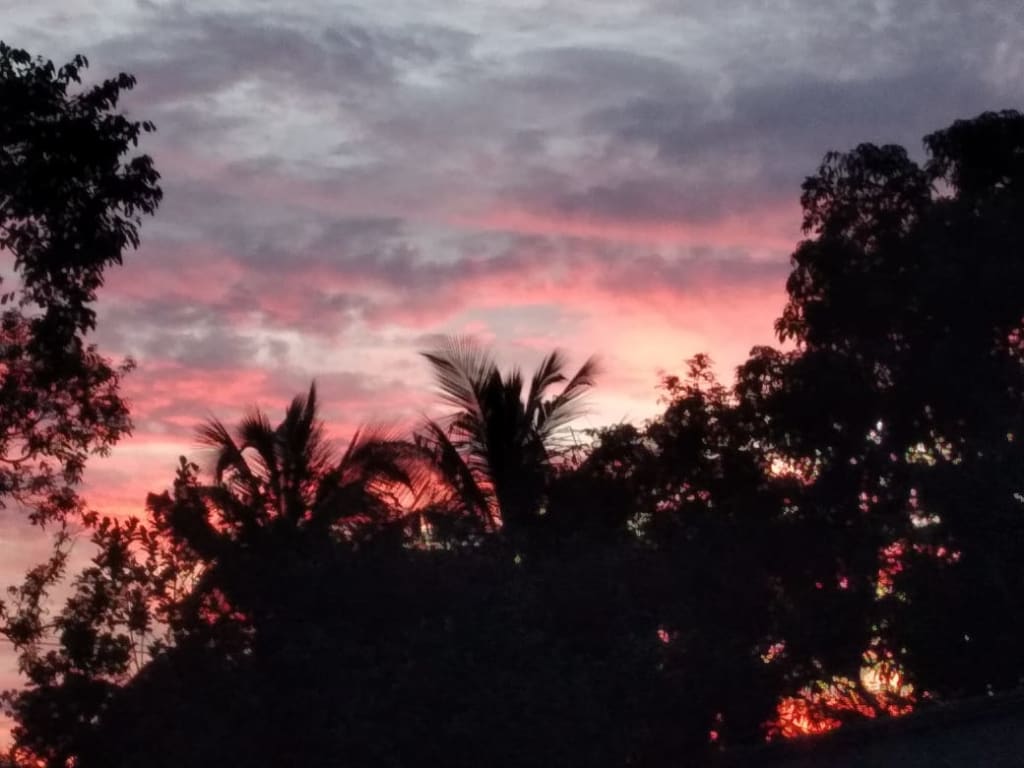
One of the most striking features of Bangladesh is its identity as a riverine country. With over 700 rivers, including the mighty Padma, Jamuna, and Meghna, water plays a vital role in shaping the landscape and lives of people. These rivers are not just sources of water; they are the veins of the land, feeding its soil, crops, and biodiversity. During the monsoon, the rivers swell and create scenes of spectacular beauty—boats floating in flooded fields, golden sunsets reflecting off the water, and the gentle sound of flowing streams creating a symphony of serenity.
The rivers also contribute to the fertility of the land, making Bangladesh one of the most agriculturally productive countries in the region. Green rice fields stretching out like carpets, jute plantations swaying in the breeze, and colorful fishing boats are all part of this vibrant riverine ecosystem.
Lush Greenery and Fertile Lands
The soil of Bangladesh is rich and fertile, making it an agricultural haven. Most of the country is covered in greenery for most of the year. From vast paddy fields to coconut groves and mango orchards, nature expresses itself in full glory. Especially during the rainy season, the entire country seems to wear a green robe.
Villages in Bangladesh are known for their natural charm—small ponds filled with lotus flowers, bamboo clusters, and narrow winding paths through green fields. The sounds of birds, rustling leaves, and the occasional rainfall create a peaceful, rural melody that’s both calming and rejuvenating.
Forests and Wildlife
Bangladesh is also home to a variety of forests, including the world-famous Sundarbans, the largest mangrove forest on Earth. This UNESCO World Heritage Site is home to the majestic Royal Bengal Tiger, spotted deer, monkeys, crocodiles, and numerous species of birds. The Sundarbans is not just a forest; it is a living ecosystem that protects the coastal areas from storms and floods.
Apart from the Sundarbans, there are beautiful forested areas in Sylhet, Chittagong Hill Tracts, and the Madhupur and Lawachara forests. These regions are rich in biodiversity and natural beauty. Trekking through the hills of Bandarban or camping in the Lawachara rainforest provides a sense of adventure and deep connection with nature.
The Hills and Waterfalls
The southeastern part of Bangladesh, especially the districts of Bandarban, Rangamati, and Khagrachari, are filled with hills and forests. These hilly regions are dramatically different from the plains of the rest of the country. Covered in green forests, these hills are home to indigenous communities, unique cultures, and a variety of flora and fauna.
Beautiful waterfalls like Nafakhum, Amiakhum, and Madhabkunda are hidden treasures nestled in these hilly regions. Tourists often trek through dense forests and rocky paths to reach these places, and the reward is always worth it—pure, untouched natural beauty.
The Sea and the Longest Beach
Bangladesh has a stunning coastline along the Bay of Bengal. The Cox’s Bazar sea beach, the longest uninterrupted natural sandy sea beach in the world, is one of the top tourist destinations. With its golden sand, gentle waves, and beautiful sunrises and sunsets, it attracts millions of visitors each year.
Saint Martin’s Island, a small coral island in the south, offers crystal-clear blue waters, coral reefs, and marine biodiversity. It’s a paradise for nature lovers and those seeking peace away from the hustle of city life.
The Changing Seasons
Bangladesh experiences six distinct seasons: summer, monsoon, autumn, late autumn, winter, and spring. Each season brings its own charm and transformation to the landscape. Summer brings vibrant colors, while the monsoon drenches the land and fills the rivers. Autumn clears the skies, and the golden fields of ripe paddy in late autumn are a feast for the eyes. Winter brings a mild chill and morning fogs, and spring bursts with flowers and fresh energy.
This rhythmic change of seasons makes Bangladesh’s nature dynamic and ever-evolving. Poets like Rabindranath Tagore and Kazi Nazrul Islam have beautifully captured these seasonal moods in their writings.
Influence on Culture and Life
The natural beauty of Bangladesh is deeply woven into its culture, literature, music, and everyday life. Folk songs, like Bhatiali and Baul, often describe rivers, fields, rain, and the beauty of rural life. Traditional festivals, such as Nabanna (harvest festival), celebrate the gifts of nature and agriculture.
Even in urban areas, parks, lakes, and botanical gardens serve as green lungs and relaxation spots for the public. People from all walks of life feel a connection to nature—it’s not just scenery, but a way of life.
Challenges and Conservation
Despite its rich natural heritage, Bangladesh faces serious environmental challenges. Deforestation, river pollution, climate change, and unplanned urbanization threaten the delicate balance of its ecosystems. The Sundarbans are under pressure due to rising sea levels and industrial activities. Many rivers are shrinking or dying due to pollution and encroachment.
Efforts are being made by both government and non-government organizations to protect and preserve nature. Awareness campaigns, eco-tourism, reforestation projects, and stricter environmental laws are helping, but more consistent and community-driven efforts are needed.
Conclusion
The nature of Bangladesh is more than just a backdrop; it is the heart and soul of the country. Its rivers, forests, hills, and fields tell a story of resilience, beauty, and harmony. As we move forward in development and modernization, it is essential to preserve this natural wealth for future generations. Only then can Bangladesh remain the poetic, peaceful land that has inspired countless hearts with its timeless beauty.
About the Creator
Keep reading
More stories from Md Sohan and writers in Photography and other communities.
The Art of Nature Photography
Capturing Serenity: The Art of Nature Photography Nature photography is more than just a hobby or a means to document the world—it is a form of art, a way to tell stories that words sometimes cannot express. It allows us to capture fleeting moments of beauty, the intricate patterns of leaves, the mesmerizing movement of clouds, and the quiet grandeur of a setting sun. Among the vast range of nature photography subjects, landscapes hold a special place. They transport us into a world of calm and reflection, especially when captured with emotion and depth.
By Md Sohan9 months ago in Photography
My Year, in Prattling and Photos
It's been a year since... last year. Ironically, it seems I've found myself a new tradition of getting sick during the New Year holidays. At least, this year (that is, this inter-year period remarkable for its shiny decorations in the streets and houses, and closed supermarkets and pretty much everything), I'm doubtlessly doing better: I've managed to come visit my friends in Germany for Christmas (which I failed to do last year) and—after having some good quality time eating machanka, playing Munchkin and swinging machetes (the last one obviously crept into this checklist only for the sake of the phonological form)—I came back home via proverbial Deutche Bahn and probably less known Schweizerische Bundesbahnen, my body hosting a family of viruses, virions and who knows what other tiny critters somewhere inside my chest.
By Andrei Z.19 days ago in Photography
A Lifetime of Shakas
For more than three decades as a part-time freelance news and sports photographer in Hawaiʻi, I’ve captured countless moments across the islands — and a few on the mainland. Along the way, almost without realizing it, I built an ever-growing photo archive of people flashing the shaka sign.
By Tim Wrightabout 17 hours ago in Photography
Silver Screen Magic with Mae West
American actress and singer Mae West became a popular film actress during the Great Depression. She started entertaining in vaudeville, then performed on Broadway, and finally went to Hollywood. She signed up with Paramount Pictures and made her debut in the 1932 film “Night After Night.” She also starred in musicals, comedies, and crime dramas. The American Film Institute named her one of the best classic Hollywood actresses.
By Rasma Raisters7 days ago in Geeks



Comments
There are no comments for this story
Be the first to respond and start the conversation.