
Best Lenses for Sports: Capture Action Like a Pro
Are you looking to capture the heart-pounding action of a game-winning goal or the split-second intensity of a slam dunk? The right lens can make all the difference.

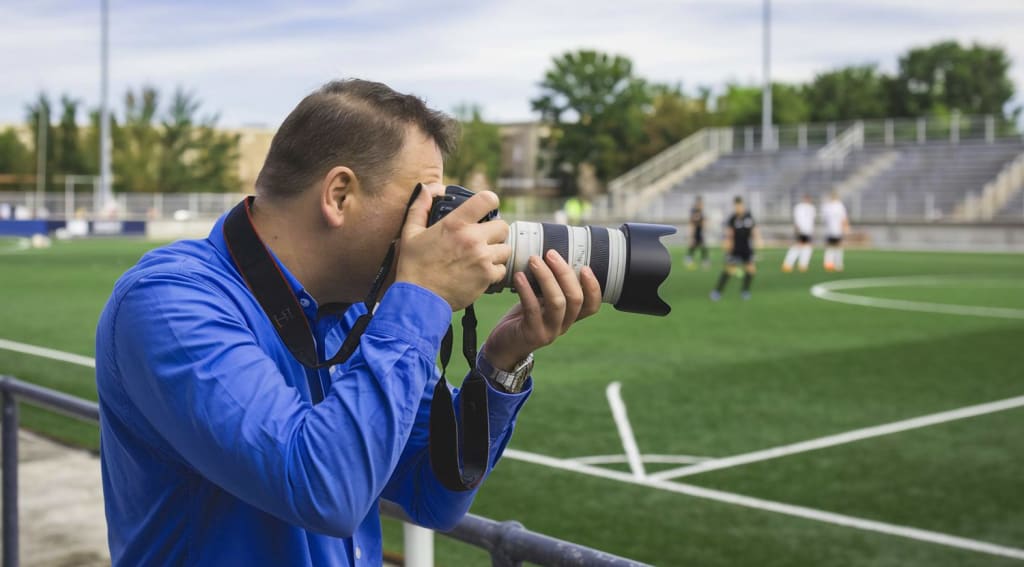
Sports photography isn’t just about pointing your camera and clicking—it’s about freezing dynamic moments with precision and clarity. But with so many lens options out there, how do you know which one is the perfect fit for your needs? Don’t worry, we’ve got you covered.
In this guide, we’ll break down the best lenses for sports photography, helping you choose the gear that will take your action shots to the next level. Ready to elevate your photography game? Let’s dive in!
Top Features To Look For
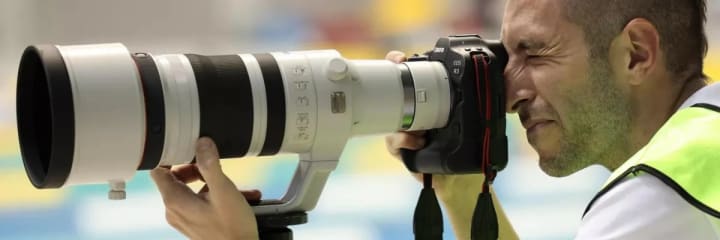
Choosing the right lens for sports photography can make or break your shots. The fast-paced action demands precision, speed, and reliability. Let’s break down the top features you need to consider when picking the best lenses for capturing those game-winning moments.
Fast Autofocus
In sports photography, timing is everything. Your lens should have a fast and accurate autofocus system to keep up with the action. Look for lenses with advanced autofocus motors like Canon’s USM, Nikon’s Silent Wave Motor, or Sony’s XD Linear Motor for quick and quiet focusing.
Test the lens in dynamic situations, like a local game or even your pet running in the backyard. A lens that lags or hunts for focus will leave you missing key moments. You want a lens that locks onto your subject instantly, even in challenging lighting conditions.
Wide Aperture
A wide aperture is essential for shooting sports, especially in low-light settings like indoor arenas or evening games. Lenses with f/2.8 or wider apertures let in more light, ensuring faster shutter speeds to freeze the action.
Additionally, a wide aperture creates a beautiful background blur (bokeh), making your subject pop. This is particularly useful in crowded scenes where you want to isolate the player or action. Consider lenses like the 70-200mm f/2.8, which strikes a great balance between aperture and versatility.
Focal Length Options
Your choice of focal length depends on the sport you’re shooting. For larger fields like soccer or football, telephoto lenses in the 300mm to 400mm range are ideal. They allow you to capture close-up action from a distance.
If you’re shooting indoor sports like basketball or volleyball, a zoom lens like the 24-70mm or 70-200mm offers flexibility. The ability to adjust your focal length on the fly is invaluable for capturing everything from wide shots of the court to tight player portraits.
Durability And Weather Sealing
Sports photography often puts you in unpredictable environments. Whether it’s rain during a soccer match or dust at a motocross event, your lens needs to withstand the elements. Look for lenses with weather sealing to protect against moisture and debris.
Durability also matters because you’ll be moving around a lot, and your gear will inevitably take some knocks. Professional-grade lenses are often built with metal barrels and reinforced materials to handle rough conditions. A lens that lasts will save you money and stress in the long run.
So, which feature stands out to you as a must-have for your next sports lens? Think about your shooting style and the environments you’ll be in. The best lens for sports isn’t just about specs—it’s about how well it fits your needs on the field.
Prime Vs. Zoom Lenses
Choosing the right lens for sports photography is crucial. Prime and zoom lenses are popular options, each offering unique advantages. Understanding their features can help you capture fast action effectively.
Advantages Of Prime Lenses
Prime lenses have a fixed focal length, which ensures consistent image quality. These lenses often provide wider apertures, allowing better performance in low light conditions. They produce sharper images due to fewer moving parts. Prime lenses are also lighter, which makes them easier to carry during long events.
For sports, their fast autofocus can be a great benefit. This helps in capturing quick movements without losing focus. The narrower depth of field allows for dramatic subject isolation, enhancing the visual impact of your shots.
Benefits Of Zoom Lenses
Zoom lenses offer flexibility by covering a range of focal lengths. This makes them ideal for sports where subjects move unpredictably. You can frame your shots without needing to change the lens or position. Zoom lenses are practical for capturing wide-angle shots and close-ups simultaneously.
Modern zoom lenses have improved image stabilization, reducing motion blur. Some models also perform well in low light, making them versatile for indoor and outdoor sports. Their adaptability saves time, especially during fast-paced games.
Which One Is Best For Sports?
The choice depends on your shooting style and specific needs. Prime lenses are perfect for controlled environments with consistent distances. They excel in low light and offer exceptional image quality. Zoom lenses are better for unpredictable settings where quick adjustments are needed. They’re versatile and great for capturing diverse angles during games.
Both options have their strengths, but the decision should align with your requirements. Consider factors like portability, lighting conditions, and the type of sport you’re photographing. This will help you make the right choice for your sports photography goals.
Best Lenses For Different Sports
Choosing the right lens is crucial for capturing sports action. Different sports require different lens features to achieve sharp and dynamic shots. A lens suited for football may not work well for indoor sports like basketball. Factors such as focal length, aperture, and autofocus speed play a big role. Below, we explore the best lenses for various sports to help you capture every thrilling moment.
Lenses For Football And Soccer
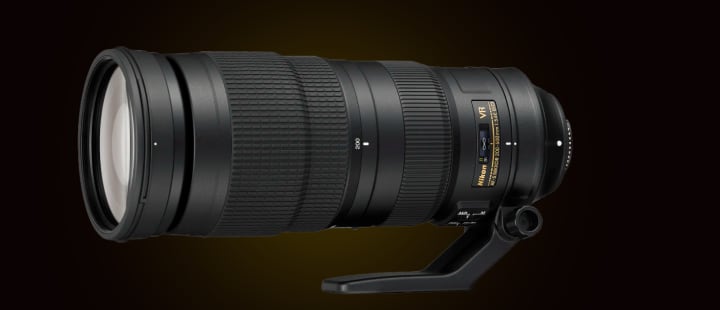
Football and soccer games often take place on large fields. A telephoto lens with a focal length of 300mm to 600mm is ideal. These lenses help you zoom in on players from a distance. Fast autofocus is important to keep up with the quick action. A wide aperture like f/2.8 allows you to shoot in low-light conditions, such as evening matches. Popular options include Canon EF 400mm f/2.8L IS III or Nikon AF-S NIKKOR 200-500mm f/5.6E ED VR. These lenses deliver crisp images and great background separation.
Lenses For Basketball And Indoor Sports
Indoor sports like basketball have challenging lighting conditions. A prime lens with a wide aperture, such as f/1.8 or f/2.8, works well. Wide apertures let in more light, reducing motion blur. A focal length between 70mm and 200mm is great for capturing court action. The Sony FE 70-200mm f/2.8 GM OSS or Sigma 85mm f/1.4 DG HSM Art are excellent choices. These lenses ensure sharp images even in dimly lit arenas.
Lenses For Motorsports
Motorsports demand lenses with fast autofocus to track high-speed vehicles. A telephoto zoom lens with a focal range of 100mm to 400mm is ideal. These lenses provide flexibility to frame shots at different distances. Optical stabilization helps reduce motion blur caused by panning. The Tamron 100-400mm f/4.5-6.3 Di VC USD or Canon RF 100-500mm f/4.5-7.1L IS USM are great options. They deliver sharp, detailed images of fast-moving cars or bikes.
Lenses For Tennis And Fast-paced Games
Tennis and similar sports require lenses that can quickly adjust to movements. A telephoto lens with a focal length of 70mm to 300mm works well. These lenses allow you to capture close-ups of players and the ball. A wide aperture like f/2.8 improves image quality in outdoor or low-light settings. The Nikon Z 70-200mm f/2.8 VR S or Sony 70-300mm f/4.5-5.6 G OSS are solid choices. They offer fast performance and excellent sharpness for every fast-paced moment.
Budget-friendly Lens Options
Finding the right lens for sports doesn't always mean spending a fortune. Many budget-friendly options deliver excellent performance without breaking the bank. These lenses cater to beginners, enthusiasts, and even professionals on tighter budgets. Whether you're shooting soccer matches or track events, there's a lens for your needs.
In this section, explore affordable picks for new photographers, reliable mid-range options, and premium lenses worth every penny.
Affordable Picks For Beginners
Beginner photographers often need lenses that are affordable yet effective. The Canon EF-S 55-250mm f/4-5.6 IS STM is a popular choice. It provides sharp images and smooth focusing for fast-moving subjects. Nikon users can consider the Nikon AF-P DX 70-300mm f/4.5-6.3G ED VR. It offers great zoom range and stabilization for sharp action shots.
Sony users can try the Sony 55-210mm f/4.5-6.3 OSS lens. It’s lightweight, portable, and perfect for capturing distant subjects. These lenses are budget-friendly and easy to use for new sports photographers.
Mid-range Lenses For Enthusiasts
Enthusiast photographers often seek lenses with better build quality and performance. The Sigma 100-400mm f/5-6.3 DG OS HSM Contemporary lens is a solid choice. It offers a versatile zoom range and reliable autofocus for fast-paced action. For Canon users, the Canon EF 70-300mm f/4-5.6 IS II USM lens delivers sharp images with fast focusing.
Sony photographers can opt for the Sony FE 70-300mm f/4.5-5.6 G OSS lens. It’s designed for smooth tracking and sharp results. These mid-range lenses strike a balance between affordability and advanced features.
High-end Lenses Worth The Investment
Some lenses offer top-notch performance for serious sports photographers. The Canon EF 70-200mm f/2.8L IS III USM is a favorite. It delivers exceptional image quality and performs well in low light. Nikon users can choose the Nikon AF-S 70-200mm f/2.8E FL ED VR. It’s fast, durable, and ideal for professional-level sports photography.
Sony professionals often rely on the Sony FE 100-400mm f/4.5-5.6 GM OSS lens. It offers incredible sharpness and precise focusing. These high-end lenses are expensive but deliver unmatched quality and reliability.
Top Brands For Sports Photography
Choosing the right lens is crucial for sports photography. Fast-moving athletes and challenging lighting require precision and speed. Top brands offer specialized lenses designed to capture sharp, dynamic action shots. Whether you're shooting professional games or local events, these lenses can elevate your sports photography.
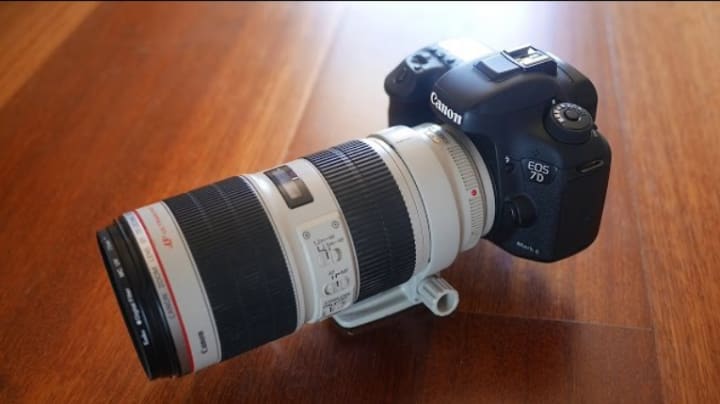
Below are some of the best options from leading brands. Discover their unique features and capabilities, designed specifically for sports enthusiasts.
Canon Lenses For Action Shots
Canon is well-known for its high-performance lenses. For sports photography, the Canon EF 70-200mm f/2.8L IS III USM is a favorite. This lens offers fast autofocus and excellent image stabilization. It delivers sharp images even in low light conditions.
Another great option is the Canon EF 300mm f/2.8L IS II USM. Its long focal length is perfect for capturing distant action. It also offers outstanding sharpness and clarity. Both lenses are durable and weather-sealed, suitable for outdoor sports.
Nikon's Best Sports Lenses
Nikon lenses are engineered for precision and speed. The Nikon AF-S 70-200mm f/2.8E FL ED VR is a standout choice. It features advanced vibration reduction for stable images during fast motion. Its f/2.8 aperture handles challenging lighting with ease.
For longer reach, the Nikon AF-S 300mm f/2.8G ED VR II is ideal. It offers stunning image quality and fast focusing. These lenses are built to withstand tough environments, perfect for sports events.
Sony Lenses For Mirrorless Cameras
Sony lenses are designed for mirrorless cameras, offering lightweight options. The Sony FE 70-200mm f/2.8 GM OSS is highly recommended. It provides sharp focus and fast tracking for moving subjects. Its optical stabilization ensures steady shots during action.
For extended reach, the Sony FE 100-400mm f/4.5-5.6 GM OSS is excellent. It combines versatility with precision, ideal for outdoor sports. Both lenses work seamlessly with Sony's mirrorless bodies, making them popular among photographers.
Third-party Options: Sigma And Tamron
Third-party brands like Sigma and Tamron offer great alternatives. Sigma's 70-200mm f/2.8 DG OS HSM Sports lens is a top pick. It delivers fast autofocus and sharp detail at a competitive price. Its rugged design makes it suitable for challenging conditions.
Tamron's SP 70-200mm f/2.8 Di VC USD G2 is another strong contender. It provides excellent image stabilization and high-speed focusing. Both brands offer quality lenses at affordable prices for sports photographers.
Tips For Choosing The Right Lens
Choosing the right lens for sports photography can feel overwhelming. Each sport has unique demands, and your lens must meet these needs. The right lens can elevate your shots, capturing crisp and dynamic moments. Below are some essential tips to help you make the best choice for your sports photography needs.
Consider Your Shooting Environment
Your shooting location plays a big role in lens selection. For outdoor sports, a telephoto lens with a long focal length is ideal. It allows you to capture distant action with precision. If you shoot indoors, choose a lens with a wide aperture. This helps in low-light conditions where indoor sports typically take place. Also, consider weather sealing if you'll be shooting in challenging conditions like rain or dust.
Match The Lens To Your Camera
Ensure the lens is compatible with your camera body. Check if it is designed for your camera’s mount type. DSLR and mirrorless cameras often use different lens systems. Also, confirm the crop factor of your camera sensor. A crop sensor may alter the effective focal length of your lens. Understanding these details ensures the lens delivers optimal performance.
Test Before You Buy
Testing a lens before purchase is highly recommended. Visit a store or rent the lens to try it out. Check its focus speed, especially for fast-moving subjects. Inspect the sharpness and image quality at different focal lengths. This hands-on experience helps you decide if the lens meets your needs.
Frequently Asked Questions
What Is The Best Lens For Sports?
The best lens for sports is a fast telephoto zoom, like the 70-200mm f/2. 8, offering speed and sharp focus.
What Type Of Contact Lenses Are Best For Sports?
Soft contact lenses are ideal for sports. They provide comfort, stability, and won't easily dislodge during physical activities.
What Color Lenses Are Best For Sports?
Amber, rose, or yellow lenses enhance contrast and depth perception, making them ideal for sports in low-light conditions. Gray lenses reduce glare and preserve true colors, making them perfect for bright sunlight. Brown lenses improve contrast and clarity, making them suitable for outdoor activities. Select lens colors based on the lighting and specific sports requirements.
Is 400mm Enough For Sports?
A 400mm lens is generally sufficient for sports, especially outdoor events. It offers good reach and sharp image quality.
Conclusion
Choosing the right lens is crucial for capturing great sports moments. Fast autofocus and high zoom range can make a big difference. Consider lighting, distance, and your specific sport when making a purchase. A good lens helps freeze action and keep images sharp and clear.
Remember, no single lens fits every need. Take time to research and match your gear to your goals. Investing in quality lenses enhances your photography skills over time. With practice and the right equipment, you’ll capture stunning shots every game.
About the Creator
Path
Path is a team of 300+ expert image editors and designers offering pro Photoshop services for e-commerce, product photographers, and SMBs worldwide. Learn more: https://pathedits.com/
Keep reading
More stories from Path and writers in Photography and other communities.
What Is Lifestyle Product Photography? Meaning, Tips & Examples
Lifestyle product photography is more than just a beautiful photo—it's a powerful storytelling tool that helps buyers imagine a product in their lives. These photos do the heavy lifting in an online world where shoppers can’t touch or try items. They show the product in context, evoke emotion, and drive conversions.
By Path8 months ago in Photography
My Year, in Prattling and Photos
It's been a year since... last year. Ironically, it seems I've found myself a new tradition of getting sick during the New Year holidays. At least, this year (that is, this inter-year period remarkable for its shiny decorations in the streets and houses, and closed supermarkets and pretty much everything), I'm doubtlessly doing better: I've managed to come visit my friends in Germany for Christmas (which I failed to do last year) and—after having some good quality time eating machanka, playing Munchkin and swinging machetes (the last one obviously crept into this checklist only for the sake of the phonological form)—I came back home via proverbial Deutche Bahn and probably less known Schweizerische Bundesbahnen, my body hosting a family of viruses, virions and who knows what other tiny critters somewhere inside my chest.
By Andrei Z.17 days ago in Photography
The People We Meet on Vacation: Moments, Connections, and Lasting Impressions
The People We Meet on Vacation: Moments, Connections, and Lasting Impressions Vacations are more than a break from daily routines. They are a unique social experience where people from different backgrounds cross paths in unexpected ways. The people we meet during a holiday often leave strong impressions, even if the interaction lasts only a few minutes. These encounters can shape memories, influence perspectives, and sometimes turn into lifelong friendships. Understanding who we meet on vacation helps explain why travel feels so meaningful to many people.
By America today 6 days ago in Photography



Comments (1)
I've always struggled with sports photography. You mention fast autofocus, which I definitely need. How do you test it in real-life situations? Also, the wide aperture sounds great for low light. Any tips on getting that perfect bokeh effect?