
What Is Lifestyle Product Photography? Meaning, Tips & Examples
Let’s bring it back to the basics.

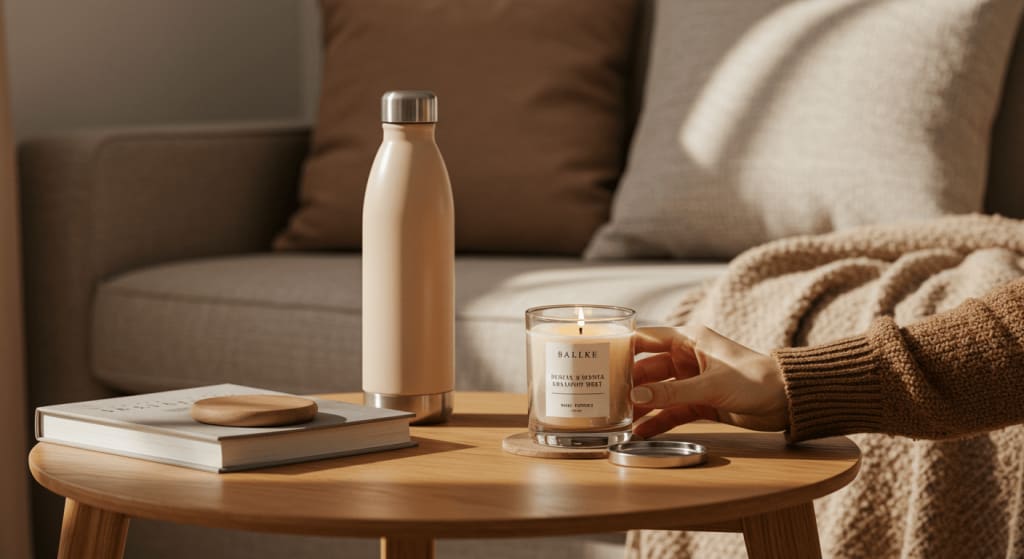
Lifestyle product photography is more than just a beautiful photo—it's a powerful storytelling tool that helps buyers imagine a product in their lives. These photos do the heavy lifting in an online world where shoppers can’t touch or try items. They show the product in context, evoke emotion, and drive conversions.
Below is a clear definition of lifestyle product photography, why it matters, how it differs from other product shots, and examples that can inspire your next shoot.
What is lifestyle product photography?
Lifestyle product photography is the art of capturing products in real-life settings, often with models, props, or locations that reflect the product’s use. Instead of a white background or a flat lay, lifestyle images feel lived-in, emotional, and aspirational.
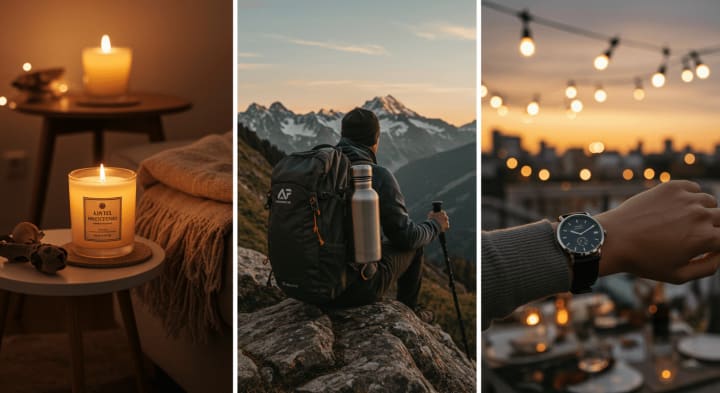
Think of a candle glowing in a cozy living room. A water bottle is clipped to a hiker’s backpack. A watch on someone’s wrist at a rooftop dinner. These images invite the shopper into a story and place your product at the heart of it.
If white background shots show the product, lifestyle photography shows why it matters.
Lifestyle product photography is used across e-commerce sites, Instagram feeds, print campaigns, and digital ads. It’s essential for fashion, beauty, wellness, home goods, and tech products where emotion and aesthetic play a key role in the buying decision.
Why lifestyle photography works
Let’s break down the magic:
- Builds trust: When people see others using your product, it builds social proof, even if those people are models.
- Shows scale and use: Lifestyle shots help customers visualize size, functionality, and context.
- Creates emotional connection: These images evoke feelings—comfort, ambition, luxury, relaxation—influencing buying decisions.
- Strengthens your brand: The style and mood of your lifestyle photos say just as much as the product itself. Are you minimal? Colorful? High-end? Outdoorsy?
How lifestyle product photography differs from standard product shots
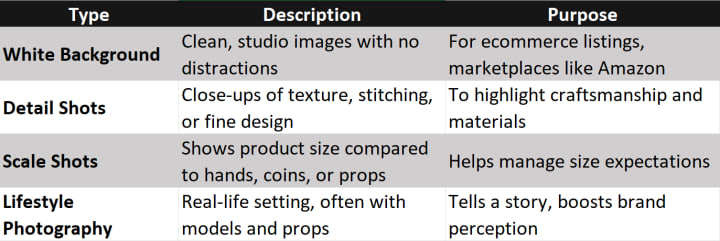
Tips for better lifestyle product photos
Here’s how to plan, shoot, and deliver lifestyle shots that convert:
1. Know your audience
Before snapping a single photo, ask: Who am I talking to? A Gen Z buyer shopping for skincare needs a different visual mood than a new mom looking for baby bottles. Your setting, props, models, and editing style should reflect that.
2. Tell a story
Lifestyle photography isn’t about showing a product—it’s about showing a moment. Set a scene. Use light and space to guide the eye. Make it look like the product belongs there, like it’s missing from the viewer’s life.
3. Balance beauty and clarity
While creativity counts, never sacrifice clarity. Please ensure your product is front and center (or at least visible). Viewers should walk away knowing what the product is, what it looks like, and how they might use it.
4. Keep it consistent
You can use a consistent visual style that fits your brand: color tones, lighting, model types, and even the setting. This helps build brand recognition and trust across your site, socials, and campaigns.
5. Edit with a light touch
Retouching is key—but don’t overdo it. Natural light, real skin textures, and subtle color correction can go a long way. Keep edits clean, accurate, and true to life.
Real-world examples of lifestyle product photography
Need some visual inspiration? These brands are nailing lifestyle product shots in different niches:
1. Parade
This Gen Z underwear brand mixes bright colors, diverse models, and casual home settings. It feels unfiltered and authentic—like a friend took the photo.
2. Fellow Products
Premium coffee gear with a minimalist aesthetic. Their lifestyle shots show products in dreamy kitchens and morning routines, targeting design-conscious buyers who want function and form.
3. Wild Refill
Eco-conscious deodorant company Wild uses lifestyle shots featuring people hiking, working, or traveling, with the product subtly visible. It emphasizes mobility, sustainability, and everyday usability.
How to take lifestyle product photos (step-by-step)
You don’t need a whole studio to get started. Here's a high-level workflow:
Plan the concept
Create a shot list, scout a location, gather props, and confirm your brand’s visual direction.
Choose the right light
Natural light works great. If indoors, aim for a bright, diffused window. For consistency, use softbox lights or bounce lights with reflectors.
Use real people or authentic setups
Just so you know, models can elevate your photos, but make sure they match your customer base. Not using people? Focus on how the product fits into a lifestyle—like a book open on a cozy bed or tech gear set up in a workspace.
Shoot multiple variations
Get wide shots, close-ups, over-the-shoulder angles, and more. Different platforms need different crops and perspectives.
Edit professionally
Use tools like Lightroom, Photoshop, or outsource to expert retouchers who understand your vision.
Equipment checklist
Want to level up your gear? Here’s what you’ll need for crisp lifestyle product photography:
For Beginners
- Smartphone with good camera (iPhone 13+, Pixel, Samsung S series)
- Natural daylight or soft lamps
- Simple props and backgrounds
Intermediate Setup
- DSLR or mirrorless camera (50mm or 35mm lens)
- Tripod + remote shutter
- Reflectors, backdrops, and lighting kit
Pro-Level Setup
- Full-frame camera (Canon R5, Sony A7R series)
- Lighting modifiers (softboxes, strobes)
- Studio space or location rental
- Advanced editing suite (Capture One, Photoshop)
Lifestyle photography FAQs
What is lifestyle product photography?
It’s a type of product photography that shows items in real-life settings to help shoppers imagine them in their lifestyle.
Why is lifestyle product photography important?
Because it builds emotional connection, offers context, and aligns with modern shopping behaviors. Shoppers don’t just want to see what a product looks like—they want to see how it fits into their life.
Do you need a model for lifestyle photos?
Not always. You can shoot contextual scenes without people. But for apparel, beauty, or fitness products, models add relatability and movement.
What makes a great lifestyle photo?
Strong composition, clarity of product, natural light, emotional appeal, and alignment with your brand.
Time to elevate your product visuals
Lifestyle product photography is more than a pretty picture—it’s your silent brand ambassador. The right image can spark emotion, build trust, and move a shopper from “maybe” to “must-have.”
And remember: you don’t have to do it all yourself. Many e-commerce brands outsource retouching or even the entire shoot. Focus on your vision and storytelling—then partner with experts who bring it to life.
Would you be ready to bring your product photos to life?
Consider working with professional editors and lifestyle photographers who specialize in ecommerce imagery that converts.
About the Creator
Path
Path is a team of 300+ expert image editors and designers offering pro Photoshop services for e-commerce, product photographers, and SMBs worldwide. Learn more: https://pathedits.com/
Keep reading
More stories from Path and writers in Photography and other communities.
Photo Editing Mastery: Transform Images Like a Pro
Photo editing is the secret sauce that transforms ordinary pictures into stunning visuals. It's not just about adjusting brightness or contrast; it's about bringing your vision to life. Imagine being able to tweak every detail until it matches the image in your head.
By Path7 months ago in Photography
Why Printed Photographs Still Matter: The Art and Value of Preserving Memories in Print
In a world where most photographs live on phones, laptops, and cloud storage, it is easy to assume that printing pictures is a thing of the past. Yet something meaningful gets lost when memories stay locked inside a device. A photograph printed on high quality paper carries a weight and warmth that no screen can fully replicate. It can be held, shared, framed, and passed down through generations.
By The Iconabout 4 hours ago in Photography
The Gold Tone (Orotone) Technique
She picked it up from a dusty shelf at an estate sale, thinking it was just an old frame. Then the light caught it. The image glowed, not like a print, not like a painting, but like something that seemed to carry its own inner warmth. That was her first encounter with an Orotone, and she bought it without asking the price.
By CurlsAndCommas4 days ago in Photography
A System That Isn’t Working Challenge Winners
Systems promise order. They organize behavior, distribute opportunity, and suggest that if everyone follows the rules, things will work. The entries in A System That Isn’t Working look closely at what happens when that promise begins to slip.
By Vocal Curation Team5 days ago in Resources


Comments (1)
This article on lifestyle product photography is spot-on. I've seen firsthand how it can make a difference in e-commerce. For example, when I was looking for a new backpack online, lifestyle shots showing it on a hiker really helped me picture using it. It's all about making the product relatable. But how do you ensure the models and props don't overshadow the product? And what's the best way to create that emotional connection consistently?