


Worms are often overlooked creatures, but they play a crucial role in ecosystems and can even make interesting pets. Whether they’re working tirelessly underground to improve soil or contributing to a pet owner’s composting bin, worms are far more important than many give them credit for. These invertebrates, which come in various species and sizes, are not only beneficial for gardens and farms but also have some unique characteristics that make them fascinating to study.
What Are Worms in Animals?
Worms are a broad category of invertebrates, meaning they lack a backbone, and they belong to multiple biological classes, including Annelida, Nematoda, and Platyhelminthes. These creatures can be found in a range of environments, from the soil of gardens to the deepest reaches of the oceans. Earthworms, for example, belong to the Annelid class and are critical to soil health, aerating the earth and enriching it with vital nutrients. Worms do not have a skeleton, and their bodies are generally soft and segmented, which helps them navigate through tight spaces. Despite their simple appearance, worms are an essential part of the animal kingdom, contributing to the ecosystem's balance.
What Are 5 Facts About Worms?
Vital Soil Aerators: Worms are known for their ability to aerate the soil, which allows air and water to reach plant roots, promoting healthy plant growth.
Decomposers: They break down decaying organic matter, such as fallen leaves and plant roots, turning them into nutrient-rich soil, a process known as composting.
Reproductive Adaptations: Many worms, including earthworms, are hermaphrodites, meaning they have both male and female reproductive organs. This allows them to reproduce efficiently when they mate.
Sensitive to Light: Worms are sensitive to light, which is why they thrive in dark, moist environments. Direct exposure to light can cause them to become disoriented or stressed.
Efficiency in Digestion: Worms have a specialized digestive system that helps them process organic material quickly and efficiently, producing nutrient-rich castings beneficial to the soil.
How Do You Describe a Worm?
A worm is typically described as a soft, segmented, elongated creature with a cylindrical body shape. Most worms lack a skeleton, making them highly flexible, which allows them to move through narrow spaces. Their bodies are usually moist, as they depend on moisture to breathe through their skin. Worms come in various sizes and can range from microscopic species to much larger ones. They are mostly characterized by their simple but effective anatomy: a smooth, flexible body, a mouth for ingestion, and an anus for waste excretion. Unlike more complex animals, worms do not have eyes, but they possess light-sensitive cells to detect changes in their environment.
Why Are Worms Animals?
Worms are classified as animals due to several key characteristics they share with other members of the animal kingdom. Like all animals, they are multicellular, lack cell walls, and obtain food by consuming organic material rather than making it through photosynthesis. Worms also exhibit movement, have specialized organs for digestion, and are capable of reproducing. Though they may seem simple in design, worms are active participants in the food chain and ecosystem processes. Their lack of a backbone is one of the primary reasons they are categorized as invertebrates, and they perform important functions that sustain life on Earth.
Why Are Worms Special?
Worms are incredibly special because of the many crucial roles they play in the environment. They are natural decomposers, breaking down dead plant and animal matter into nutrients that enrich the soil. Their burrowing behavior also helps aerate the soil, allowing plant roots to receive the oxygen and water they need to grow. Worms' unique digestive system also plays an important role in composting, converting organic waste into nutrient-dense castings that promote healthy plant growth. Additionally, some species of worms are used in sustainable farming and organic gardening practices, further cementing their status as ecological heroes. Their quiet, efficient work in soil ecosystems makes them invaluable.
How Are Worms Born?
Worms are born from eggs that are deposited in protective cocoons. During reproduction, worms, which are hermaphrodites, exchange sperm with one another. Once fertilization occurs, the worm’s body produces a cocoon that contains the fertilized eggs. These eggs are typically laid in the soil, where they hatch into tiny, young worms. Over time, these worms grow and develop, gaining more segments as they mature. While worm reproduction may seem simple, it is crucial to their role in nutrient recycling and soil health. The ability of worms to reproduce quickly ensures that the earth continues to be enriched by their activities.
How Long Can a Worm Live?
The lifespan of a worm can vary depending on its species and environment. Most earthworms live between 4 to 6 years, though some species may live much longer if conditions are favorable. Under optimal conditions, such as in controlled environments like worm bins, worms can live up to 10 years. However, worms face many threats in the wild, including predators, harsh weather conditions, and a lack of food. These factors can shorten their lifespan. Even though they do not live very long, worms play a vital role in soil health, and their existence is essential for maintaining the balance of many ecosystems.
Do Worms Feel Pain?
Worms have a simple nervous system, and while they do not experience pain in the same way that humans do, they do have the ability to respond to harmful stimuli. When exposed to harmful conditions, such as extreme temperatures or physical damage, worms exhibit reflexive responses, such as trying to move away from the source of discomfort. This suggests that while they may not feel pain in a complex emotional sense, they can sense harm and take actions to protect themselves. Their behavior in response to stimuli indicates that they are capable of experiencing discomfort, though likely in a very different way than higher animals with more developed nervous systems.
How Do Worms Eat?
Worms are remarkable eaters due to their efficient digestive system. They consume a variety of organic materials, including decomposing plant matter, leaves, and even small organisms. Worms ingest food through their mouth, which moves it into their crop for temporary storage. From there, food passes to the gizzard, where it is ground up by small particles of grit. This crushed material is then digested in the intestines, where nutrients are absorbed into the worm's body. The remaining waste is excreted as nutrient-rich castings that enhance soil quality. This natural recycling process is critical for maintaining healthy ecosystems and agricultural systems.
Do Worms Ever Sleep?
Worms do not sleep in the traditional sense, as they do not have a sleep cycle or circadian rhythm like humans. However, they do enter periods of rest or inactivity, especially when conditions are not ideal for movement, such as during the daytime or in dry soil. Worms are primarily nocturnal creatures, meaning they are more active at night or when the environment is moist. Their resting periods help conserve energy and protect them from desiccation, as they are highly sensitive to dry conditions. Though they don’t sleep in the same way mammals do, worms take breaks when needed for survival.
What Do Worms Hate the Most?
Worms are highly sensitive creatures, and there are several things they hate, primarily involving environmental factors that can harm them. Worms despise dryness, as they rely on moisture to survive. When the soil becomes too dry, they cannot absorb oxygen through their skin, which can lead to suffocation. Bright light is another major irritant for worms, as they are nocturnal and prefer dark environments to avoid predators. Extreme temperatures, either too hot or too cold, can also be detrimental to their health. This sensitivity to their environment is why worms are most commonly found in moist, sheltered habitats, where they can thrive.
How Do Worms See?
Although worms do not have eyes, they possess light-sensitive cells located on their skin, which help them detect changes in light levels. This allows worms to sense the difference between light and dark and react by burrowing deeper into the soil when exposed to bright light. Since worms lack a visual system, their response to light is purely instinctual, helping them avoid harsh conditions. Additionally, worms rely heavily on other senses, such as touch and vibrations, to navigate their environment. This combination of light sensitivity and tactile perception allows them to respond to changes in their surroundings, ensuring their survival.
Worms as a Pet
Can I keep Worm as a pet? Worms can also make fascinating and easy-to-care-for pets, particularly for those interested in composting or sustainable gardening. As pets, they can help create nutrient-rich soil by composting organic waste, which can be used to enrich garden soil. Many people keep worm bins, also known as vermiculture bins, where worms process food scraps into nutrient-dense castings. This process, known as vermicomposting, not only helps reduce waste but also produces valuable compost. Worms are low-maintenance pets that require little attention, making them ideal for those who want to engage in eco-friendly practices while caring for a living creature. Plus, their quiet, efficient work makes them unique in the world of pet ownership.
Conclusion
Worms are not only crucial to ecosystems but also make fascinating pets for those interested in sustainable living. Whether they’re helping to improve the soil in your garden or providing you with a hands-off, environmentally friendly pet, worms offer countless benefits. Their simple anatomy and behaviors make them remarkable, and understanding their role in nature can deepen our appreciation for these often-underestimated creatures. With their essential contributions to nutrient cycling and composting, worms truly are unsung heroes of the natural world.
About the Creator
Mouni Sana
I just love animals
Keep reading
More stories from Mouni Sana and writers in Petlife and other communities.
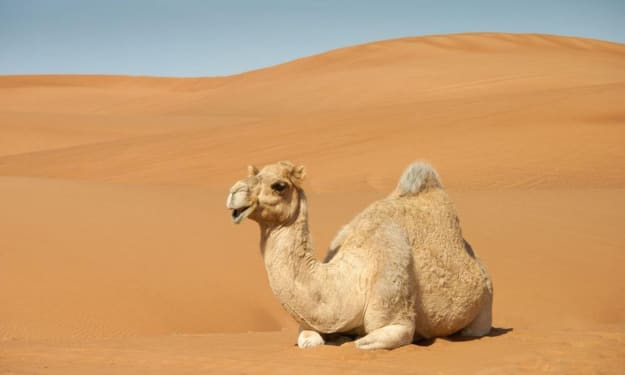
The Camel: A Remarkable Creature of the Desert
Camels are iconic creatures of the desert, symbolizing survival and resilience in some of the harshest environments on Earth. Their remarkable ability to withstand extreme conditions, their unique physical features, and their role in human history make them fascinating subjects of study. Below are some intriguing facts and details about camels, including the idea of keeping a camel as a pet and the sounds they make.
By Mouni Sana10 months ago in Petlife
Keeping your pets safe (and calm) this holiday season
The holiday season may be magical for some humans, but for pets it only means confusion, changed routines, overstimulation, extra noise, guests or pet sitters come and go, and sometimes the festive season means danger for pets.
By Susan Fourtané 18 days ago in Petlife
The Superhero Cat Who Faced the Ultimate Foe: Paper Balls
Once upon a time, in a cozy little house nestled on the outskirts of town, there lived a cat named Captain Meow. No, Captain Meow wasn’t an ordinary cat. He was special. You see, Captain Meow had dreams—big dreams—of becoming a superhero.
By Ahmed aldeabella5 days ago in Petlife


Comments
There are no comments for this story
Be the first to respond and start the conversation.