
The Camel: A Remarkable Creature of the Desert
The Camel

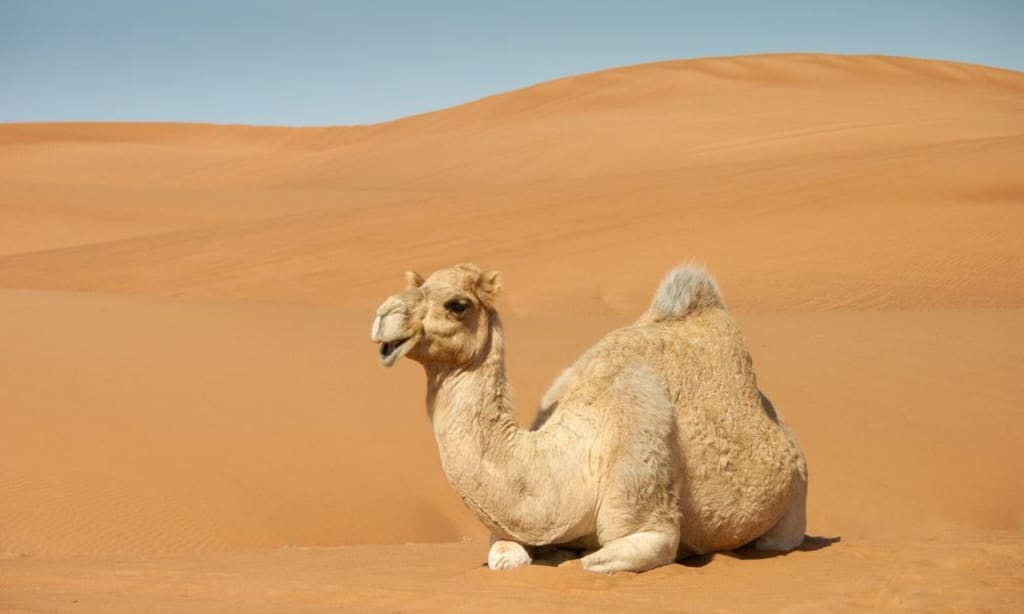
Camels are iconic creatures of the desert, symbolizing survival and resilience in some of the harshest environments on Earth. Their remarkable ability to withstand extreme conditions, their unique physical features, and their role in human history make them fascinating subjects of study. Below are some intriguing facts and details about camels, including the idea of keeping a camel as a pet and the sounds they make.
1. Five Facts About Camels
Adaptability to Heat: Camels are well-suited to desert life, with specialized features like thick fur to protect them from the sun and the ability to tolerate extreme heat.
Long Life Span: Camels can live for about 40 to 50 years, providing humans with years of service in transportation, milk, and even meat.
Efficient Water Use: Camels are well-known for their ability to survive long periods without water, thanks to their efficient metabolism.
Unique Feet: A camel’s feet are designed for walking long distances in the sand. Their wide, flat feet help distribute their weight and prevent them from sinking into the soft desert sand.
Social Animals: Camels are social creatures, often living in herds, and they communicate with each other using various vocalizations and body language.
2. Why is the Camel Not Haram?
In Islamic culture, camels are not considered haram (forbidden). In fact, camels are valued in many Muslim communities for their utility. Camel meat and milk are permissible to consume, and camels have even been historically used in Islamic rituals. The prohibition against consuming certain animals like pigs or animals that have not been slaughtered in a prescribed manner does not apply to camels, making them an important resource in Islamic traditions.
3. Why Does a Camel Have Two Humps?
Not all camels have two humps—this feature is specific to the Bactrian camel, a species native to the cold deserts of Central Asia. The two humps are designed to store fat, which the camel can metabolize when food is scarce. This fat storage allows the camel to survive in extreme environments with little access to food or water. In contrast, the dromedary camel has a single hump.
4. What Does a Camel Eat?
Camels are herbivores and typically eat a wide range of plants, including grasses, shrubs, and thorny plants. In the desert, they will often feed on whatever plant matter they can find, including dry and tough vegetation. Camels are also known to nibble on salt, which helps maintain the balance of minerals in their bodies.
5. Are Camels Intelligent?
Camels are highly intelligent animals. They are capable of forming strong bonds with humans and can be trained to carry heavy loads, participate in races, or even perform specific tasks. Their intelligence also helps them navigate the desert landscape and solve problems related to food, water, and shelter. They can remember the paths and locations of watering holes, which is crucial for survival. This intelligence also makes camels as pets an intriguing possibility, as they can recognize their owners, respond to commands, and even form affectionate relationships with humans.
6. What Do Camels Drink?
Camels are famous for their ability to go without water for long periods. However, when they do drink, they can consume a lot of water at once, sometimes up to 40 gallons in a single drinking session. Their bodies are highly efficient at conserving water, and they can rehydrate quickly when necessary.
7. How Long Can Camels Go Without Water?
Camels can survive without water for several days, sometimes even up to two weeks, depending on the environmental conditions. This remarkable ability is due to their ability to conserve moisture, store fat in their humps (which can be metabolized into water), and their low sweat rate.
8. Why Do Camels Eat Salt?
Camels eat salt to replenish essential minerals in their bodies. The salt helps maintain the proper balance of electrolytes, particularly in the harsh desert environment where dehydration is common. In some desert regions, salt is a critical part of a camel’s diet, as it can help them retain water and maintain energy levels.
9. How Fast Can a Camel Run?
Camels are relatively fast runners, able to reach speeds of up to 40 miles per hour (65 kilometers per hour) in short bursts. However, they typically travel at a slower pace of about 3-5 miles per hour (5-8 kilometers per hour) when used for long-distance travel.
10. Do Camels Bond with Humans?
Yes, camels can form strong bonds with humans, especially those that handle them regularly. They are intelligent animals capable of recognizing individuals and responding to their care and attention. In many cultures, camels have been essential companions for centuries, helping with transportation, food, and even social interactions. This bond makes having a camel as a pet an appealing idea for some, as they can be affectionate, loyal, and even playful.
11. What is Faster Than a Camel?
While camels can run fast, there are a few animals faster than them. For example, the cheetah, the fastest land animal, can reach speeds of up to 60-70 miles per hour. Horses, particularly racehorses, can also run faster than camels.
12. How Long Can a Camel Travel in a Day?
Camels can travel long distances in a day, often covering up to 25-30 miles (40-48 kilometers) on a single journey. With proper rest and water breaks, camels can sustain long trips, making them invaluable for desert travelers and traders throughout history.
13. Camel Feet
Camel feet are specially adapted to walking on soft desert sand. Their large, flat, and tough footpads provide excellent support and prevent them from sinking into the sand. This adaptation is one of the key reasons camels are so effective in desert environments, where other animals would struggle to move efficiently.
14. Five Key Points About Camels
Camels are well-adapted to desert life with unique physical features like their thick fur and large, flat feet.
They can go for days or even weeks without drinking water, thanks to their efficient water conservation methods.
Camels have been domesticated for thousands of years and play an important role in transportation, trade, and culture.
They have specialized digestive systems that allow them to consume tough, thorny plants.
Camels are social animals and can form strong bonds with humans and other camels.
15. Camel Color
The color of a camel's fur varies depending on its species and the environment it lives in. Dromedary camels (one hump) are typically light brown or tan, while Bactrian camels (two humps) can have a range of colors, from dark brown to lighter, sandy hues. Their color helps them blend into the desert environment, providing both camouflage and protection from the sun.
16. Camel Species
There are two main species of camels:
Dromedary Camel: This species has a single hump and is the more common of the two, found primarily in the Middle East, North Africa, and the Indian subcontinent.
Bactrian Camel: This species has two humps and is native to the colder deserts of Central Asia.
17. Camel Height
Camels are tall animals, with an average height of 6-7 feet (1.8-2.1 f) at the shoulder. When standing on all fours, their overall height can reach up to 10 feet (3 meters), depending on the species and the individual camel's size.
Sounds of a Camel
Camels are not just silent travelers across the desert; they have a variety of sounds to communicate with one another. They can grunt, groan, and make low moaning noises when they're distressed or when they’re greeting each other. Camels can also make a "humming" sound, which can signify contentment or a form of communication with their owners. When startled or scared, camels may make a loud, sharp growl or snort.
In conclusion, camels are extraordinary animals that have adapted to some of the most inhospitable environments on Earth. Their ability to go without water for long periods, their physical adaptations for desert life, and their long history with human societies make them one of the most remarkable creatures in the animal kingdom. Whether used for transportation, food, or companionship, camels continue to play a vital role in many cultures around the world. And for those who seek a unique bond, owning a camel pet can be a rewarding, though challenging, experience.
About the Creator
Mouni Sana
I just love animals
Keep reading
More stories from Mouni Sana and writers in Petlife and other communities.
The Fascinating World of Dolphins
Dolphins are among the most intelligent and beloved creatures in the animal kingdom. Their playful nature, complex social behavior, and remarkable abilities have captivated humans for centuries. Let’s dive into the world of dolphins, covering everything from their scientific name and habitat to their diet, classification, and whether or not they can be dangerous.
By Mouni Sana12 months ago in Petlife
Off the Leash: The Essential Gear Guide for Adventurous Dogs
There’s something wildly freeing about unclipping the leash and letting your dog move the way they were built to. If you’re hiking in areas that truly allow off-lead exploration, your gear list shifts. No harness. No leash dragging through dust. Instead, it’s about smart, lightweight essentials that keep your dog safe, hydrated, and easy to manage when adventure gets messy. Long walks off lead are less about control and more about preparation.
By Shabbir Ahmad6 days ago in Petlife



Comments (1)
Camels are truly fascinating animals! I had no idea they lived that long.