
Why Your Dog Listens at Home but Not Outside
And what’s really happening once you step out the front door

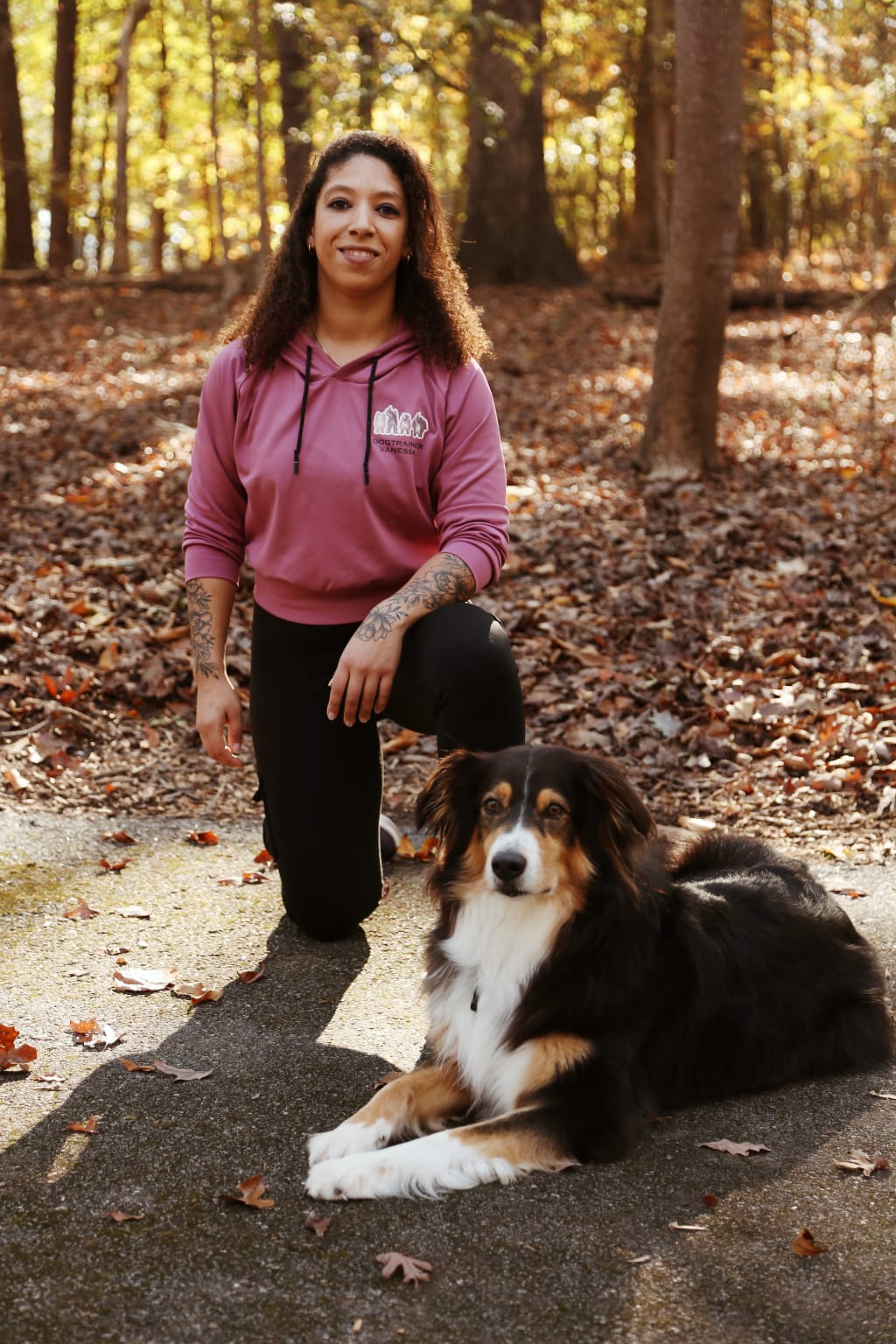
If your dog listens at home but suddenly ignores you outside, you’re not alone. This is one of the most common reasons people contact me for training help. When a dog listens at home, it means the foundation is already there, even if it doesn’t feel like it once distractions show up.
At home, your dog feels calm and focused. Outside, everything seems to fall apart. This isn’t stubbornness. Instead, it’s your dog trying to understand a completely different environment.
A situation I see almost every week
Inside the house, your dog responds quickly. They sit when asked. They stay when needed. Training feels easy.
Then the front door opens.
Suddenly, your dog pulls on the leash. They stop responding. They lock onto smells, sounds, and movement. Because of this, many owners start wondering what went wrong.
In reality, nothing broke. The environment simply changed.
Why dogs listen so well at home
Inside the home, life is predictable. There are fewer smells. There are fewer noises. Movement is limited.
Because of that, your dog knows what to expect. Routines stay consistent. Training happens in familiar places. Sounds rarely surprise them.
When a dog listens at home, the calm environment is doing part of the training for you. Listening feels easy because the setting supports focus.
Why outside feels overwhelming
Outside, everything competes for attention. Smells overlap. Sounds echo. Objects move suddenly.
While this feels normal to us, it’s intense for dogs. Their brain shifts into information-gathering mode. Instead of ignoring you, they’re processing the world.
The challenge isn’t that the dog listens at home and suddenly forgets. The outside world changes everything at once.
Dog rules versus human rules
Dogs are wired to explore before settling. Humans expect the opposite.
Naturally, dogs want to sniff, observe, and move toward interesting things. Meanwhile, we want them to walk calmly, stay close, and listen immediately.
From the dog’s point of view, these rules don’t make sense yet. Without enough exposure, human expectations feel confusing and unrealistic.
Why socialization comes before obedience
Socialization isn’t about greeting every dog or person. Instead, it’s about learning how to exist calmly around the world.
Before dogs can reliably listen outside, they need time to observe without pressure. Otherwise, obedience cues feel overwhelming.
Socialization helps translate how a dog listens at home into real-life situations outdoors.
Why rushing walks slows progress
Dogs need time to explore before they can focus. However, most people are in a hurry.
We want to get from point A to point B. We want a loose leash. We want immediate responses.
Think about walking into a new place and hearing a loud door slam behind you. Even as a human, your attention shifts. For dogs, everyday sounds like car doors closing need repetition before they feel normal.
How exploration leads to better listening
When dogs are allowed to sniff and observe, their nervous system settles. Once calm sets in, learning becomes possible.
This is why calm always comes before control. Without calm, focus is unrealistic.
Many owners find that using a longer training leash helps during this stage. It allows safe exploration while maintaining connection and structure.
Helping a dog listens at home succeed outside takes repetition, patience, and the right setup.
What this means for your training
If your dog listens at home but struggles outside, training isn’t broken. The environment just hasn’t been taught yet.
Start small. Choose quieter areas. Lower expectations early. Reward calm moments.
Once a dog listens at home understands the outside environment, listening becomes consistent and reliable again.
Final thoughts from a trainer
Outside behavior isn’t bad behavior. It’s learning in progress.
When dogs understand the world around them, they can follow our rules within it. Give them time, clarity, and consistency and the results will come.
About the Creator
Pup's & Paws
Dog trainer, part-time treat dispenser, full-time translator of canine nonsense. I teach dogs manners and humans patience. Come for the tips, stay for the chaos.
Keep reading
More stories from Pup's & Paws and writers in Petlife and other communities.
The Summer I Was Chosen by a Northern Mockingbird
During the long, suspended days of the pandemic, a wild mockingbird began visiting my driveway and chose me, again and again. What started as a strange encounter became a brief, meaningful connection that I still carry with me.
By Erica Roberts 22 days ago in Petlife
How to Train Your Dog in Just One Week
Dog training can seem like a long, difficult process, but with consistency, patience, and the right technique, you can teach your dog basic obedience in just one week. Of course, some habits take longer to solidify — but a focused seven-day plan can get your dog on the path to being well-behaved and responsive.
By Paw Planet 6 days ago in Petlife



Comments
There are no comments for this story
Be the first to respond and start the conversation.