
Potty Training Made Simple
Potty training feels way harder than it should. However, that doesn’t mean you’re doing something wrong. Instead, it usually means the system itself is confusing your dog.

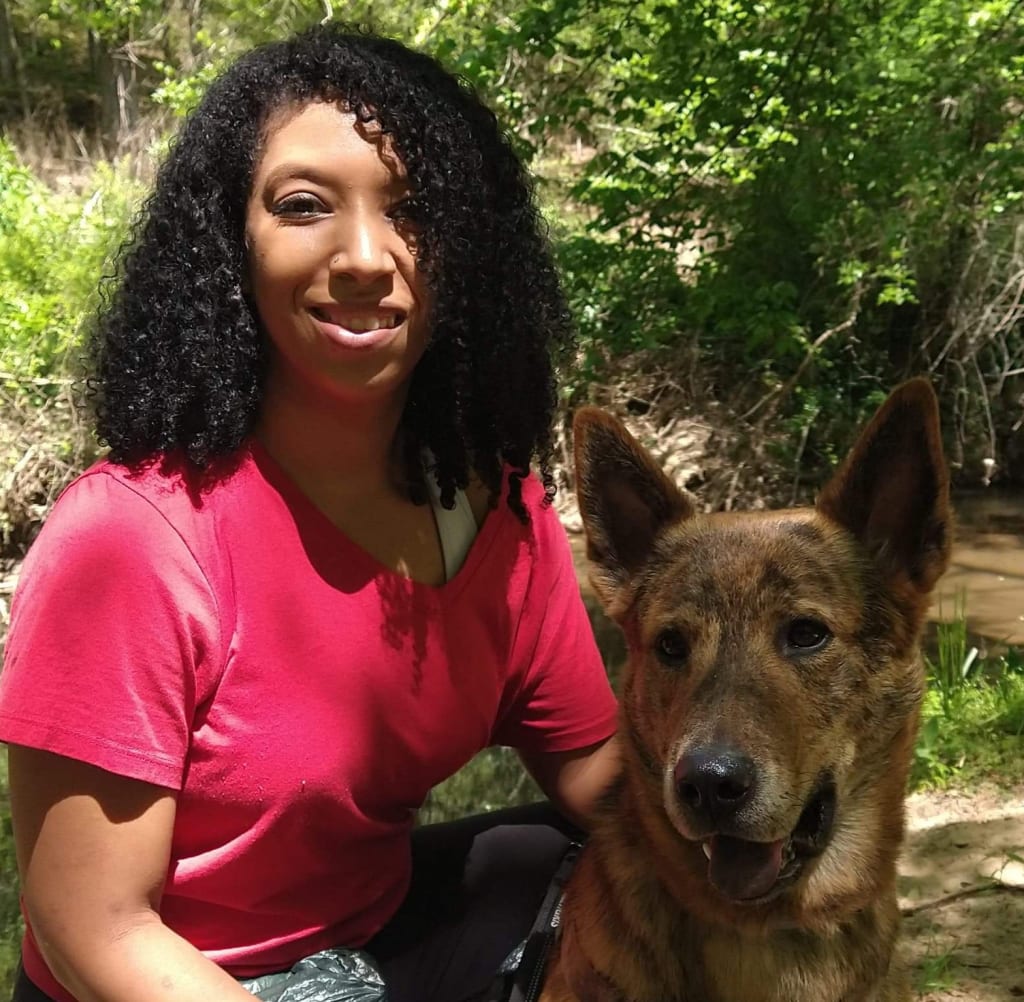
Every week, I hear the same thing from clients.
“My dog knows better.”
“They look guilty afterward.”
“They were doing fine… and then everything fell apart.”
Meanwhile, the dog is just trying to follow the rules they were given. Unfortunately, those rules often change without anyone realizing it.
Why My Perspective Is a Little Different
I was born and raised in Germany, and I also started my dog training journey there. Because of that, I noticed something almost immediately after moving to the U.S.
Potty training struggles are far more common here.
Of course, dogs in Germany still have accidents. However, long-term potty training issues weren’t nearly as prominent. Over time, the reason became very clear.
The systems were different.
How Potty Training Expectations Changed
In Germany, the expectation is simple and consistent.
Dogs go outside. Every time.
In contrast, many dogs in the U.S. are taught something else entirely—usually with good intentions.
- Pee pads.
- Diapers.
- Indoor options “just in case.”
As a result, dogs aren’t confused because they’re stubborn. Instead, they’re confused because the rules don’t line up.
The Problem With Pee Pads (Let’s Talk About It)
Pee pads were originally designed for:
- Sick dogs
- Incontinent dogs
- Dogs recovering at the vet who cannot go outside
They were never meant to teach lifelong potty habits.
When pee pads are used for training, dogs learn something very specific.
Going inside is allowed.
Soft surfaces count.
Location doesn’t really matter.
Because of that, rugs, bath mats, and carpet suddenly become fair game. From the dog’s point of view, they didn’t make a mistake. They followed the system perfectly.
Why Diapers Create Even More Confusion
Diapers send one very clear message.
“You can go anywhere. Someone else will handle it.”
As a result, dogs never learn how to hold it or communicate their needs. Over time, potty habits don’t improve—they disappear.
This doesn’t happen because the dog is difficult. Instead, it happens because there is no clear feedback loop.
What Actually Works (The Boring but Effective Truth)
Potty training is not complicated. However, it does require commitment.
The most reliable system is also the simplest one.
If your dog needs to go potty, they go outside.
Every time. No exceptions.
To make this work, I use three tools with clients.
Bell Training Creates Clear Communication
First, teach your dog to ring a bell to go outside.
Bell rings → door opens → potty happens → praise.
Because dogs thrive on cause and effect, this removes guessing entirely. Instead of hoping you notice the signs, your dog can clearly ask.
As a result, frustration drops on both sides.
Supervision or Crate — No Gray Area
Next comes management.
If you are actively watching your dog, great.
If you are distracted or busy, your dog needs less freedom.
That means a crate or a small controlled space.
Although this feels strict at first, it actually speeds up training. Fewer accidents mean fewer setbacks. Over time, freedom is earned naturally.
Outside More Than Feels Necessary (At First)
Early potty training requires frequent trips outside.
That includes:
- After waking up
- After eating
- After playtime
- Before crating
- Before bed
Yes, it’s inconvenient. However, it’s temporary. When consistency is strong early, reliability comes faster later.
Why Dogs “Look Guilty” After Accidents
This part is important.
Dogs do not feel guilt the way humans do. Instead, that “guilty look” is a stress response.
- They’re reading your body language.
- They notice tension.
- They react with appeasement.
In fact, I once worked with a dog who looked guilty every time their owner grabbed paper towels—even when there was no accident. That alone tells you it’s not guilt. It’s anticipation.
A Real Training Win
One client came to me after months of inconsistent potty training. Pee pads, diapers, too much freedom, and constant accidents had created total confusion.
So we reset everything.
- No pads.
- No diapers.
- Bell training.
- Crate when unsupervised.
Within two weeks, accidents dropped dramatically. Shortly after that, they stopped completely.
Not because the dog suddenly understood English—but because the system finally made sense.
Try This Today
- Remove indoor potty options
- Take your dog outside more often than feels necessary
- Supervise or crate consistently
- Start bell training
- Celebrate outside potty like it’s a major win
Final Thoughts From a Trainer
Potty training problems don’t mean you failed. Instead, they mean the rules weren’t clear yet.
Dogs don’t need multiple options.
They need consistency.
Once the system is simple, predictable, and fair, most dogs succeed quickly. And when it finally clicks, life gets easier for everyone.
Not magic.
Just good training.
About the Creator
Pup's & Paws
Dog trainer, part-time treat dispenser, full-time translator of canine nonsense. I teach dogs manners and humans patience. Come for the tips, stay for the chaos.
Keep reading
More stories from Pup's & Paws and writers in Petlife and other communities.
Holiday Guests + Your Dog: A Stress-Free Manners Guide
If your dog suddenly forgets all their training the second holiday guests walk in, you’re not failing. You’re experiencing real-life dog behavior during the most exciting season of the year. And honestly? You’re not alone.
By Pup's & Paws22 days ago in Petlife
A Dart at Dusk
Seconds ago, the sullen sun set on the two of us… my exuberant furry companion and me. A fresh breeze embraces us, delivering welcome relief from the day’s oppressive heat. His typical stumbling and staggering along — apace with a sloth — has turned into trip-trapping, high-stepping, almost skipping along.
By Angie the Archivist 📚🪶7 days ago in Petlife
The Emotional Reason Puppies Need You So Much
Understanding the Deep Bond, Trust, and Unspoken Dependence That Makes You Their Whole World --- Have you ever wondered why your puppy seems to follow you everywhere? Why they nuzzle your hand, whine when you leave, or curl up beside you no matter what you’re doing?
By Ahmed aldeabellaa day ago in Petlife


Comments
There are no comments for this story
Be the first to respond and start the conversation.