
Why Some Cats Go Crazy for Catnip (and Others Don’t): The Science Behind Feline Reactions
Understanding the Genetics, Brain Chemistry, and Behavior Behind Catnip Sensitivity

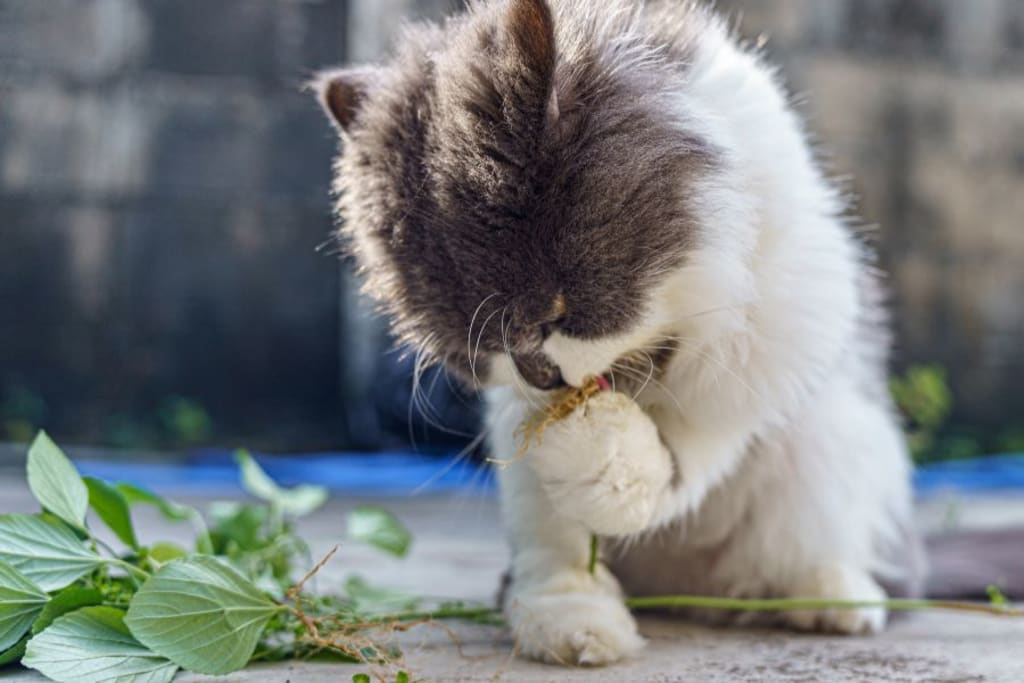
If you’ve ever sprinkled a little catnip on a toy and watched your cat roll, rub, zoom, and purr like they’ve just discovered a new life purpose — you’ve seen catnip magic in action. But just as common is the puzzled cat parent who asks, “Why doesn’t my cat care at all?”
Some cats go wild for catnip, while others completely ignore it. This difference isn’t random — it’s rooted in science, genetics, age, and feline biology.
Let’s explore why catnip triggers such dramatic reactions in some cats, why others are immune to its effects, and what it all means for your feline’s enrichment and well-being.
What Is Catnip, Really?
Catnip (Nepeta cataria) is a member of the mint family. It contains a natural chemical compound called nepetalactone, which is found in the plant’s leaves, stems, and seeds. This compound is responsible for catnip’s unique effect on cats.
When a cat smells catnip, nepetalactone binds to receptors in the nasal tissue, stimulating sensory neurons that send signals directly to the brain. These signals activate areas linked to emotion, behavior, and pleasure — similar to how pheromones affect animal behavior.
This is why catnip doesn’t work through digestion alone. Smelling catnip usually causes hyperactive or playful behavior, while eating it tends to produce a more mellow, relaxed response.
Why Some Cats React So Strongly
For cats that are sensitive to nepetalactone, the reaction can look dramatic:
- Rolling and rubbing
- Face and body pressing
- Vocalizing
- Zoomies and playful aggression
- Purring and drooling
- Euphoric behavior
These reactions are completely normal and harmless. Neurologically, catnip stimulates pleasure centers in the brain and mimics natural feline pheromones, creating a temporary sense of euphoria and excitement.
The response typically lasts 5 to 15 minutes, after which cats enter a temporary refractory period where they no longer respond to catnip — even if more is offered. This “reset” period can last anywhere from 30 minutes to a few hours.
Genetics: The Biggest Factor
The primary reason some cats go crazy for catnip while others don’t is genetics.
Sensitivity to nepetalactone is an inherited trait. Research suggests that about 60–70% of cats have the genetic ability to respond to catnip, while the rest simply don’t have the receptors needed to react to it.
If a cat doesn’t have this genetic sensitivity:
- Catnip will smell neutral
- It won’t trigger neurological stimulation
- There will be no behavioral response
The cat won’t feel any effect at all
This means your cat isn’t being picky, broken, or stubborn — their brain just doesn’t recognize catnip as a stimulant.
Age Matters Too
Kittens under 8–12 weeks old usually don’t respond to catnip, even if they carry the gene for sensitivity. Their neurological systems simply aren’t developed enough to process the chemical reaction.
As cats mature, their sensitivity may emerge naturally. Many cats don’t show interest in catnip until 3–6 months of age, and some not until closer to adulthood.
Senior cats may also show reduced reactions due to changes in sensory perception, though many remain sensitive for life.
Individual Personality Plays a Role
Even among cats that are genetically sensitive to catnip, reactions vary based on personality and temperament.
- High-energy cats may become more hyper and playful
- Shy cats may become more relaxed and social
- Anxious cats may show calming behaviors
- Confident cats may show exaggerated dominance or play responses
Catnip doesn’t create one universal reaction — it amplifies existing personality traits.
Is Catnip Safe?
Yes — catnip is completely safe and non-addictive for cats. It does not cause dependency, toxicity, or long-term neurological changes. The effects are temporary and self-limiting.
However, moderation matters. Overexposure can reduce sensitivity and novelty, making catnip less effective as enrichment over time.
- Vet-approved guidelines include:
- Use in small amounts
- Limit frequency (a few times per week is ideal)
- Store it properly to preserve potency
- Avoid daily overuse
- Observe your cat’s behavior and tolerance
Why Some Cats Prefer Alternatives
If your cat doesn’t respond to catnip, they’re not missing out on enrichment — they just need different sensory triggers. Many non-responsive cats react to other natural stimulants such as:
- Silvervine (Actinidia polygama)
- Valerian root
- Tatarian honeysuckle
These plants activate different sensory pathways and can produce similar effects in cats that ignore catnip.
The Real Benefit of Catnip
Beyond entertainment, catnip serves real wellness and enrichment purposes:
- Encourages physical activity
- Reduces stress and anxiety
- Supports mental stimulation
- Promotes natural play behaviors
- Enhances environmental enrichment
- Helps redirect destructive behavior
Improves quality of life for indoor cats
When used intentionally, catnip becomes more than a toy enhancer — it becomes a behavioral enrichment tool.
Final Thoughts
Cats go crazy for catnip because of a fascinating mix of biology, chemistry, genetics, and individual personality. Some cats experience intense euphoria due to nepetalactone’s effect on their brain, while others simply lack the genetic receptors to respond at all.
Neither reaction is better — they’re just different expressions of feline biology.
Whether your cat is a catnip enthusiast or completely indifferent, the real goal remains the same: providing enrichment, stimulation, and joy that supports their mental and physical health. Catnip is just one tool in a much larger enrichment toolbox — and for the cats who love it, it’s pure magic.
About the Creator
Independence Veterinary Clinic
Independence Veterinary Clinic is a trusted full-service veterinary clinic in Charlotte, NC, offering expert care for dogs, cats, and exotics such as rabbits, guinea pigs, ferrets, and pocket pets.
Keep reading
More stories from Independence Veterinary Clinic and writers in Petlife and other communities.
Living With an American English Coonhound: Personality Traits, Training Tips, and Family Compatibility
The American English Coonhound is a breed full of energy, intelligence, and charm. Originally bred for hunting raccoons and other game, these dogs are known for their endurance, strong scenting abilities, and unmistakable baying voice.
By Independence Veterinary Clinic22 days ago in Petlife
The Summer I Was Chosen by a Northern Mockingbird
During the long, suspended days of the pandemic, a wild mockingbird began visiting my driveway and chose me, again and again. What started as a strange encounter became a brief, meaningful connection that I still carry with me.
By Erica Roberts 7 days ago in Petlife
If your dog barks at night, don’t ignore it.
Night falls, and with it, silence—at least for most of the house. But for many dog owners, the silence is short-lived. Somewhere between the ticking of the clock and the rustling of the leaves outside, the barking begins. Loud, incessant, and often unexpected.
By Paw Planet 2 days ago in Petlife
Autonomy Is The Real Privilege
Good morning, freedom-seekers! Today we’re gonna be looking at autonomy. A strange word, I know; one many would probably look at blankly and run away from on sight. We’re gonna figure out what it actually means, consider how it’s achieved, and decipher just how deeply most of us are tangled up in dependence without realising it.
By That ‘Freedom’ Guy7 days ago in Humans



Comments
There are no comments for this story
Be the first to respond and start the conversation.