
Why Does My Dog Eat Grass?
A closer look at this common canine behavior

Have you ever caught your furry friend munching on some grass during a walk or while playing in the yard? It's a pretty common sight that leaves many dog owners wondering: "Why does my dog eat grass?" Don't worry, this behavior is not as strange as you may think. In fact, there are a variety of reasons behind why dogs indulge in eating grass, and most of them are entirely harmless. This article aims to explain the potential causes of grass-eating behavior in dogs, covering all aspects to help you understand your dog's needs better.
Is It Normal for Dogs to Eat Grass?
Yes, it is entirely normal for dogs to eat grass. Many veterinarians and experts agree that grass-eating is a behavior that has been observed in dogs for centuries. It is part of a dog's natural instincts and, in most cases, nothing to worry about. In fact, a large percentage of dogs, regardless of breed, size, or age, occasionally nibble on grass. But why exactly do they do it?
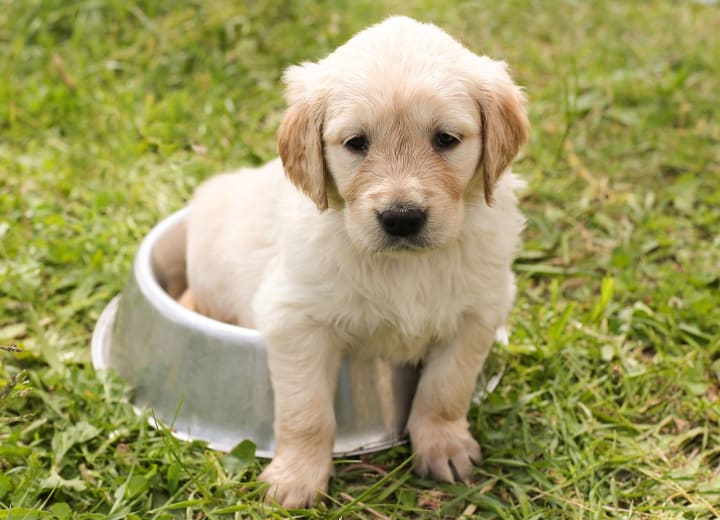
Reasons Why Dogs Eat Grass
There is no one definitive reason why dogs eat grass, but several possible explanations can shed light on this behavior. Let's explore the key reasons:
1. Seeking Nutrients or Fiber
One of the most common reasons for a dog eating grass is to obtain nutrients or fiber that may be missing from their regular diet. Grass contains dietary fiber that can aid in digestion, helping the dog keep a healthy digestive system. Dogs may instinctively turn to grass if they feel their diet is lacking in certain nutrients, especially if they have an upset stomach or difficulty with bowel movements.
2. Upset Stomach Relief
Another common explanation is that dogs eat grass to help relieve an upset stomach. Some dogs seem to eat grass to induce vomiting, especially if they are feeling nauseous. By doing so, they are able to expel whatever is making them feel unwell, providing a sense of relief. However, it should be noted that not all dogs vomit after eating grass—so this explanation may only apply to some dogs.
3. Natural Instinct
Dogs are descended from wild ancestors that were scavengers, and they would often eat whatever was available, including vegetation. Eating grass could simply be a natural instinct passed down from their ancestors. In the wild, wolves and other canines often consume the stomach contents of their prey, which could include grasses and other vegetation, so it may be an instinctive habit that has persisted over time.
4. Boredom or Attention-Seeking Behavior
Sometimes, dogs eat grass simply because they are bored. If your dog is not receiving enough mental stimulation or exercise, they may turn to nibbling on grass to pass the time or keep themselves entertained. Alternatively, if your dog notices that eating grass gets your attention, they may do it as a way to gain interaction from you—even if it's just to get you to tell them to stop!
5. They Just Like the Taste
As simple as it may sound, some dogs just like the taste or texture of grass. The feeling of chewing on fresh grass may be enjoyable for some dogs, and they do it simply because it is pleasurable to them. Each dog is unique, and taste preferences can vary widely from one dog to another.
Is Eating Grass Harmful to My Dog?
In most cases, eating grass is not harmful to dogs. It is generally considered a normal behavior, and most dogs do not experience any adverse effects from munching on a bit of grass. However, there are a few things you should watch out for:
- Ensure that the grass your dog is eating has not been treated with pesticides, herbicides, or fertilizers, as these chemicals can be toxic to dogs.
- Monitor your dog to make sure they are not consuming large amounts of grass, which could potentially lead to digestive blockages.
- If your dog frequently vomits after eating grass or shows signs of distress, consult your veterinarian, as this could indicate an underlying health issue.
How to Stop My Dog From Eating Grass
If you are concerned about your dog eating grass, there are some steps you can take to minimize this behavior:
Provide a Balanced Diet: Make sure your dog's diet is well-balanced and provides all the necessary nutrients they need to stay healthy. A high-quality dog food with sufficient fiber can help curb their desire to munch on grass.
Increase Exercise and Mental Stimulation: Keeping your dog physically active and mentally stimulated can help reduce boredom and prevent behaviors like grass eating. Engage in regular walks, playtime, and training exercises to keep your dog entertained.
Offer Safe Alternatives: Provide your dog with safe chew toys or treats to fulfill their chewing instincts. This can help divert their attention away from grass and onto something more appropriate.
When Should You Worry?
While eating grass is generally harmless, there are some situations where you should be more cautious. If your dog exhibits any of the following signs, it's best to consult your veterinarian:
- Frequent vomiting after eating grass.
- Excessive grass consumption with signs of distress.
- Loss of appetite, lethargy, or changes in stool.
These symptoms may indicate an underlying health problem that requires professional attention. It's always better to be cautious and get your dog's health checked if you are unsure.
Conclusion:
Ultimately, grass-eating is a behavior that is seen in many dogs and is usually nothing to be concerned about. Whether it is due to dietary needs, boredom, natural instincts, or simply because they like the taste, most dogs are perfectly fine after eating grass. However, it is essential to keep an eye on the type of grass they are eating and ensure they are safe from harmful chemicals. If you have concerns, always consult with your veterinarian to ensure your furry friend stays healthy and happy.
For more information on pet behaviors and health, feel free to visit Pet Furiosa to read more about pets and gain helpful insights into your pet's needs.
About the Creator
Emily Carter
I'm Emily Carter, a pet enthusiast and writer with over 10 years of experience in pet care. I share practical advice on pet nutrition, training, and welfare, based on my personal and professional journey with domestic animals.
Keep reading
More stories from writers in Petlife and other communities.
The Summer I Was Chosen by a Northern Mockingbird
During the long, suspended days of the pandemic, a wild mockingbird began visiting my driveway and chose me, again and again. What started as a strange encounter became a brief, meaningful connection that I still carry with me.
By Erica Roberts 20 days ago in Petlife
Book Review: Atmosphere by Taylor Jenkins Reid
I flipped the book over in my hands in the centre of the small airport book shop. Although I had heard promising reviews of Atmosphere by Taylor Jenkins Reid, I hesitated. The synopsis didn’t compel me - I wasn’t much of a space girly. In high school it made me cringe when my peers would talk about the stars.
By sleepy drafts6 days ago in BookClub



Comments
There are no comments for this story
Be the first to respond and start the conversation.