
Why Do Parrots Sneeze? A Complete Guide
Do Parrots Sneeze? Yes or No

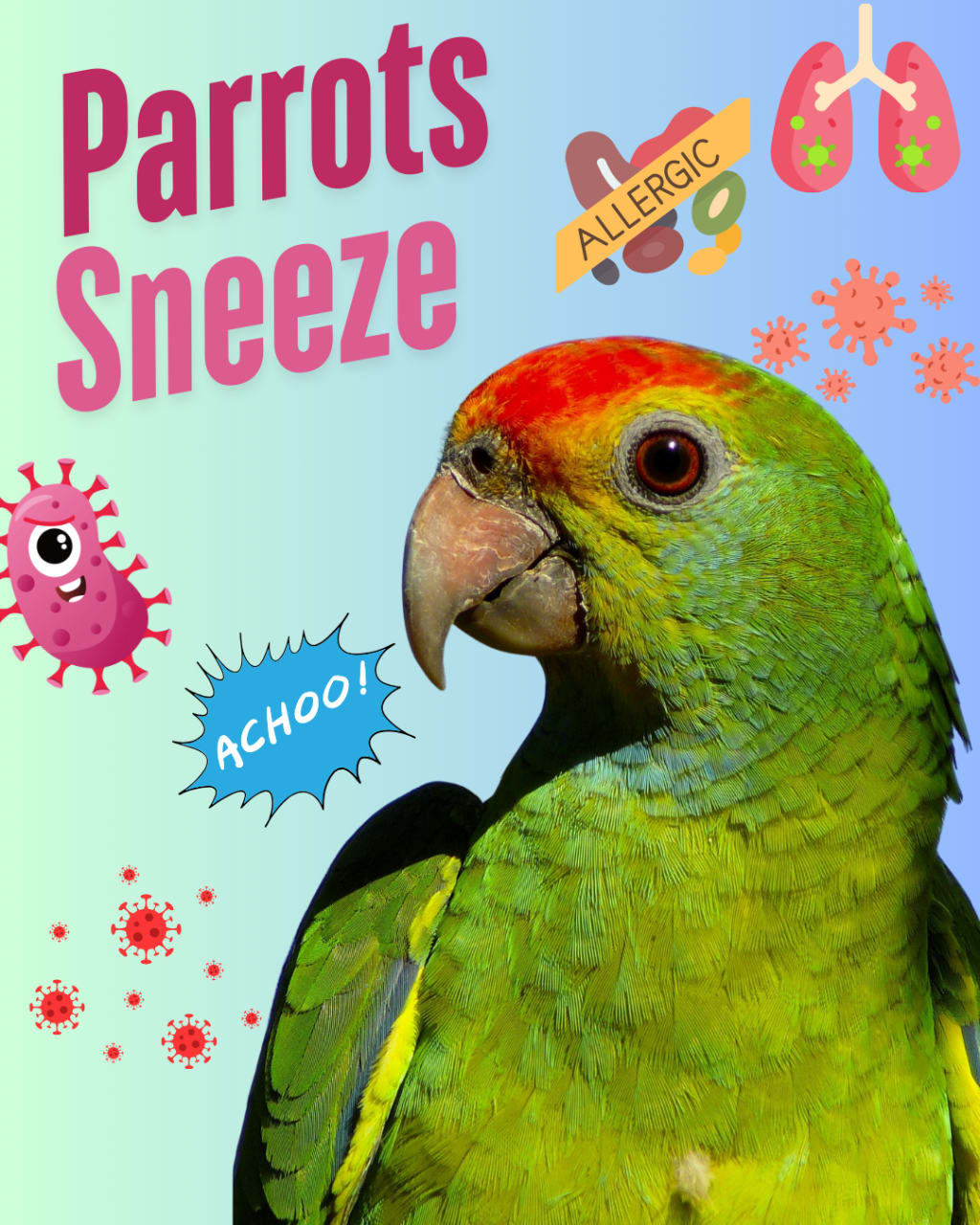
Parrots are fascinating and intelligent birds that exhibit various behaviors, some of which may seem unusual to their owners. One such behavior is sneezing. Have you ever noticed your parrot sneezing and wondered if it’s normal or a sign of illness? This article will explore why do parrots sneeze?.
Do Parrots Sneeze?
Yes, parrots do sneeze! Just like humans and other animals, parrots sneeze to clear their nasal passages. Sneezing is a natural reflex that helps expel dust, dander, or other particles that may be irritating their respiratory system. Occasional sneezing is perfectly normal and nothing to worry about.
Common Reasons Why Parrots Sneeze
1. Dust and Dander
Parrots produce feather dust, which can accumulate in their environment and irritate their nasal passages. If your parrot sneezes occasionally, it may simply be clearing its nose from this fine dust.
2. Dry Air
If the air in your home is too dry, it can cause slight irritation in your parrot’s respiratory system, leading to sneezing. This is common in colder months when indoor heating reduces humidity levels.
3. Allergies
Parrots can be sensitive to airborne particles such as pollen, smoke, or scented candles. Exposure to these irritants may trigger sneezing.
4. Strong Odors and Chemicals
Household cleaners, perfumes, air fresheners, and even cooking fumes can cause sneezing in parrots. Their respiratory systems are delicate, so it’s best to keep them away from strong scents.
5. Cleaning Their Nostrils
Parrots may sneeze as a way to clean their nostrils. They sometimes release small droplets of clear fluid when sneezing, which is normal unless it becomes excessive.
When to Be Concerned About Sneezing
While occasional sneezing is natural, excessive or frequent sneezing can indicate an underlying health issue. Here are some warning signs that require attention:
1. Discharge from the Nostrils
If your parrot’s sneezing is accompanied by thick, yellow, green, or bloody nasal discharge, this may be a sign of infection.
2. Labored Breathing
Wheezing, open-mouth breathing, or difficulty in breathing are symptoms of respiratory distress that need immediate veterinary attention.
3. Changes in Behavior
If your parrot is lethargic, fluffed up, or not eating well in addition to sneezing, it could indicate illness.
4. Frequent Sneezing Without Obvious Cause
If your parrot sneezes excessively even when there is no dust, dry air, or other environmental irritants, a vet check-up is advisable.
How to Help a Sneezing Parrot
1. Maintain Good Air Quality
Use an air purifier to reduce dust and allergens in your home.
Avoid smoking or using strong-scented products around your parrot.
Keep their cage clean and free from excessive dust and debris.
2. Increase Humidity
Use a humidifier, especially during dry seasons.
Provide your parrot with regular mist baths to keep its nasal passages moist.
3. Keep Their Environment Clean
Regularly clean your parrot’s cage, toys, and perches to minimize dust accumulation.
Change their water frequently to prevent bacteria growth.
4. Monitor Their Diet
A well-balanced diet rich in vitamins and minerals supports a strong immune system, reducing the risk of respiratory infections.
Conclusion
Sneezing in parrots is usually a normal reflex to clear their nasal passages. However, frequent sneezing accompanied by other symptoms like discharge, lethargy, or breathing difficulties should not be ignored. Parrots also feel cold and it can be cured easily. By maintaining a clean, well-humidified environment and monitoring your bird’s health, you can help ensure your parrot stays happy and healthy. If you ever notice concerning symptoms, consult an avian veterinarian promptly.
A healthy parrot is a happy parrot! Keep an eye on their sneezing habits, and they will continue to thrive in your loving care.
About the Creator
Amelia Kosh
At Parrot Expert, we are more passionate about all stuffs parrots. Whether you’re a seasoned parrots owner, considering adopting a colorful friend, or just curious about these adorable creatures, you’ve come to the right place.
Keep reading
More stories from Amelia Kosh and writers in Petlife and other communities.
Do Macaws Really Talk Like Humans?
One of the biggest reasons people love raising parrots is their ability to talk and interact with humans. There's something special about chatting with your bird and teaching it new phrases. But many wonder: Are Macaws The Best Talking Parrots? And more specifically, can macaws talk?
By Amelia Kosh10 months ago in Petlife
Understanding the Causes, Symptoms, and Treatment Options for Colitis in Dogs
Colitis in dogs is a common gastrointestinal condition that affects the large intestine (colon). When the colon becomes inflamed, it can lead to uncomfortable and sometimes alarming symptoms for your pet.
By Dominion Valley Animal Hospital4 days ago in Petlife
Dogs are reverse domesticated due to the conflict in Ukraine.
After months of continuous fighting, the surviving canines near Ukraine's front lines have clearly changed to resemble wolves in both appearance and behaviour. Their changed bodies demonstrate how characteristics formed by centuries of human friendship can be quickly erased by battle.
By Francis Dami7 days ago in Petlife


Comments
There are no comments for this story
Be the first to respond and start the conversation.