
Which Vegetables Are Safe for Dogs?
Vegetables for Dogs


Dogs are omnivores, and while meat should form the primary part of their diet, many vegetables can be a healthy and nutritious addition to their meals. However, not all vegetables are safe for our canine companions. This article will explore which vegetables are safe for dogs, how to incorporate them into their diet, and what to do if your dog consumes something toxic.
Ways To Feed Your Dog Vegetables?
Incorporating vegetables into your dog's diet can be done in several ways:
Raw: Some vegetables can be served raw as a crunchy treat. Always chop them into small, manageable pieces to prevent choking.
Steamed or Boiled: Lightly cooking vegetables can make them easier to digest and may enhance their nutritional value for dogs.
Pureed: Blending vegetables into a smooth puree can be an excellent way to mix them into your dog's regular food.
Frozen: Some dogs enjoy frozen vegetables as a cool, refreshing treat, especially on hot days.
Remember to introduce new vegetables gradually and in small amounts to avoid digestive upset.
Effective Tips for Grooming an Aggressive Dog: A Step-by-Step Guide
What Vegetables Are Used in Dog Food?
Many commercial dog foods incorporate vegetables for their nutritional benefits. Some common vegetables found in dog food include:
Sweet Potatoes: Rich in fiber and vitamins A, B6, and C.
Carrots: High in beta-carotene and fiber.
Green Beans: Low in calories and high in fiber.
Peas: Good source of vitamins K and B1, manganese, and dietary fiber.
Pumpkin: Often used for its fiber content and to aid digestion.
These vegetables are generally safe and beneficial for dogs when properly prepared and portioned.
How Many Veggies Can a Dog Eat?
While vegetables can be a healthy addition to a dog's diet, they should not make up more than 10-20% of their daily food intake. The exact amount depends on factors such as:
- The dog's size and weight
- Activity level
- Overall health
- Specific dietary needs
Always consult with your veterinarian before making significant changes to your dog's diet. They can provide personalized advice on the appropriate amount and types of vegetables for your specific dog.
Home Remedies to Relieve Dog Itching After Grooming: Simple and Effective Solutions
What if My Dog Eats Something Toxic?
Despite our best efforts, dogs sometimes eat things they shouldn't. Some vegetables and plants are toxic to dogs, including:
Onions and garlic
Mushrooms
Avocado
Rhubarb leaves
Tomato plants (the ripe fruit is generally safe in moderation)
If you suspect your dog has eaten a toxic vegetable or plant:
Remain calm but act quickly.
Try to identify what and how much your dog ate.
Contact your veterinarian or a pet poison helpline immediately.
Follow their instructions carefully. They may advise you to induce vomiting or bring your dog in for treatment.
Never induce vomiting without professional advice, as it can sometimes make the situation worse.
Prevention is key. Keep toxic plants and vegetables out of reach, and educate all family members about what foods are unsafe for dogs.
In conclusion, many vegetables can be a safe and healthy addition to your dog's diet when fed appropriately. Always introduce new foods gradually, and consult with your veterinarian for personalized dietary advice. By being informed and cautious, you can safely incorporate nutritious vegetables into your dog's meals, contributing to their overall health and well-being.
For more Dog Care Blog Visit Here: https://www.petzooie.com/
About the Creator
hiphoprdx
latest news website.
The Summer I Was Chosen by a Northern Mockingbird
During the long, suspended days of the pandemic, a wild mockingbird began visiting my driveway and chose me, again and again. What started as a strange encounter became a brief, meaningful connection that I still carry with me.
By Erica Roberts 6 days ago in Petlife
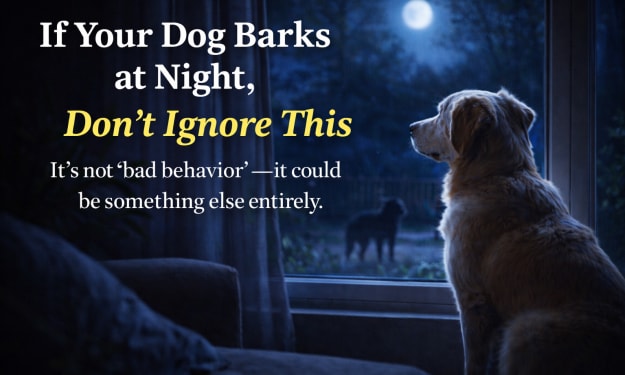
If your dog barks at night, don’t ignore it.
Night falls, and with it, silence—at least for most of the house. But for many dog owners, the silence is short-lived. Somewhere between the ticking of the clock and the rustling of the leaves outside, the barking begins. Loud, incessant, and often unexpected.
By Paw Planet a day ago in Petlife
Autonomy Is The Real Privilege
Good morning, freedom-seekers! Today we’re gonna be looking at autonomy. A strange word, I know; one many would probably look at blankly and run away from on sight. We’re gonna figure out what it actually means, consider how it’s achieved, and decipher just how deeply most of us are tangled up in dependence without realising it.
By That ‘Freedom’ Guy6 days ago in Humans



Comments
There are no comments for this story
Be the first to respond and start the conversation.