
Which Type of Shampoo Is Best for Dogs?
Reda this blog to know - Which Type of Shampoo Is Best for Dogs?

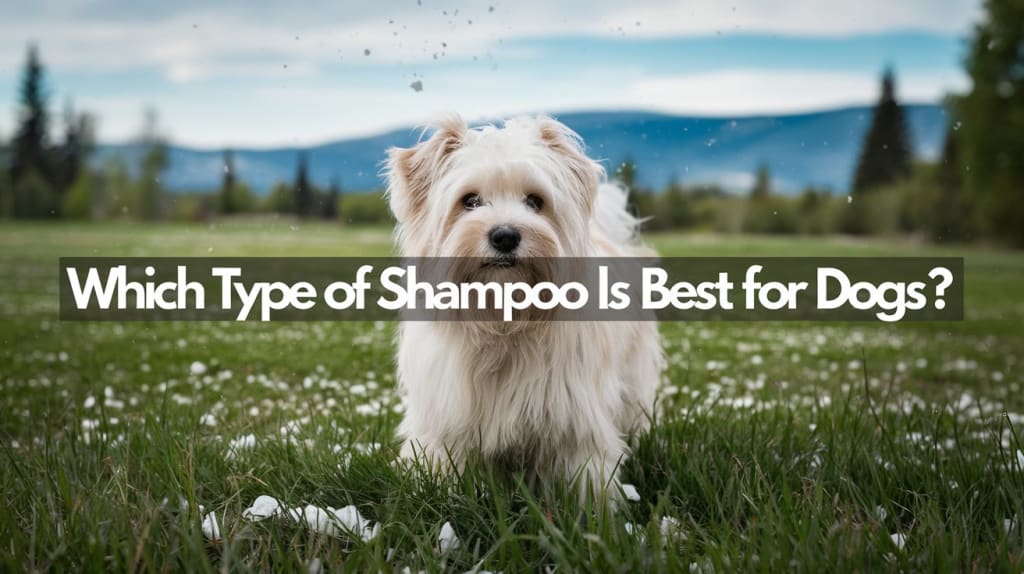
When it comes to keeping your dog clean and fresh, choosing the right shampoo is more important than you might think. A dog’s skin and coat are different from ours, and using the wrong type of shampoo can lead to dryness, irritation, or even more serious skin conditions. With a wide range of dog shampoos available in the market, it can be tricky to know which one suits your furry friend best.
In this blog, we’ll walk you through the different types of dog shampoos, what they’re designed for, and how to choose the right one based on your dog's coat type, skin condition, and specific needs.
🐾 Why Can’t Dogs Use Human Shampoo?
Before diving into dog shampoo varieties, it’s important to understand why human shampoo isn’t suitable for dogs. Dogs have a different skin pH balance than humans. Human shampoos are typically formulated for a more acidic pH, while dogs require a more neutral to slightly alkaline formula. Using human products can disrupt your dog's skin barrier, leading to irritation, itchiness, and infections.
🐕 Types of Dog Shampoos & Their Benefits
Let’s take a look at the most common types of dog shampoo and their specific purposes:
1️⃣ General Purpose Dog Shampoos
These are everyday shampoos designed for routine bathing. They cleanse the coat and skin without stripping natural oils. Ideal for dogs with normal skin and no existing skin issues.
Best for: Regular grooming, all dog breeds with normal skin.
2️⃣ Medicated Shampoos
Formulated with active ingredients to treat skin conditions such as dermatitis, fungal infections, seborrhea, mange, or allergies.
Key ingredients: Chlorhexidine, miconazole, benzoyl peroxide, coal tar.
Best for: Dogs with diagnosed skin problems (always consult your vet before use).
3️⃣ Hypoallergenic Shampoos
Gentle, fragrance-free, and made with mild ingredients, these shampoos are ideal for dogs with sensitive skin or allergies.
Best for: Dogs prone to skin irritation, itching, or allergic reactions.
4️⃣ Flea and Tick Shampoos
Infused with ingredients that help kill or repel fleas, ticks, and other parasites. Some offer immediate relief, while others provide residual protection.
Best for: Dogs prone to fleas and ticks, especially during warmer months or in parasite-prone areas.
5️⃣ Deodorising Shampoos
Specially formulated to neutralise bad odours, these shampoos are great for dogs that love rolling in smelly things or those with naturally strong body odour.
Best for: Active dogs, outdoor adventurers, or breeds prone to oily skin.
6️⃣ Puppy Shampoos
Made with extra-mild, tear-free, and soothing ingredients to suit delicate puppy skin and coats.
Best for: Puppies under 12 months.
7️⃣ Conditioning and Moisturising Shampoos
These shampoos help restore moisture to dry, flaky skin and smoothen coarse coats, making brushing easier.
Best for: Dogs with dry skin, long-haired or double-coated breeds.
8️⃣ Whitening Shampoos
Formulated to enhance and brighten white or light-coloured coats while removing stains.
Best for: White or light-coated breeds like Maltese, Bichon Frise, and Samoyeds.
🐶 How to Choose the Right Shampoo for Your Dog
Consider these factors before picking a shampoo for your pup:
Skin type: Is your dog's skin normal, dry, oily, sensitive, or allergy-prone?
Coat type: Is your dog short-haired, long-haired, double-coated, or wire-haired?
Any existing skin conditions: Consult your vet if your dog has skin issues.
Age of your dog: Puppies need gentle, tear-free formulas.
Lifestyle: Active outdoor dogs may need deodorising or flea & tick shampoos.
🧼 Tips for Bathing Your Dog
Brush before bathing to remove loose hair and mats.
Use lukewarm water — neither too hot nor too cold.
Dilute the shampoo if recommended, for even application.
Avoid eyes and ears while shampooing.
Rinse thoroughly to prevent residue build-up.
Dry your dog properly to prevent dampness-related issues.
🐾 Final Thoughts
Choosing the right shampoo for your dog isn't just about keeping them clean — it's about maintaining healthy skin and a lustrous coat while preventing discomfort and skin issues. Always pay attention to your dog’s individual needs and consult your veterinarian if you’re unsure about the best option for your pet.
A well-chosen dog shampoo can make bath time a pleasant and beneficial experience for both you and your pup!
📌 FAQs
Q: How often should I bathe my dog?
A: Generally, once every 4-6 weeks for most breeds. Dogs with skin conditions or specific lifestyles may need more frequent or less frequent baths.
Q: Can I use baby shampoo on my dog?
A: While some mild baby shampoos are less harsh, it’s best to use a shampoo specifically formulated for dogs to maintain their skin’s natural balance.
Q: What should I do if my dog has an allergic reaction to a shampoo?
A: Rinse thoroughly with clean water and consult your veterinarian immediately.
About the Creator
Thomas Muller
VetSupply is a leading online pet store in Australia with a comprehensive range of products that cater to all your pet care needs.
Keep reading
More stories from Thomas Muller and writers in Petlife and other communities.
What is the Best Treatment for Ticks on Dogs?
Ticks are tiny, but the problems they bring? Massive. If your furry friend loves romping through the grass or chilling in the backyard, they could be ticking time bombs (pun intended!). So, what's the best tick treatment for dogs? Let's dive deep and find out!
By Thomas Muller11 months ago in Petlife
Off the Leash: The Essential Gear Guide for Adventurous Dogs
There’s something wildly freeing about unclipping the leash and letting your dog move the way they were built to. If you’re hiking in areas that truly allow off-lead exploration, your gear list shifts. No harness. No leash dragging through dust. Instead, it’s about smart, lightweight essentials that keep your dog safe, hydrated, and easy to manage when adventure gets messy. Long walks off lead are less about control and more about preparation.
By Shabbir Ahmad4 days ago in Petlife
My First Time Skiing and I Got Lost, Alone, in the French Alps
Looking back, I can trace some of my life’s biggest adventures to a simple action from my sister. She’d introduced me to Tommy (a very long time ago), a colleague of hers, who had overshared his penchant for Italian-looking women, and I ticked that box.
By Chantal Christie Weissabout 2 hours ago in Humans



Comments
There are no comments for this story
Be the first to respond and start the conversation.