
What is the Best Treatment for Ticks on Dogs?
Read this blog to know - What is the Best Treatment for Ticks on Dogs?

Ticks are tiny, but the problems they bring? Massive. If your furry friend loves romping through the grass or chilling in the backyard, they could be ticking time bombs (pun intended!). So, what's the best tick treatment for dogs? Let's dive deep and find out!
Understanding Ticks and Their Risks
What Are Ticks?
Ticks are blood-sucking parasites that latch onto your dog's skin. They aren’t insects — they’re actually arachnids, like spiders. Creepy, right?
Why Are Ticks Dangerous for Dogs?
Ticks can spread nasty diseases like Lyme disease, Ehrlichiosis, and Rocky Mountain spotted fever. Plus, they can cause anemia in serious infestations. Bottom line: you don't want these hitchhikers anywhere near your dog.
Signs Your Dog Might Have Ticks
Not sure if ticks are already making themselves at home? Watch for:
Excessive scratching
Lethargy
Inflamed skin
Tiny lumps you can feel while petting
Visible ticks (yep, sometimes you can spot them)
Why Flea and Tick Control is Crucial
Flea tick control for dogs isn’t just about comfort — it’s about health and safety. Without proper protection, your pup could end up seriously ill, and some tick-borne illnesses can even be fatal.
Key Factors to Consider Before Choosing a Tick Treatment
Your Dog’s Age and Size
Puppies and toy breeds often need different dosages or formulations compared to adult dogs or large breeds.
Health Conditions to Watch For
If your dog has underlying health issues, not every flea tick medicine for dogs will be safe. Always check with your vet if you're unsure.
Lifestyle Factors (Indoor vs Outdoor Dogs)
Outdoor explorers usually need stronger or more frequent flea and tick control than couch potatoes.
Types of Tick Treatments for Dogs
Spot-On Solutions
These are liquid treatments you apply directly to the skin, typically between the shoulder blades. Super convenient and effective!
Oral Medications
Tasty chewables that kill ticks from the inside out. Dogs love them because they think they're treats.
Tick Collars
Long-lasting collars that release chemicals to kill and repel ticks. Perfect for lazy pet parents who want set-and-forget protection.
Sprays and Powders
Great for immediate, short-term protection, especially before hikes or trips to tick-infested areas.
Shampoos
Tick-killing shampoos can be an extra layer of protection, especially if your dog already has a few unwanted guests.
Best Ingredients to Look for in Flea Tick Medicine for Dogs
When shopping, check for:
Fipronil – Kills adult fleas and ticks.
Permethrin – Effective but only safe for dogs (toxic to cats!).
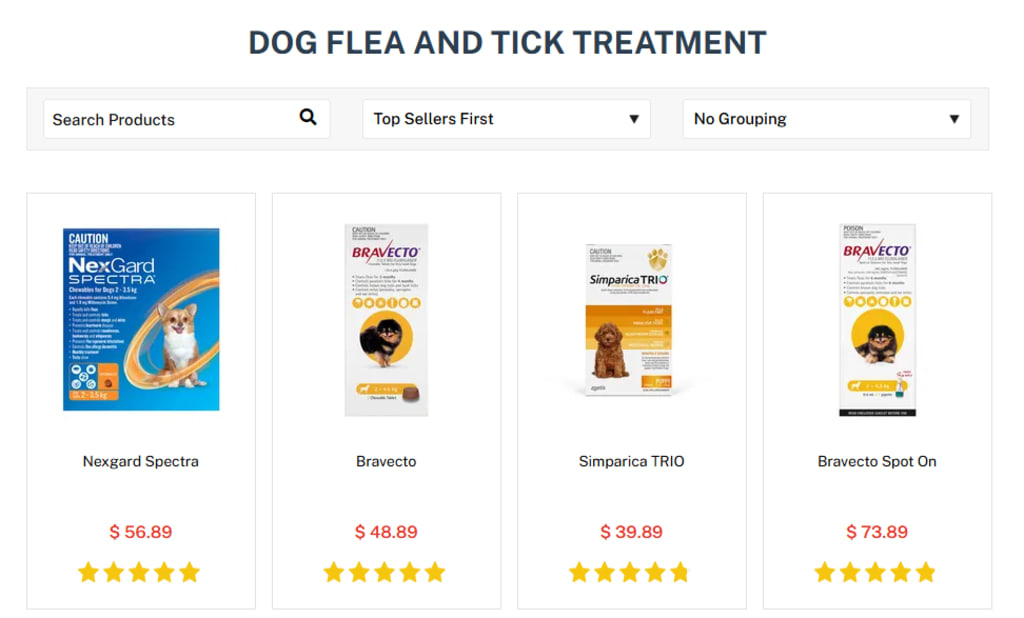
Afoxolaner – A powerhouse ingredient found in NexGard.
Fluralaner – Found in Bravecto, lasts up to 12 weeks.
How to Properly Apply Tick Treatments
Follow the instructions to the letter. Missing a dose or incorrectly applying a product can leave your dog exposed. Pro tip: set reminders on your phone!
Natural Tick Remedies: Are They Effective?
While natural treatments like essential oils can help repel ticks, they usually don't kill them. Think of them as a bodyguard, not an assassin.
Preventive Measures for Flea and Tick Control in Dogs
Regular grooming and tick checks
Keeping your lawn trimmed
Using year-round tick treatments
Washing your dog’s bedding regularly
Common Mistakes to Avoid During Tick Treatment
Using dog products on cats (some ingredients are deadly to felines)
Skipping monthly treatments
Thinking winter means you're off the hook (ticks can survive chilly temps)
Not checking your dog after hikes or outdoor play
When to Consult a Veterinarian
If your dog has a heavy infestation, is acting lethargic, or develops strange symptoms, don’t guess — get a professional opinion ASAP.
Conclusion
When it comes to flea tick control dogs need, there’s no one-size-fits-all. Whether you choose a spot-on, a collar, or a tasty chewable like NexGard, consistency is key. Protect your pup year-round, check them regularly, and don’t let ticks ruin your adventures together. After all, a tick-free dog is a happy dog!
FAQs
1. How often should I treat my dog for ticks?
Most treatments are monthly, but some like Bravecto last up to 12 weeks. Always check the label!
2. Can I use multiple flea and tick treatments at once?
It’s best to stick to one unless your vet specifically recommends otherwise.
3. Are natural tick treatments as effective as chemical ones?
They can help repel but aren’t reliable for killing ticks during an infestation.
4. What should I do if I find a tick on my dog?
Remove it carefully with tweezers or a tick removal tool, and disinfect the area.
5. Can ticks cause long-term health issues in dogs?
Yes! Diseases like Lyme can cause ongoing health problems if not caught and treated early.
About the Creator
Thomas Muller
VetSupply is a leading online pet store in Australia with a comprehensive range of products that cater to all your pet care needs.
Keep reading
More stories from Thomas Muller and writers in Petlife and other communities.
What is the Most Effective Wormer for Cats?
When it comes to keeping your feline friend healthy, worming isn’t just important—it’s essential. But with so many options out there, you might be wondering, what is the most effective wormer for cats? Let’s dig deep into the world of wormers and find the best fit for your kitty!
By Thomas Muller9 months ago in Petlife
A Dart at Dusk
Seconds ago, the sullen sun set on the two of us… my exuberant furry companion and me. A fresh breeze embraces us, delivering welcome relief from the day’s oppressive heat. His typical stumbling and staggering along — apace with a sloth — has turned into trip-trapping, high-stepping, almost skipping along.
By Angie the Archivist 📚🪶4 days ago in Petlife



Comments
There are no comments for this story
Be the first to respond and start the conversation.