
What is the Best Treatment for Heartworms in Dogs?
Read this blog to know - What is the Best Treatment for Heartworms in Dogs?

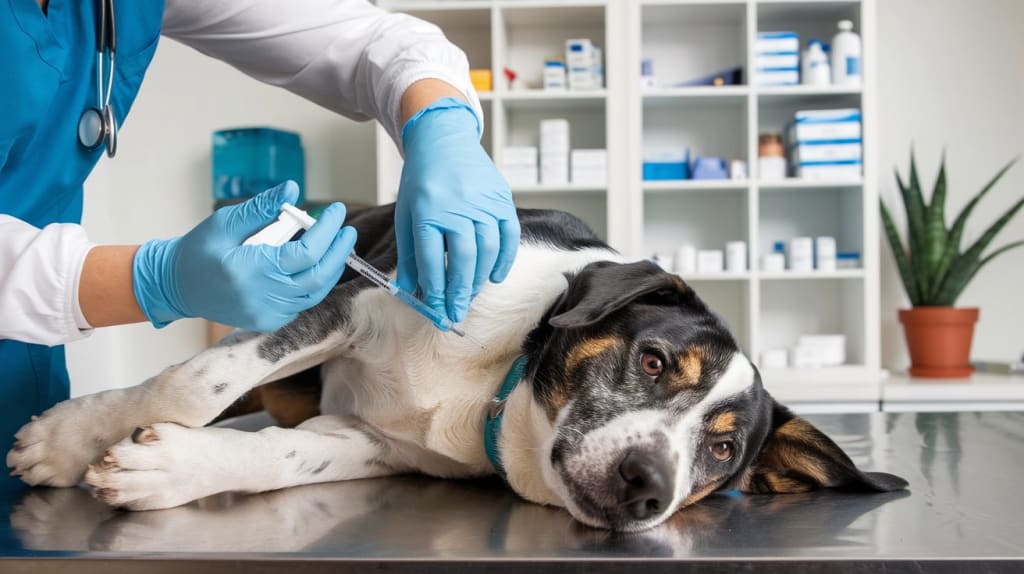
Heartworm disease is no joke—it’s one of those sneaky, silent threats that can seriously harm or even kill your dog if left untreated. Caused by parasitic worms living in the heart and lungs, this disease can be life-threatening. But here's the good news: it's treatable, and even better—preventable.
So, what is the best treatment for heartworms in dogs? Let’s dive in, paw first.
Understanding Heartworm Disease
How Dogs Get Heartworms
It all starts with a mosquito bite. When an infected mosquito bites your dog, it transmits heartworm larvae into their bloodstream. Over the next six months, those larvae mature into adult worms and settle into the heart, lungs, and blood vessels.
Life Cycle of Heartworms
Here’s a quick breakdown:
Infected mosquito bites your dog.
Larvae migrate through the bloodstream.
Worms mature in the heart and lungs.
Adult worms reproduce—bad news multiplies.
More mosquitoes spread the infection to other dogs.
Early vs. Advanced Heartworm Disease
In the early stages, heartworms don’t always show signs. But as the disease progresses, it gets worse—dogs can suffer from heart failure, organ damage, and even death if not treated.
Symptoms of Heartworm in Dogs
Physical Signs to Look For
Persistent cough
Lethargy
Weight loss
Difficulty breathing
Swollen belly from fluid buildup
Behavioral Changes
Dogs might be less interested in walks, reluctant to play, or seem more tired than usual.
When to Visit the Vet
If you notice any of the above signs—don’t wait. Early detection makes treatment more manageable and affordable.
Diagnosing Heartworm in Dogs
Common Diagnostic Tests
Antigen test: Detects adult female heartworms.
Microfilariae test: Looks for larvae in the blood.
Chest X-rays and ultrasounds: Check for heart and lung damage.
How Early Detection Helps
The sooner you catch heartworm, the better your dog’s chances. Mild infections have higher treatment success and fewer side effects. Order heartworm tablets for dogs!
The Best Treatment Options for Heartworms
Melarsomine Injections (Immiticide)
This is the gold standard. It directly targets and kills adult heartworms with a series of deep muscle injections over several weeks.
Doxycycline and Steroid Therapy
Before killing the worms, vets usually prescribe antibiotics (like doxycycline) and steroids to reduce inflammation and kill the bacteria that live inside heartworms.
Supportive Care During Treatment
This might include:
Fluids
Heart medications
Pain relief
All customized based on your dog's condition.
Melarsomine Dihydrochloride: The Gold Standard
How It Works
Melarsomine targets adult worms directly and kills them off. Your vet gives it through a series of injections, spaced out over a month or more.
Treatment Schedule
1 initial injection
Followed by 2 more injections 24 hours apart after 30 days
Expected Outcomes
Most dogs recover fully with proper treatment and care. The key is strict rest during the treatment window to avoid complications.
Alternative Heartworm Treatments
Slow-Kill Method
Some owners opt for a monthly heartworm preventative and antibiotics over a long period (12+ months). It’s cheaper but slower and riskier.
Risks and Limitations
Prolonged infection
Possible lung damage
Risk of sudden worm death causing embolism
What to Expect During Heartworm Treatment
Vet-Supervised Plan
Treatment is customized by your vet and involves multiple vet visits, injections, and checkups.
Duration and Restrictions
You’re looking at 2-3 months minimum for full treatment. Your dog must avoid exercise during this time to prevent heart or lung complications.
Possible Side Effects
Swelling at the injection site
Coughing
Lack of appetite
Fever or depression
Cost of Heartworm Treatment
Typical Costs
Treatment can cost anywhere between $500 to $1,500, depending on severity and size of your dog.
Insurance and Financial Assistance
Some pet insurance plans cover heartworm treatment. You can also check with local shelters or rescue groups for assistance programs.
Recovery After Heartworm Treatment
Activity Restriction
Your dog must stay calm and quiet—think of it as bed rest for dogs. Avoid walks, running, or anything strenuous.
Monitoring Progress
Your vet will schedule follow-up visits and blood tests to ensure the worms are gone.
Post-Treatment Testing
Usually done 6 months after treatment to confirm all worms are gone.
Preventing Heartworms in the First Place
Monthly Preventatives
This is a must. Monthly chews, tablets, or topical treatments kill larvae before they can cause harm.
Natural Remedies: Do They Work?
There’s no proven natural remedy for heartworm prevention. Stick to vet-approved meds.
Year-Round Protection
Yes—even during winter. Mosquitoes can survive indoors or reappear early, so keep your guard up year-round.
Popular Heartworm Preventative Medications
Heartgard
A tasty beef-flavored chew that dogs love and owners trust.
NexGard Spectra
Protects against heartworms, fleas, ticks, and more in one chewable.
Revolution Plus
A topical treatment that also tackles fleas, ticks, and intestinal worms.
Can Heartworms Come Back?
Re-Infection Risks
Yes—if you stop giving monthly preventatives or skip doses, your dog can get infected again.
Staying Consistent with Prevention
Set reminders or use an app. Consistency is key to avoiding another costly treatment cycle.
Conclusion
Heartworm disease is serious, but it’s not a death sentence. With early detection, vet-approved treatment, and a whole lot of love and rest, your dog can bounce back. And let’s not forget—prevention is way easier, cheaper, and safer than treatment. So if you’re not already using monthly preventatives, now’s the time to start!
FAQs
1. Can a dog fully recover from heartworms?
Yes, most dogs recover fully if treated early and managed carefully throughout the process.
2. How long does heartworm treatment take?
Typically 2–3 months for the full treatment and up to 6 months for complete recovery.
3. Is heartworm treatment painful for dogs?
There may be some discomfort at injection sites and general lethargy, but vets manage it with supportive care.
4. Can I treat heartworms at home?
No. Heartworm treatment requires vet-supervised injections and follow-up care.
5. How often should my dog be tested for heartworms?
Once a year—even if they’re on preventatives. Early detection is key!
About the Creator
Thomas Muller
VetSupply is a leading online pet store in Australia with a comprehensive range of products that cater to all your pet care needs.
Keep reading
More stories from Thomas Muller and writers in Petlife and other communities.
Which Type of Shampoo Is Best for Dogs?
When it comes to keeping your dog clean and fresh, choosing the right shampoo is more important than you might think. A dog’s skin and coat are different from ours, and using the wrong type of shampoo can lead to dryness, irritation, or even more serious skin conditions. With a wide range of dog shampoos available in the market, it can be tricky to know which one suits your furry friend best.
By Thomas Muller9 months ago in Petlife
A Dart at Dusk
Seconds ago, the sullen sun set on the two of us… my exuberant furry companion and me. A fresh breeze embraces us, delivering welcome relief from the day’s oppressive heat. His typical stumbling and staggering along — apace with a sloth — has turned into trip-trapping, high-stepping, almost skipping along.
By Angie the Archivist 📚🪶6 days ago in Petlife
A Shocking Fact: Puppies Learn Love Before Rules
Why Puppies Bond With You Emotionally First—and Obey Second --- It happens in an instant. A tiny ball of fur stumbles into your life, tripping over its own paws, eyes wide, tongue lolling. You laugh, scoop it up, and suddenly feel a rush of affection that seems almost primal. But here’s the shocking truth scientists have uncovered: before your puppy learns “sit” or “stay,” it already knows how to love you.
By Ahmed aldeabella4 days ago in Petlife
The Devil's Cut
“Comrade, finally you’re awake.” The voice was smooth, sensual. A flickering incandescent bar was all that lit the white, sterile room. All Vladimir remembered was everything going black. He tried to move his arms and found them strapped to the gurney.
By Matthew J. Fromm5 days ago in Fiction


Comments
There are no comments for this story
Be the first to respond and start the conversation.