
What Is A Psychiatric Service Dog, And Who Can They Help?
A Psychiatric Service Dog (PSD) is a highly trained dog that helps individuals with mental health conditions by performing specific tasks to improve their daily life and well-being.

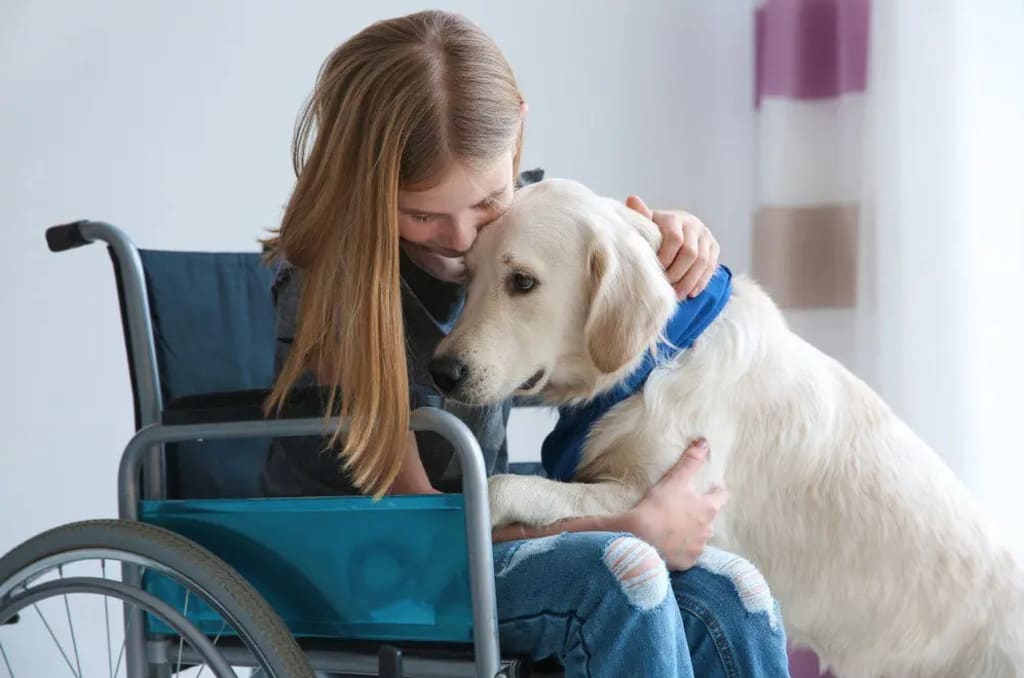
For individuals navigating the process of mental health treatment and accommodations, especially in the U.S., many have heard of an emotional support dog letter. However, there's another category of assistance animal that plays a much more specific and powerful role in mental health care: the Psychiatric Service Dog (PSD). These dogs are not just pets or companions—they're highly trained animals capable of performing tasks that directly help with psychiatric disabilities.
Understanding Psychiatric Service Dogs:
A psychiatric service dog (PSD) is not just a pet. It’s a working dog specially trained to perform specific tasks directly related to a person’s psychiatric disability. Unlike therapy dogs or emotional support animals (ESAs), psychiatric service dogs receive extensive training to help mitigate symptoms of mental illnesses.
Under the Americans with Disabilities Act (ADA), PSDs have the same legal protections as other service dogs (like guide dogs for the visually impaired). This means they’re allowed in places where pets and even ESAs may be barred, including:
- Restaurants
- Stores
- Airplanes
- Workplaces (in many situations)
A PSD’s job is directly connected to its handler’s disability. They are legally recognized as medical assistance devices in furry form.
How Psychiatric Service Dogs Are Trained
The remarkable part about psychiatric service dogs is how specialized their training is. Training can last 6 months to 2 years or more, depending on the tasks the dog must perform and the handler’s needs.
Types of Tasks
Here are examples of specific tasks a PSD might be trained for:
- Grounding During Panic Attacks: Dogs can nudge or paw at the handler to bring them back to the present moment, helping reduce dissociation.
- Waking from Nightmares or Night Terrors: Many with PTSD benefit from dogs trained to wake them during distressing dreams.
- Medication Reminders: Some PSDs are trained to alert their handler when it’s time to take medication.
- Interrupting Self-Harm Behaviors: Dogs can recognize the onset of repetitive or harmful behaviors and intervene by physically interrupting the action.
- Guiding to Safety During Disorientation: If a handler becomes disoriented due to anxiety, dissociation, or flashbacks, the dog can help guide them to a safe place.
- Creating Physical Space in Crowds: PSDs can position themselves between the handler and others, helping ease anxiety in crowded areas.
- Alerting to Anxiety Symptoms: Trained dogs can sense physiological changes (such as increased heart rate or sweating) and alert their handler before a panic attack becomes overwhelming.
Psychiatric Service Dogs vs. Emotional Support Animals
Many people mistakenly think emotional support animals (ESAs) and psychiatric service dogs are the same. They are not.
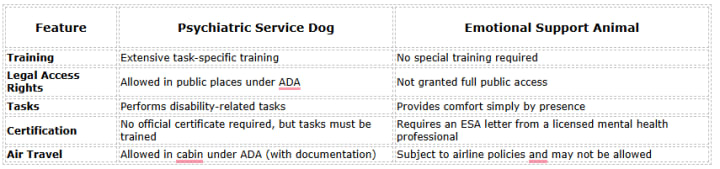
The key distinction: A PSD performs trained tasks. An ESA does not.
Who Can Benefit From a Psychiatric Service Dog?
Psychiatric service dogs can support a wide range of individuals living with mental health disorders. Some common conditions that may qualify include:
1. Post-Traumatic Stress Disorder (PTSD)
People with PTSD, especially veterans or trauma survivors, often face flashbacks, anxiety attacks, and sleep disturbances. A PSD can intervene during panic episodes, wake their handler from nightmares, or provide security in public.
2. Major Depressive Disorder
For those dealing with severe depression, a PSD might remind them to take medication, encourage them to get out of bed, or perform a simple task to bring structure to their day.
3. Anxiety Disorders
This includes Generalized Anxiety Disorder (GAD), Panic Disorder, and Social Anxiety. Dogs can help by recognizing early signs of anxiety and nudging, licking, or leaning on the handler to provide grounding.
4. Bipolar Disorder
A PSD can help with emotional regulation, remind the person of routines during depressive episodes, or even detect behavioral changes during manic episodes.
5. Obsessive-Compulsive Disorder (OCD)
For individuals with OCD, dogs can interrupt compulsive behaviors or help reduce anxiety associated with intrusive thoughts.
6. Schizophrenia and Other Psychotic Disorders
Though more complex, some people with schizophrenia may benefit from PSDs trained to help distinguish between reality and hallucinations or to accompany them in public for emotional security.
Legal Rights for Psychiatric Service Dogs
Under federal law, psychiatric service dogs have the same protections as other service dogs. Here’s what that means:
Americans with Disabilities Act (ADA)
The ADA allows PSDs to accompany their handler in all public areas—restaurants, stores, government buildings, schools, and more. Businesses cannot ask for documentation or require the dog to demonstrate its tasks, but they can ask two questions:
- Is the dog a service animal required because of a disability?
- What work or task has the dog been trained to perform?
Fair Housing Act (FHA)
Tenants with psychiatric service dogs are entitled to housing—even in pet-free apartments—without being charged pet fees.
Air Carrier Access Act (ACAA)
Airlines must allow psychiatric service dogs to fly in the cabin with their handler as long as the proper documentation is submitted in advance.
Getting a Psychiatric Service Dog: What You Need to Know
Do You Qualify for a PSD?
Not everyone who feels anxious or sad gets an emotional support animal or a psychiatric service dog. Legally, you must:
- Have a mental health disability recognized under the ADA
- Need a trained dog to perform tasks to mitigate your condition
Working with Professionals
If you’re considering a PSD:
- Talk to your psychiatrist, psychologist, or licensed therapist.
- Get documentation of your disability if you plan to request housing accommodations or travel with your PSD.
Note: There’s no official registry or certification for psychiatric service dogs in the U.S. Companies selling “service dog certificates” online are often scams. What matters is task training related to your disability.
Owner Training vs. Professional Training
Some people train their PSDs themselves (owner-training), while others work with professional trainers. Both are legal under the ADA, but professional programs ensure:
- Reliable obedience
- Public access manners
- Task specificity
Challenges of Owning a Psychiatric Service Dog
It’s not all cute photos and wagging tails. Owning a PSD brings serious responsibilities:
Time commitment: Training, exercise, and mental stimulation are daily needs.
Financial cost: Professional service dogs can cost $15,000-$50,000. Even owner-trained dogs come with expenses for veterinary care, gear, and ongoing training.
Public misconceptions: People often misunderstand service dogs, leading to awkward or confrontational situations.
Yet for many, the rewards far outweigh these challenges.
Conclusion
Psychiatric service dogs are remarkable animals who provide critical assistance for individuals with psychiatric disabilities. They offer not just companionship but lifesaving help through trained tasks, emotional support, and independence.
While an emotional support dog letter can secure housing rights for an ESA, a psychiatric service dog goes far beyond comfort, becoming an essential medical tool for those with serious mental health challenges.
If you—or someone you love—live with a psychiatric disability, exploring the possibility of a psychiatric service dog might be a step toward greater freedom, safety, and quality of life.
About the Creator
kevin booth
I focus on writing educational content that’s easy to read and practical. Sharing useful knowledge is what drives my work.
Keep reading
More stories from kevin booth and writers in Petlife and other communities.
How Can You Talk to Your Therapist About Getting an ESA Letter via RealESALetter.com?
Starting the conversation about emotional support with a licensed professional might feel overwhelming at first, but it doesn’t have to be. Whether you're managing anxiety, PTSD, or depression, an emotional support animal (ESA) can make a significant difference in your everyday life. If you’re considering this step, the good news is that platforms like RealESALetter.com simplify the entire process.
By kevin booth8 months ago in Petlife
Off the Leash: The Essential Gear Guide for Adventurous Dogs
There’s something wildly freeing about unclipping the leash and letting your dog move the way they were built to. If you’re hiking in areas that truly allow off-lead exploration, your gear list shifts. No harness. No leash dragging through dust. Instead, it’s about smart, lightweight essentials that keep your dog safe, hydrated, and easy to manage when adventure gets messy. Long walks off lead are less about control and more about preparation.
By Shabbir Ahmad7 days ago in Petlife
The Ones Left Behind:
Shelters overflow every week with wagging tails and hopeful eyes. The young ones—the puppies and kittens—disappear within hours, scooped up by families eager for a blank slate. The old ones stay behind. They wait days, then weeks, often in silent confusion, still listening for footsteps they recognize.
By Dr. Mozelle Martin6 days ago in Petlife




Comments
There are no comments for this story
Be the first to respond and start the conversation.