
What Causes Muscle Atrophy In Dogs?
Details at Vetiana.com

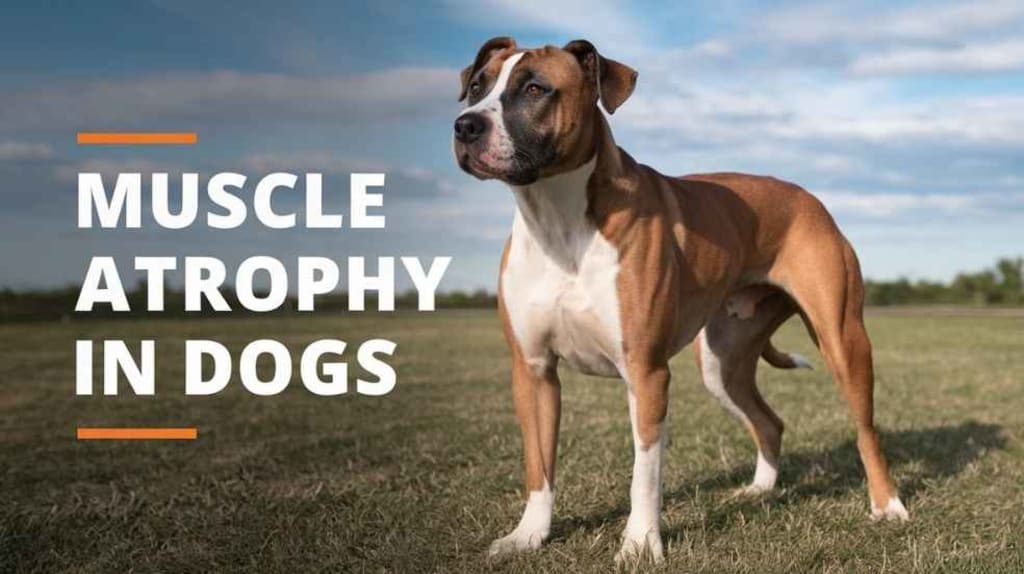
Muscle Atrophy in dogs is the gradual loss or wasting of tissues in dogs, often due to noticeable shrinkage or thinning of the muscles. It can be caused by ageing, illness, injury, or decreased physical activity.
The hind limbs are rarely but often affected, though this can occur in almost any other area of the body. This can have symptoms of difficulty moving, a weakness condition, and a loss of muscle mass, which can greatly compromise the activity mobility of dogs.
Causes
The following are the possible causes of muscle atrophy in dogs,
- Ageing
- Illness
- Injury
- Reduced physical activity
- Malnutrition
- Neurological disorders
- Hormonal imbalances
- Chronic diseases (e.g., arthritis)
- Genetic conditions
- Prolonged immobilization
The primary reasons are several in number and include advancing age, decreased exercise and metabolic changes. Diseases such as cancers or chronic infections trigger muscle atrophy among affected dogs due to either loss of appetite or loss of energy.
Injuries to the limbs or back may make a dog not use the affected part, hence loss of muscle from nonuse. Reduced use through confinement or due to lack of exercise causes muscles to weaken and shrink in size. Malnutrition caused by either a poor diet or digestive problems due to undiagnosed diseases deprives the body of various nutrients needed to build and maintain muscles.
Neurological disease such as degenerative myelopathy or intervertebral disc disease compromises nerve functions leading to a gradual interruption of normal brain-muscle communications which leads to progressive muscle weaknesses.
Hormonal imbalances such as hypothyroidism or Cushing’s disease compromise normal metabolic functions eventually leading to the wasting of muscles. Chronic diseases such as arthritis lead to pain and reduced mobility, hence the tendency of dogs to avoid full usage of selected muscles with consequent progressive weakening.
For instance, different breeds are more susceptible to muscle atrophy due to such genetic conditions as muscular dystrophy. Lastly, immobility for a long period following surgery or an overwhelming injury leads to extreme muscle atrophy since the muscles become weaker and lose mass due to lack of movement.
Each of these factors can cause extreme issues in terms of mobility and quality of life in a dog, making it essential to find and correct underlying causes of muscle atrophy.
Breeds that are most affected by muscle atrophy
Following are the breeds that are most affected by muscle atrophy,
- German Shepherd
- Boxer
- Pembroke Welsh Corgi
- Chesapeake Bay Retriever
- Rhodesian Ridgeback
- Bernese Mountain Dog
- Afghan Hound
- English Mastiff
- Irish Wolfhound
- Italian Greyhound
- Labrador Retriever
- Leonberger
- Miniature Schnauzer
- Neapolitan Mastiff
- Newfoundland dog
- Newfoundland
- Rottweiler
- St. Bernard
- Saint Bernard
- Golden Retriever
- Cavalier King Charles Spaniel
- Tibetan Terrier
- Norfolk Terrier
- Miniature Poodle
Symptoms
Muscle atrophy in dogs is always more or less concerning, but the key aspect is recognizing the symptoms early so that appropriate care can be given. Here are some common symptoms of muscle atrophy in dogs:
- Progressive rear limb weakness
- Weight loss
- Soft, weak, or flabby muscles
- Limping or paw dragging
- Unbalanced gait or loss of coordination
- Thinner, sunken muscles
- Difficulty in moving around
- Inability to stand or walk in severe cases
Many people have noticed the common noticeable symptoms shown by dogs affected by muscle atrophy: progressive rear limb weakness, which sometimes becomes very difficult for the dog to stand up, walk, and get up the stairs.
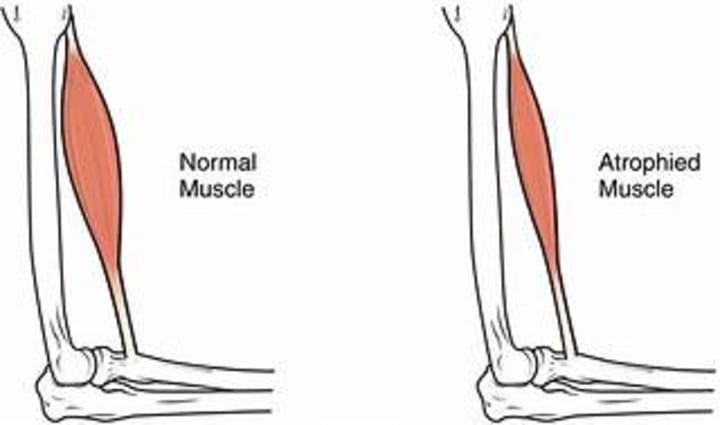
Also commonly seen as the muscles grow weak, they can be seen to appear soft, flabby, or even sunken and lead to a general loss of muscle mass.
These can come along with weight loss where the body begins breaking down muscular tissue meaning you might notice that your dog starts limping or dragging paws because the weakened muscles are unable to support normal movement. You might also observe an uneven gait or even loss of coordination, thus your dog appears unsteady on his feet.
Muscle atrophy can also lead to severe mobbing impairment, to an extent where your dog cannot move or walk; your dog’s limbs will appear narrower because of the affected area muscles that are thinner in extreme cases, your dog may show signs of pain or discomfort whenever he tries to move around.
This can be quite stressful to see, but early detection and a consultation with a veterinarian can put the condition into manageable levels and improve the quality of your dog’s life.
Treatment
The treatment of dog muscle atrophy is much more complex and includes the diminution of the underlying cause, improvement in the regeneration of muscles, and general mobility.
One of the widely embraced treatments would include physical therapy, which would include low-impact targeted exercises that can rebuild muscle mass and strength. These range from simple activities such as swimming or walking to highly specialized therapies such as an underwater treadmill or neuromuscular electrical stimulation.
Aquatic therapy is very helpful as it inflicts less stress on dog joints but still adds to strong muscle building. Regular physical exercise, according to the dog’s condition and capabilities is used in order not to allow further muscle loss and recovery.
Besides medical treatments such as physical therapy, there is also dietary management to handle the case of muscle atrophy. This involves feeding the dog a well-balanced diet that has high-quality proteins and all the necessary nutrients needed for muscle health.
Supplements such as Fortetropin® can enhance the amounts of lean muscle mass while helping with muscle recovery. Medication is also employed as an adjunct to control pain and inflammation should these compromise muscle function and promote atrophy.
Anti-inflammatory drugs or analgesics may help in allowing the easy participation of a dog in this physical therapy and daily life. A comfortable living environment with supportive bedding relieves pressure on the weakened muscles and joints.
Any treatment protocol must be adjusted appropriately. Early intervention with a comprehensive treatment program could potentially enable the enhancement of the quality of life that dogs with muscle atrophy may achieve. The best thing you could do if you suspect your dog to be affected by muscle atrophy is to seek early veterinary consultation.
About the Creator
Active Vibe
Get latest info about fitness, wellness, and health.
Keep reading
More stories from Active Vibe and writers in Petlife and other communities.
The Gourmet Grumble: Navigating Life with Dog Breeds That Are Picky Eaters
We’ve all seen the commercials: a happy Golden Retriever hears a kibble bag crinkle from three rooms away, skids across the hardwood floor, and inhales a bowl of dry food in approximately four seconds. It’s the universal image of canine appetite.
By MINNIE PEARL’S LIVER LEAVIN’Sa day ago in Petlife
Hottest in the Office
Dear Rafi, You’re very distracting to work around. For the first second I saw you the other day, I thought you were some type of executive. It took a moment to realize no, you were just the new guy, dressed up for the job he wants. Be still, my heart.
By Gabriel Shames5 days ago in Pride




Comments
There are no comments for this story
Be the first to respond and start the conversation.