
Canine Parvovirus Monoclonal Antibody Cost
Details at vetiana.com

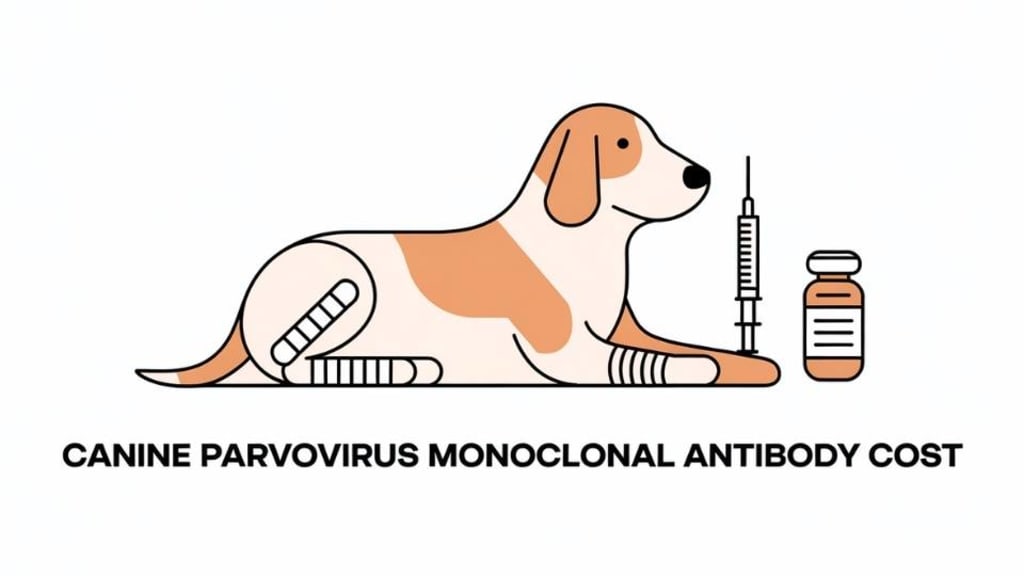
CPMA, or the canine parvovirus monoclonal antibodies, is a breakthrough in veterinary medicine in terms of a highly infectious and often fatal canine parvovirus called CPV.
CPMA is the first USDA-conditionally approved monoclonal antibody treatment for CPV, aimed to block or neutralize the virus by attaching to it so that it cannot penetrate the intestinal cells lining and destroy it. This treatment closely resembles the natural antibodies of a dog and offers a considerable degree of immunity to the virus.
Administered as a single intravenous injection, CPMA has been demonstrated to significantly reduce the level of clinical signs that include vomiting, lethargy, and decrease in appetite, and it may shorten recovery time. Additionally, CPMA appears to be well tolerated in dogs; minor adverse effects when observed are typically short and self-limiting.
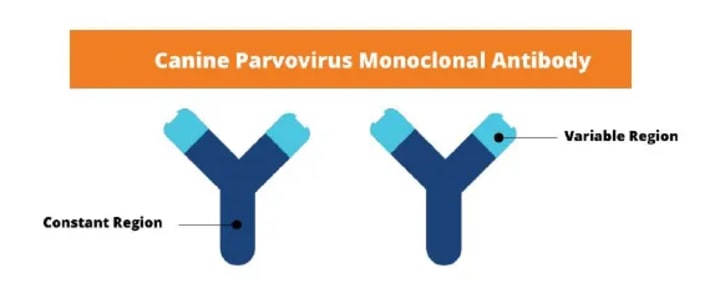
Thus, this new therapy seems to be a very promising potential treatment for CPV infections possibly reducing the burden of supportive care and emotional stress on pets and their owners.
Cost
CPMA may cost about $500 to $1,000 on average, depending on the veterinary clinic, location, and other treatments or services that might be necessary. To get an accurate estimate of the cost, always talk to your veterinarian about it.
What is canine parvovirus?
CPV is short for Canine Parvovirus. It’s a very infectious viral disease, which affects dogs mainly, especially puppies from the age of six weeks up to six months. The virus attacks fast-dividing cells; therefore, it mainly focuses on the gastrointestinal tract and the bone marrow.
Generally, infected dogs show such symptoms as severe vomiting, loss of appetite, lassitude, and bloody diarrhoea. These can severely cause dehydration and even result in death, given it has taken approximately 48–72 hours without any treatment.
The virus is spread through direct contact with an infected dog or indirect contact with contaminated objects, which include food bowls, leashes, and even the hands and clothing of people who have handled infected dogs. CPV is quite resistant, also surviving for an extended period in the environment, so disinfection is highly important to reduce its spread.
Indeed, the best prevention against CPV in dogs is through vaccination. Puppies are vaccinated in a series of 3–4 doses beginning at six weeks and are boosted every few weeks until the puppy reaches about 16 weeks of age. Unfortunately, Rottweilers, Doberman Pinschers, and German Shepherds, among many other breeds, may still succumb to severe disease.
Should you suspect your dog has contracted parvovirus, it is worthwhile to rush to the nearest vet clinic. If started early, the treatment often comes in rounds of numerous intensive care that can handle symptoms and prevent secondary infections from causing demise.
Treatment
The treatment process for canine parvovirus involves several essential steps to manage the symptoms, prevent secondary infection, and facilitate recovery in dogs. The treatment procedure is as follows:
1. Hospitalization and Isolation
The dog is immediately hospitalized, as the disease is fatal. Since the disease is highly contagious, hospitalization reduces the spread of the virus to other healthy dogs. It enables close monitoring and proper intensive care, thereby reducing the outbreak and enabling the direct attention of the infected dog.
2. Fluid Therapy
Fluid therapy is another critical treatment CPV requires. Dogs suffering from CPV generally are severely dehydrated because their vomiting and diarrhoea do not appear to let up. Fluids are administered intravenously to hydrate the dog and correct any electrolyte imbalance.
This therapy will help to maintain good blood pressure and the functioning of organs. Potassium and sodium are frequently added to the IV fluids to replace losses brought about by the disease.
3. Nutritional Support
Nutritional support is only important at this stage when the vomiting is within control. At this stage, an element of a bland diet or specific veterinary diets for gastrointestinal healing may be introduced.
In critically ill cases where the dog cannot feed on its own, supplemental feeding using feeding tubes is carried out. The dog’s immune function and the healing process will be enhanced in terms of proper nutrition.
4. Medication
Several drugs are given in the management of clinical signs of CPV, and the prevention of secondary bacterial infections. Antimetics including maropitant, Cerenia or ondansetron, are given to control vomiting and nausea.
Although it is a viral infection, it allows antibiotics for its administration; most commonly when secondary bacterial infections happen, mainly due to the immunocompromised state and erosion of the gut’s mucosal layer. Medications for pain are also administered to decrease abdominal pain.
5. Monitoring And Supportive Care
Regular monitoring of the dog’s vital signs, hydration status, and blood parameters is crucial to revise the treatment plan. Supportive care includes a clean environment, adequate warmth, and minimizing stress on the dog. That comprehensive care approach allows the stabilization of the dog while enhancing its recovery.
6. Home Care Post-Hospitalization
Continued care for the dog is always a necessity once he or she is stable enough to be brought home. The vet may still give the dog prescription drugs that would have to be continued at home. A special diet may be recommended to support recovery.
Important enough, regular follow-ups with the veterinarian are to be made to monitor the progress of the dog and make the needed adjustments to the treatment plan. That is how a dog continues to recover fully.
7. Preventive measures
Preventive measures should be undertaken to save the dogs from CPV. Proper vaccination is considered the best preventive mechanism, but puppies are vaccinated with a series of shots usually at six weeks of age. Therefore, all dogs should be vaccinated at the recommended schedule.
This infection also requires comprehensive hygiene and disinfection of the environment and all things that the infected dog had contact with to avoid the spread of the virus. They prevent other dogs from catching CPV.
If you are curious about your animals’ health, follow us. You can also leave your queries in the comment section below or contact us on our page.
About the Creator
Active Vibe
Get latest info about fitness, wellness, and health.
Keep reading
More stories from Active Vibe and writers in Petlife and other communities.
Can Dogs Eat: Olives, Bacon, Egg Shell, Papaya, Or Pizza
When it comes to our furry friends (dogs), making sure their diet is safe and nutritious is a top priority. With so many human foods potentially within reach, it’s essential to know which ones are safe for dogs and which should be avoided.
By Active Vibeabout a year ago in Petlife
The Gourmet Grumble: Navigating Life with Dog Breeds That Are Picky Eaters
We’ve all seen the commercials: a happy Golden Retriever hears a kibble bag crinkle from three rooms away, skids across the hardwood floor, and inhales a bowl of dry food in approximately four seconds. It’s the universal image of canine appetite.
By MINNIE PEARL’S LIVER LEAVIN’S2 days ago in Petlife




Comments
There are no comments for this story
Be the first to respond and start the conversation.